

Why Keir Starmer Just Resigned as UK Leader
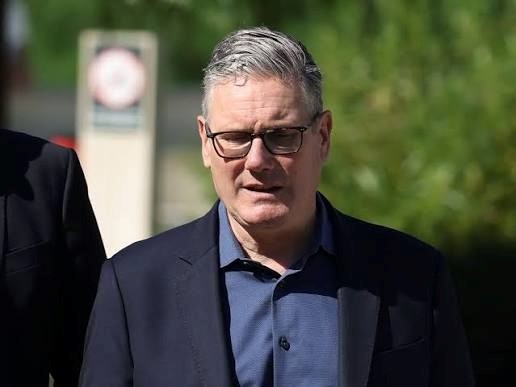
Prime Minister Keir Starmer took the leadership of the Labour Party to an electoral victory almost two years ago.
He is resigning from his position as Prime Minister and Labour Party leader. He will remain in office until somebody takes up the role. Prime Minister Keir Starmers resignation was as a result of continuous pressure mounted by the Labour MPs.
From Election Triumph to Resignation
When the Labour party won the 2024 election, many citizens were of the opinion that Starmer would help restore stability after years of conflict between the members of the conservative party. A large number of seats was won by Starmer’s party in parliament meaning that they were in power.
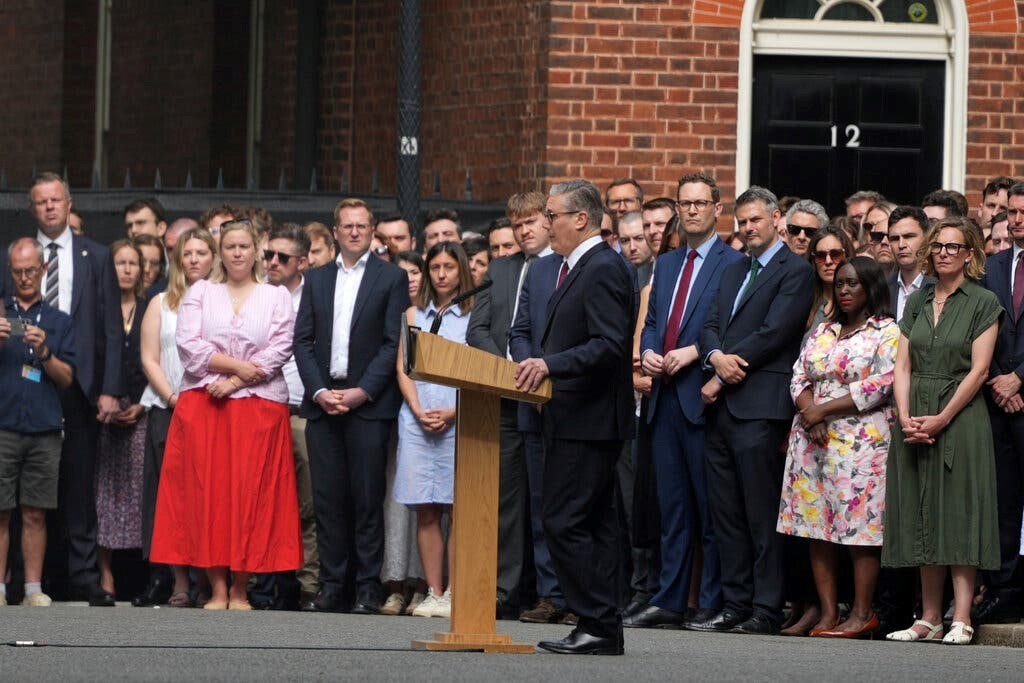
Starmer was expected to mark the beginning of a new era of stable governance. With the economy still under difficulties and improvement in public services lagging behind people started to get disappointed with Starmer. Now Starmer was being criticized by the citizens and even the members of his own party.
The Local Election Shock
2026 was a critical year for Labour due to the local elections. There were poor results for Labour in many parts of England and they were losing support in many areas which are crucial for their electoral success.
Local elections are considered to be a barometer of public sentiment and there were many people in Labour who saw poor performance in local elections as a signal of future troubles in the next election. Many people criticized the leadership of Starmer after the poor results for the party.
Mounting Pressure Inside Labour
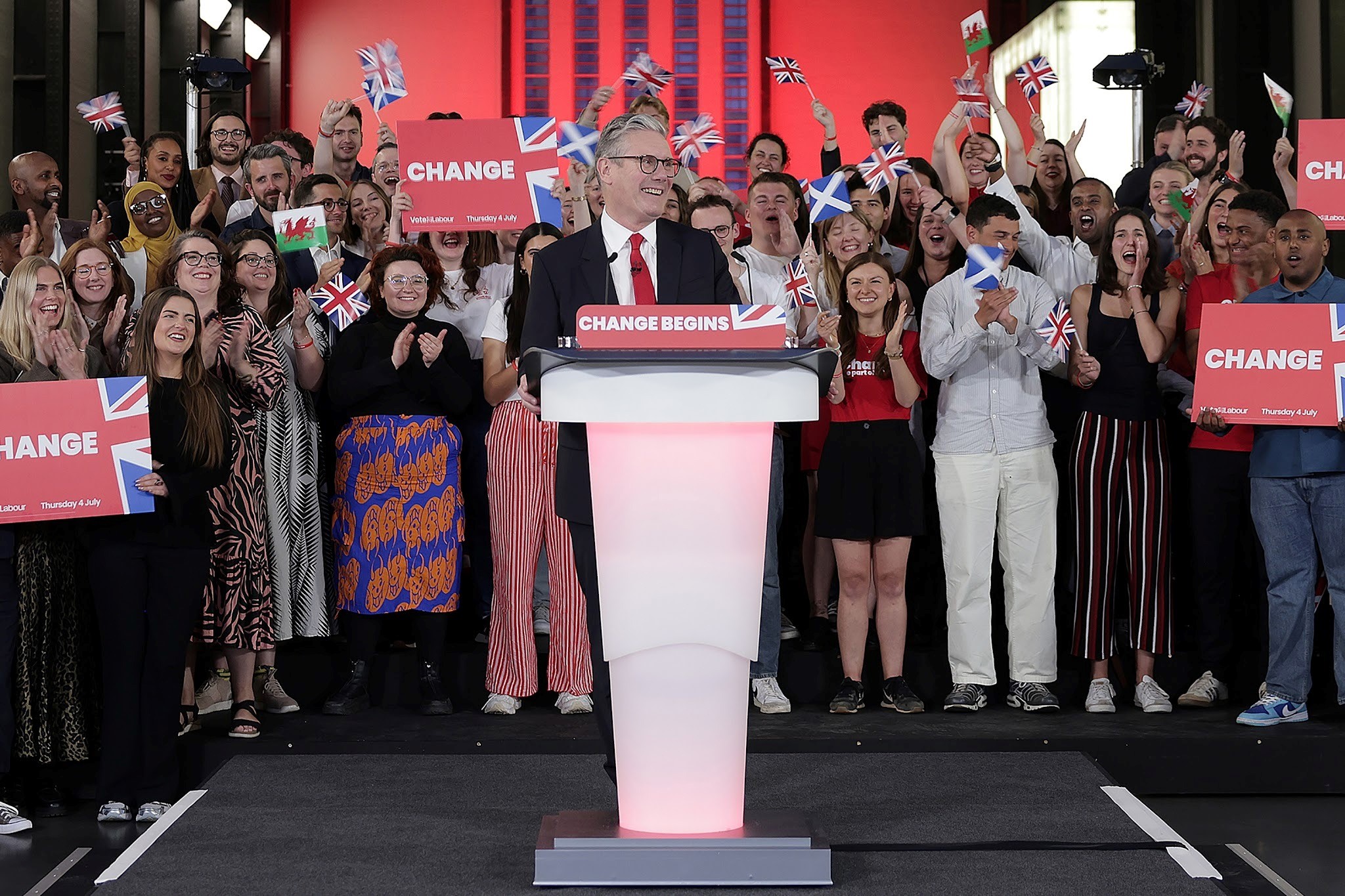
However, the Labour party was in power and Starmer was being attacked from within his party. Certain members of the parliament argued that the Labour party did not have a narrative or story to tell to its supporters on what they intended to achieve.
These MPs claimed that the Labour party kept shifting their stance on various issues without being able to effectively communicate with the electorate. With fewer and fewer people supporting the Labour party, people began arguing that the Labour party needed leaders and thus required a change in leadership.
Economic Challenges and Public Frustration
Similar to the case in Europe, Starmers government had to deal with a difficult economic environment. Inflation, housing and service pressures were some of the challenges. There was little economic growth.
The government worked to boost economic growth and control spending. It seemed like a lot of people did not think things were getting better. They were concerned about long waiting lines for healthcare, high cost of living and unemployment.
The Rise of Reform UK
The major development within politics in the last two years is the quick rise in the popularity of Reform UK, led by Nigel Farage. This political party is gaining followers, since they are tired of Labour or Conservatives.
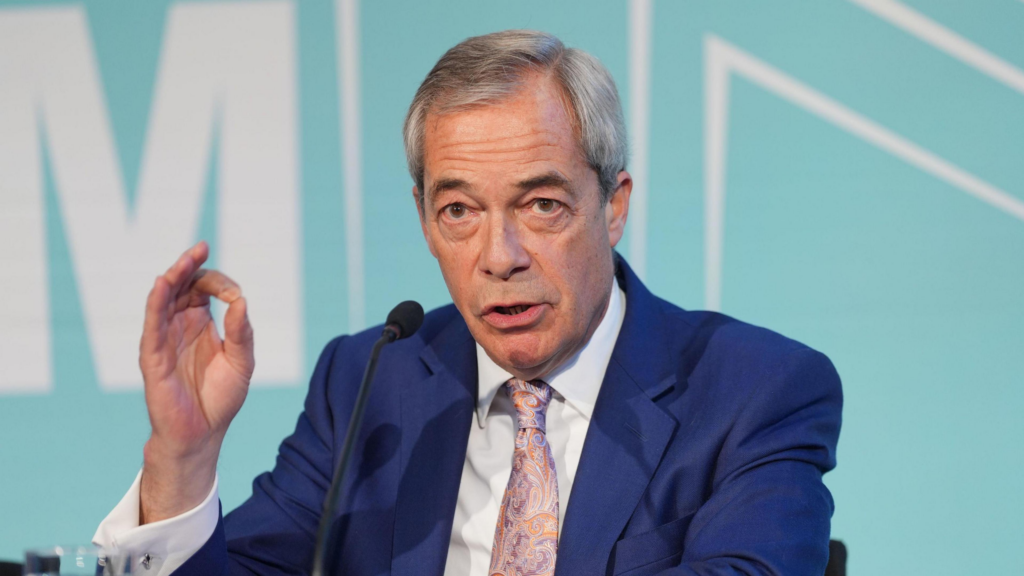
Many people are backing Reform UK now. It happens due to their frustration with how things are going concerning the issue of immigration, economic situation in general, and political system of the country. It is problematic for Labour, since they are losing their electorate to Nigel Farage and his party.
Brexit’s Long Political Shadow
It is evident that even a decade after the Brexit referendum, its impact on politics is still evident. The leaders of the country have had difficulties since 2016 due to Britain leaving the European Union.
This process changed the perception of politics among citizens, as well as their expectations from political parties, and increased debates regarding such topics as migration, trade policies and being British.
Seven Prime Ministers in Ten Years
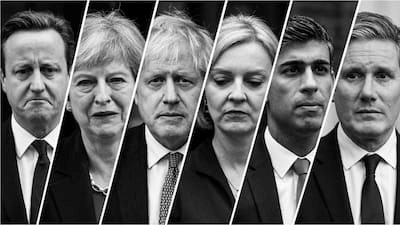
The UK will have its prime minister from 2016 onwards due to the fact that Starmer will step down from office. All this began when David Cameron resigned after the Brexit vote. Afterwards, Theresa May succeeded him but was forced to step down for failing to get her Brexit deal approved by the parliamentarians.
Then Boris Johnson assumed office as prime minister. He stepped down due to some problems that occurred in his cabinet. Finally, Liz Truss succeeded him in 2022. However, she stayed in power for a brief period due to her economic policies that destabilized the market. Rishi Sunak then succeeded the Conservatives party after which Labour won in 2024 making Starmer the new prime minister.
Who Will Replace Starmer?
Now, there are speculations regarding who will become the head of the Labour party. The most likely candidate for the position is Andy Burnham. Previously, he served as the Mayor of Greater Manchester.
Many Members of Parliament from the Labour party like Andy Burnham and believe that he will become the leader. Certain candidates who could have contested for the position have dropped out, and therefore, it is quite possible that Andy Burnham will become the leader without much opposition.
What Happens Next?
Starmer declared that he would continue to serve as prime minister until Labour completes the search for their new leader. This will be beneficial to the Labour party because they still have many more supporters within Parliament than other political parties.
Other political parties are already calling for a fresh prime minister to seek approval from voters on whether they want them to continue leading. This is a challenging period for Britain. The economy still faces many challenges, and at the same time, there are increasing numbers of political competitors and growing doubts among citizens about political institutions.
A Decade Defined by Instability
Keir Starmer turned out to be the next party leader. He claimed that everything would be calm in terms of politics after the wild events. Nevertheless, shortly afterwards, he resigned, thus increasing the chaos he was to deal with. Britain is now preparing to get its prime minister in ten years.

The next leader might be capable of bringing order into disorder. However, what we can say for sure is that Britain is facing a great many issues at the moment. The economy is doing poorly, public services cannot function properly, people are not confident about the government and the country is divided. In other words, Britain is going to start another chapter in its life while looking for stability.
Latest Posts