

The Rupees Record Fall & Golds Surge

Understanding the Factors Behind the Rupee's Plummet to 91.93
In January of this year, foreign portfolio investors withdrew ₹31,334 crore from India-based equities which has created a record amount of capital outflow due to heavy selling activity in January by FPIs. This capital outflow combined with heightened geopolitical tensions and the breakdown of current India-United States trade negotiations have created a stronger dollar leading to the weakest value of the rupee against the dollar as it reached a low intraday price of 91.99. Therefore, the value of the rupee has declined to 5% since January,2021. While also seeing an even greater decrease of 1.2% for the week marking the largest decrease in the past six months.
To combat this decreased value of the rupee, the RBI has already begun selling dollars and implementing dollar swaps to prevent one-way bets and have continued to implement aggressive strategies implemented as of the end of calendar year 2020.
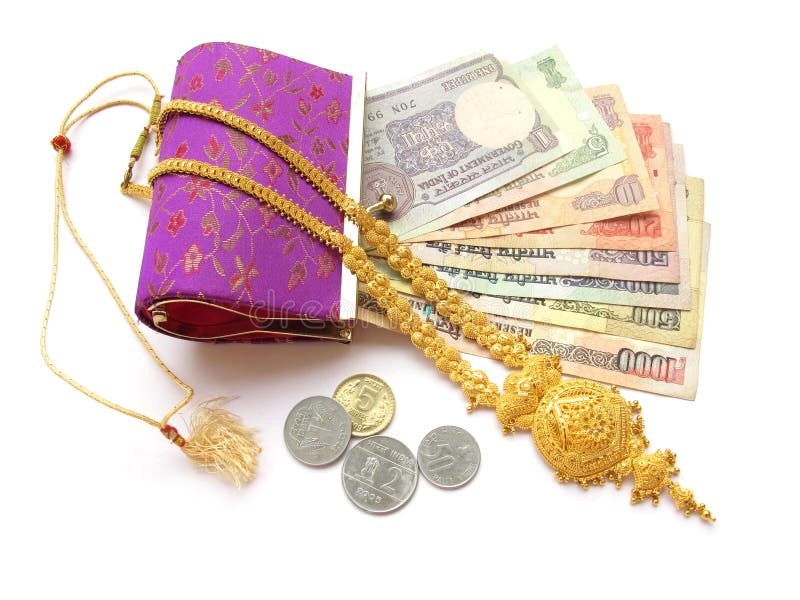
Gold has indeed seen great increases in value over the past month. Gold has shown an increase of 14.2% in just 23 days while silver has increased 42% due to not only the weakness of the US dollar, but also due to the easing of tension on a global scale as a result of a change in US policy.
In January, as per the highs for the last two weeks, Gold was priced from ₹14,300-14,700 per 10 grams therefore confirming bullish momentum in Gold. The rise in Gold prices has also provided a safe haven for many investors that were affected by the drop in value of the Stock Market. Gold was recently priced above ₹1,55,000 per 10 grams which has had huge returns for holders of Gold.
Effects on Indian Companies
The depreciation of the rupee causes an increase in the import costs of all oil, electronics, and drugs which are significant input costs for many businesses. The IT industry (dollar-based revenues) will benefit from lower costs, but the overall inflation risks will trickle down to consumers through the pass-through cost increases. The increases in Gold will create opportunities for Jewellers and Investors while at the same time creating increased pressure for manufacturers.
Textile Exporters and Gem Exporters could also experience increased demand, which could create an increase in demand for their products. However, continued declines in the value of the rupee will continue to decrease the confidence of investors and will cause an increase in the current account deficits. The Reserve Bank of India's foreign currency reserves are currently at levels where they are providing a cushion, but will need more varied inflows in order to not decrease to lower levels.
Decision of the Reserve Bank of India
RBI has decided to prioritize overall economic stability rather than a fixed exchange rate; it is therefore using currency swaps to inject liquidity into the Indian economy without depleting reserves. Reversals during the December 2025 period were a consequence of the RBI intervening in the markets. If levels above 92 are breached, more interventions can be expected. The Governor of the Reserve Bank of India has stated that the RBI must be vigilant regarding volatility management since global uncertainties are currently affecting financial markets, so rigid targets should not be used as a guiding principle.
There are potential reforms over the long-term that could lead to increased foreign remittances or Foreign Direct Investment (FDI) inflows, which could help reduce capital outflows. Businesses should therefore keep an eye on forward premiums and be aggressive in utilizing hedging strategies since the forward rate benchmark for the Indian Rupee indicates that sentiment is overwhelmingly negative towards the currency.
How can businesses navigate this turbulent time?
It is recommended that businesses diversify their revenue streams. Dollar earning businesses can hedge their exposure less aggressively than businesses that rely heavily on Rupee-denominated imports. Additionally, gold-linked investments can provide both an indirect hedge and a way to combine traditional investment strategies with enhanced protection of investment portfolios.
It is important to monitor Foreign Portfolio Investor (FPI) flows, as well as upcoming signals from the US Federal Reserve, the trade rhetoric coming from the Trump Administration presents uncertain challenges, but at the same time there is a silver lining in the fact that Rupee depreciation will likely prompt companies to re-locate their manufacturing operations back to India, which is in line with the Indian Government's goal of enhancing economic self-reliance.
Future Considerations
Analysis of currency (INR) against gold reflected the changing nature of capital flight and safe Haven demand for gold during this time period (January - February). Inflows and changes in policies will define business adaptability to market constraints.
The best opportunity for most companies will be taking corrective measures to avoid panic purchasing; staying informed will allow for timely decisions and creating strategic rebound opportunities.
Latest Posts