

White House Bars CNN, MS NOW and Politico Reporters From Press Access Amid Coverage Dispute
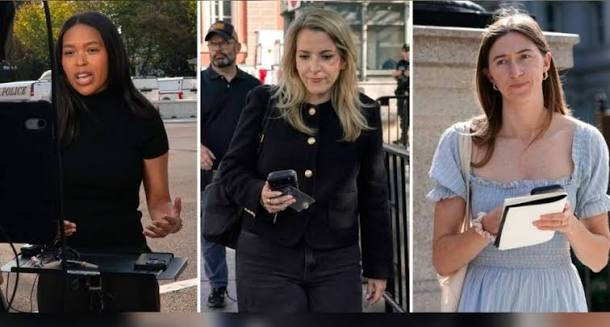
However on Saturday morning, three White House reporters discovered that their badges were now useless, and their entire access to the Whitehouse had been shut when routine badge scans flagged their badges and restricted them from entering the grounds, a decision that was made long before the Secret Service Agents could interfere and restrict their movement.
Table of Contents
1. What Happened
2. How the Ban Was Announced
3. Trump's Stated Reasoning
4. How the Outlets Responded
5. This Isn't the First Time
6. Precedent: What Happened With the AP
7. Where Things Stand Now
8. Conclusion
What Happened
On Saturday, September 19, reporters from CNN, MS NOW, and Politico reported for their routine shift at the White House but were unaware of President Trump’s announcement that had banned all three outlets. MS NOW reporter Akayla Gardner and a cameraman were stopped early in the morning before CNN's Betsy Klein and Politico's Cheyenne Haslett were denied access shortly after, with all three journalists having had their press passes confiscated or deactivated. While the reporters were swift in passing through the initial two security gates without an issue, the final checkpoint required them to scan their badges, a scan that resulted in a beep and confiscation of their passes before being escorted out by the Secret Service.
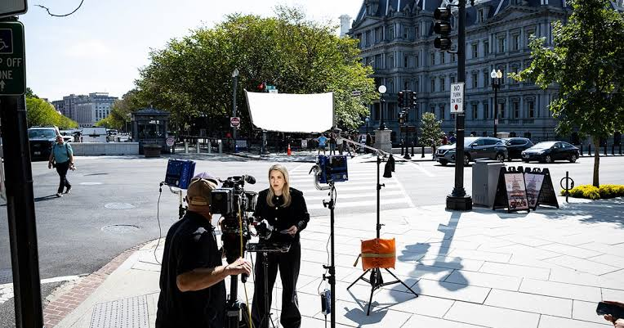
With their access restricted to the White House, both CNN and MS NOW were prompt in resuming their coverage from a corner of Pennsylvania Avenue and 17th Street, a location just across the White House entrance instead of being within the grounds as usual.
How the Ban Was Announced
Writing in a Friday Truth Social post, American President Trump had declared the ban a day prior, on Friday, announcing that he was banning CNN, MS NOW, and Politico access to the White House, mainly due to their constant reportings of Fake or Misleading Newses.While President Trump was quick with his announcement, he offered no clarification or background behind the move but rather chose to use it as an alarming reminder for other outlets of facing the same outcome while claiming that there’s a lot of news to be reported and maybe others could join them, which could elevate reporting quality and standards. The announcement came as a surprise, even within the White House staff as many members of the press office were caught off guard as the staffers were left curious and committed to obtaining more details following the President’s post on the platform.
Trump's Stated Reasoning
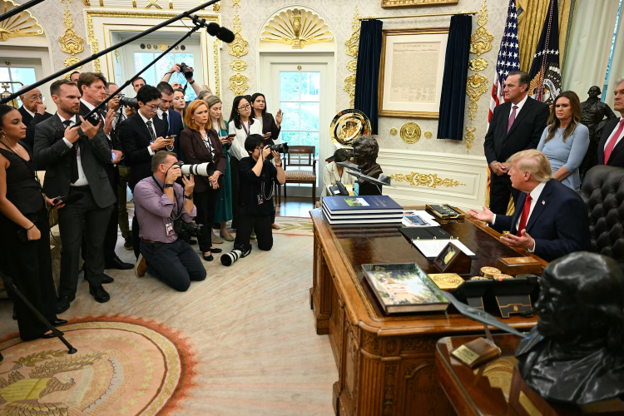
President Trump was questioned regarding his announcement during an Oval Office event on Friday where he elaborated by claiming that the ban was simply based on the fact that they were fake news, while also claiming that their ratings were also poor because they were writing fake stories and that people were understanding their fake news as well. The President was quickly questioned whether the ban was a strategy to intimidate the press, a question that he quickly denied while also accusing the Bloomberg reporter of being terrible, and claiming that he himself disliked dishonest press as such outlets often script negative news in order to try and diminish the Republicans and a Republican administration.
How the Outlets Responded
The three outlets being banned from the White House have put out strong statements condemning the restrictions being imposed on them while also declaring that they would be pursuing legal action on the matter. Through a statement, CNN emphasized that the U.S Constitution grants them the right to report without government interference while also assuring supporters that the outlet would not hesitate from holding the government and public bodies accountable, simply because of the restrictions being unjustly imposed upon them.
This Isn't the First Time
The recent banning of the three outlets simply adds onto President Trump’s long-running effort to restrict coverage from journalists and outlets that he perceives as ‘unfavorable’, a list that includes court fights and direct administrative actions in the past. Similarly during his first term, President Trump had also barred a CNN reporter from accessing the White House, a move that the action courts ruled against. Additionally, during his second term in 2025, the President had also excluded a Wall Street Journal report from Air Force One following the paper’s reports citing relationships between President Trump and the late Jeffrey Epstein.
Precedent: What Happened With the AP
Recently in the past year, the Associate Press had also been barred from certain government spaces by the White House Administration after the platform’s refusal on the Administration’s demand to refer to the Gulf of Mexico as the ‘Gulf of America’, following the President’s push to rename the water body.The Associate Press had also chosen to pursue legal action, suing the administration for violating the First Amendment by attempting to restrict the press with the federal judge ruling that the editorial press could not be punished for its word choices, especially by the political administration. The administration was quick to appeal to the ruling, a case that remains pending with questions of whether the White House Administration should hold the power to restrict access on the basis of a news outlet’s editorial decisions, despite the initial ruling condemning the restriction and being in favor of the editorial press.
Where Things Stand Now
Currently, the three outlets continue to experience restrictions in their access to the White House grounds following the ban and while the outlets have publicly announced their approach towards legal action, a lawsuit hasn’t directly been filed formally confirming the legal action on the administration. Considering that the Associate Press’s previous ruling has been appealed and continues to remain in muddy waters, the eventual outcome of the administration’s appeal could also carry direct implementations for the possible direction and outcome on how this new dispute unfolds over the coming weeks.
Conclusion
Previous disputes are a testament that legal questions and proceedings that involve matters of access to the White House and the larger press tend to move slowly, filled with exchanges of appeals and rulings that take prolonged periods to meet their ultimate conclusion. But President Trump’s ban was implemented quickly, starting with a social media post on Friday to an actual shut out of three working journalists who had been working the same routine countless times before. While the outlets shape their legal course of action and the justice system caters to the constitutionality of the ban and its consequences, the practical reality for CNN, MS NOW, and Politico for the near future continues from the sidewalk across the White House instead of the otherwise filled desks that now sit empty within the White House grounds.
Latest Posts