

US-Iran Strike Pause Sparks Diplomatic Talks Hopes for a Regional Breakthrough Rise
Addressing the halt, President Trump told reporters aboard Air Force One that Iran had asked for the pause directly: "They asked us very nicely, 'Please stop, let's meet.' And that's where we are right now, see what happens."
Yet only a few hours after the official announcement by President Trump, Iran’s own Foreign Ministry said there are, in fact, no talks underway with the US at all. And that leaves us questioning what this diplomatic pause really is - an actual hope for resolution of underlying concerns or just the latest halt in a war that’s already broken more than one ceasefire this year? The right answer most likely lies there somewhere in between!
Table of Contents
- What Happened This Week
- How We Got Here: A War With Several False Endings
- Oman's Diplomatic Push
- Why the Optimism Is Tempered
- What Real Progress Would Actually Look Like
- Conclusion
What Happened This Week
On Monday, the United States decided to pause its military attacks on Iran after two long weeks, with President Trump framing it as a consideration towards an Iranian request while also warning that the two wouldn’t hesitate to return to war, if the two sides couldn’t agree upon a new ceasefire deal. And as per reports by the CNN, Vice President JD Vance and Joint Chiefs Chairman Gen. Dan Caine has also in the meanwhile raised concerns about continuing the strike campaign, partly over worries about how much the US munitions stockpile had already been drawn down.
Within the following few hours, Iranian Foreign Ministry spokesperson Esmaeil Baghaei addressed the issue with a televised press conference while stating that Tehran "will never allow the United States to determine the timing of war and peace," and that there are "no negotiations with the United States at present."And while that might be concerning, it also doesn’t come from a regime that just recently requested to sit down for talks of peace - something worth noting to assess the reliability of their ceasefire.
How We Got Here: A War With Several False Endings
And there’s a very evident reason why this week’s headlines are being met with a sense of hesitant optimism, every ceasefire in this war has nearly been broken within the next few weeks and while there is no certainty what this one would turn out to be, the outcome would only be clear in the weeks to come.
|
Date |
What Happened |
|
Feb 28, 2026 |
US and Israel launch strikes on Iran, killing Supreme Leader Ali Khamenei and hitting nuclear and missile sites; Iran responds by closing the Strait of Hormuz |
|
March 6, 2026 |
Trump iterates that Unconditional Surrender is the only option an no deal with Iran can be achieved. |
|
April 8, 2026 |
Pakistan mediates a two-week ceasefire; Trump calls it "a big day for World Peace" |
|
June 17, 2026 |
A 60-day US-Iran ceasefire is signed, with plans to reopen the Strait of Hormuz without fees |
|
June 28, 2026 |
Ceasefire strained after four straight days of renewed attacks; Bahrain and Kuwait targeted |
|
July 8–9, 2026 |
Ceasefire effectively collapses; US strikes 80 targets, Iran hits back at 85 US-linked targets in Bahrain and Kuwait |
|
July 27, 2026 |
US pauses strikes again; Oman launches a new regional diplomatic push; Iran denies active talks |
Oman’s Diplomatic Push
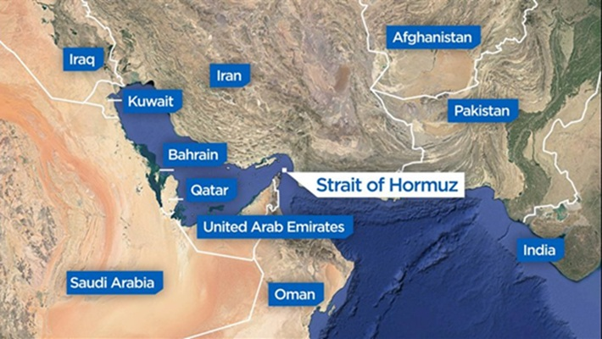
As many would find difficult, what’s unique and different about the diplomatic developments this week, is that they didn’t happen or come from Washington or Tehran, but actually from Muscat. Oman’s Foreign Minister, Badr Albusaidi has been in conversations with counterparts from Iran, Saudi Arabia, Qatar, Kuwait and Egypt since Monday, in an attempt to find a ‘practical, fair and sustainable understanding’, with safe Strait of Hormuz navigation as a central goal. Oman has spent the majority of the 2026 duration of this war in the role of a mediator, hosting nuclear talks between US envoys Steve Witkoff and Jared Kushner and Iranian Foreign Minister Abbas Aragchi back in February, before the war had entered into an intense phase.
As per the Wall Street Journal, there are also reports suggesting that Iran and Oman are separately working towards an agreement , focused on the Strait of Hormuz navigation. And something that has raised alarms in that negotiation, Iran has pushed for a toll system for ships passing through the strait, something that Oman doesn’t support while the U.S also finds unacceptable and refuses to include it as a part of any larger deals.
Why The Optimism is Tempered
Shipping Data from Monday morning showed that only 10 commodity ships had passed through the Strait, a stark difference from the 100 that would usually pass on a pre-war day - a sign that the shipping industries are not accepting these diplomatic announcements just yet. Deutsche Bank analysts described it plainly in a note Monday: "a welcome pause from the main actors but a fragile one, especially with side battles going on."
It’s also important to note that throughout Monday, Saudi Arabia claimed to have been intercepting drones launched from Iraqi territory, blaming Iranian-backed militias, while Houthi Rebels also continue to threaten Saudi Arabia in the Bab al-Mandeb Strait, highlighting another daunting threat to the Hormuz for the near future.
What Real Progress Would Actually Look Like
Considering the number of instances this year, where a ‘pause’ has felt like a full ceasefire until being broken within weeks, it’s important to notice what is different this time from the previous ones. In an ideal resolution, a genuine breakthrough or agreement would require:
- A resolved Strait of Hormuz agreement between Iran-Oman that both the U.S and Shipping Companies find reliable and trustworthy,
- A real-time increase or return to the tanker traffic through the strait, showcasing genuine smooth passage
- A possible security from Iran's negotiators for a secure buy-in from the IRGC, considering their role in the disruption of a previous agreement.
And until all three of these look likely to be happening, the announcements of halts or pauses is not an actual ceasefire or peace talks but only the door to peace opening with several parties pushing to walk through.
Conclusion
The headlines would continue to change and adapt to the political tensions and developments, but what’s worth noting is that there are genuine, conscious attempts by Oman to actually turn diplomatic conversations into something genuine and enduring. And with the Iranian government refuting the idea of peace talks being underway, it would be wise to not believe this as a breakthrough just yet! Where the US and Iran stand now is not a resolved outcome but a genuine opportunity for meaningful dialogue and whether this dialogue is held and channeled into something productive is something you must be on the look out for!
Latest Posts