

US Escalates War Tensions with Iran Dubai in the Crosshairs
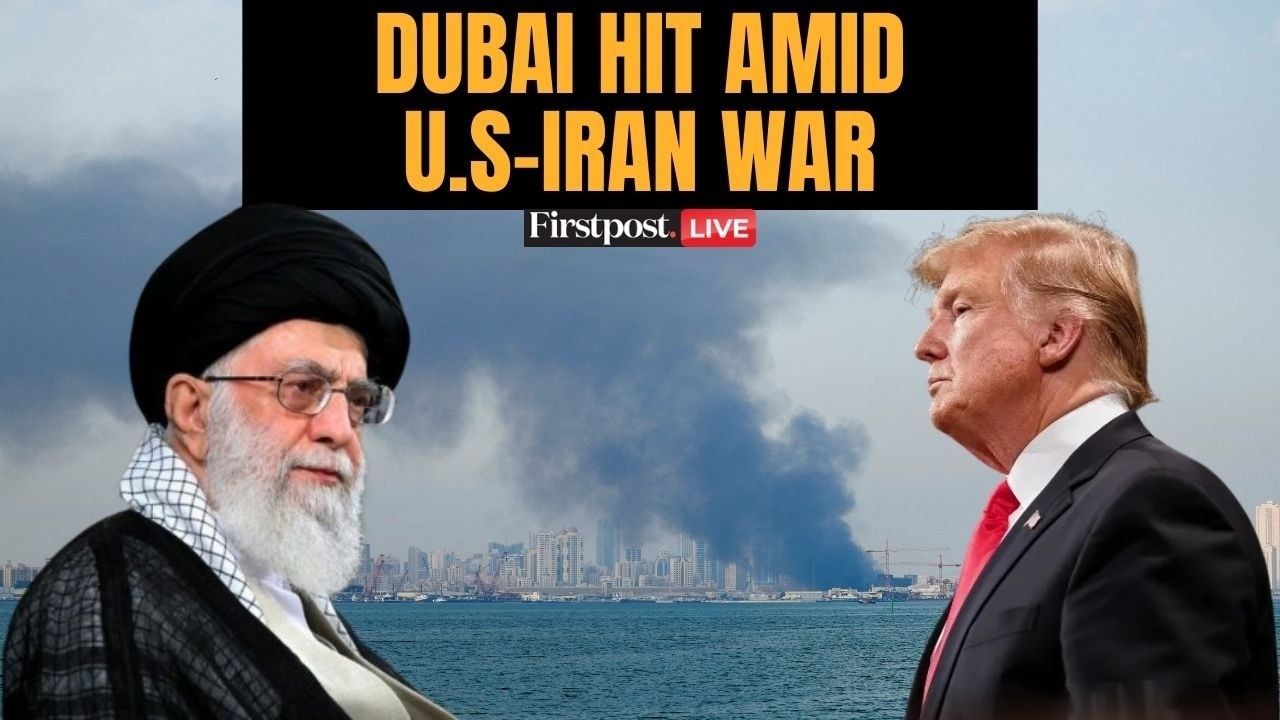
Both retaliation & retaliatory drone strikes have occurred along with immediate closure of UAE airspace; this is not just background noise for businesses operating within the MENA region, but rather an instantaneous Supply Chain Crisis.
The Attack Timeline- From Strike to Chaos
Saturday night, US Air Force's B-2 Stealth Bombers attacked IRGC missile positions due to "imminent threats" posed by them to shipping in the gulf. Iranian state media reported 14 deaths; the Houthis shot down 22 drones heading to Dubai and Abu Dhabi with 18 of them being intercepted.
Directly after the attacks, Jebel Ali - which is the ninth busiest container port in the world - suspended operations for 36 hours. Another result of this situation was the rerouting of 140 flights from the Dubai International Airport. Crude oil rose 12% to $92 per barrel while shipping costs from Asia to Europe climbed 18%.
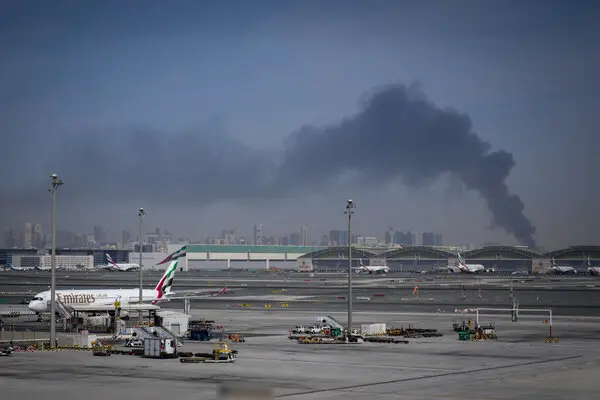
Dubai's Critical Role Now Under Siege
Annual trade in re-exports through Dubai reaches $200,000,000,000 (USD) and resells goods between Asia, Africa and Europe. The Port of Jebel Ali processes approximately 15 million twenty-foot equivalent units (TEUs) annually, with every 48-hour delay resulting in approximately $1.2 billion in delayed goods.
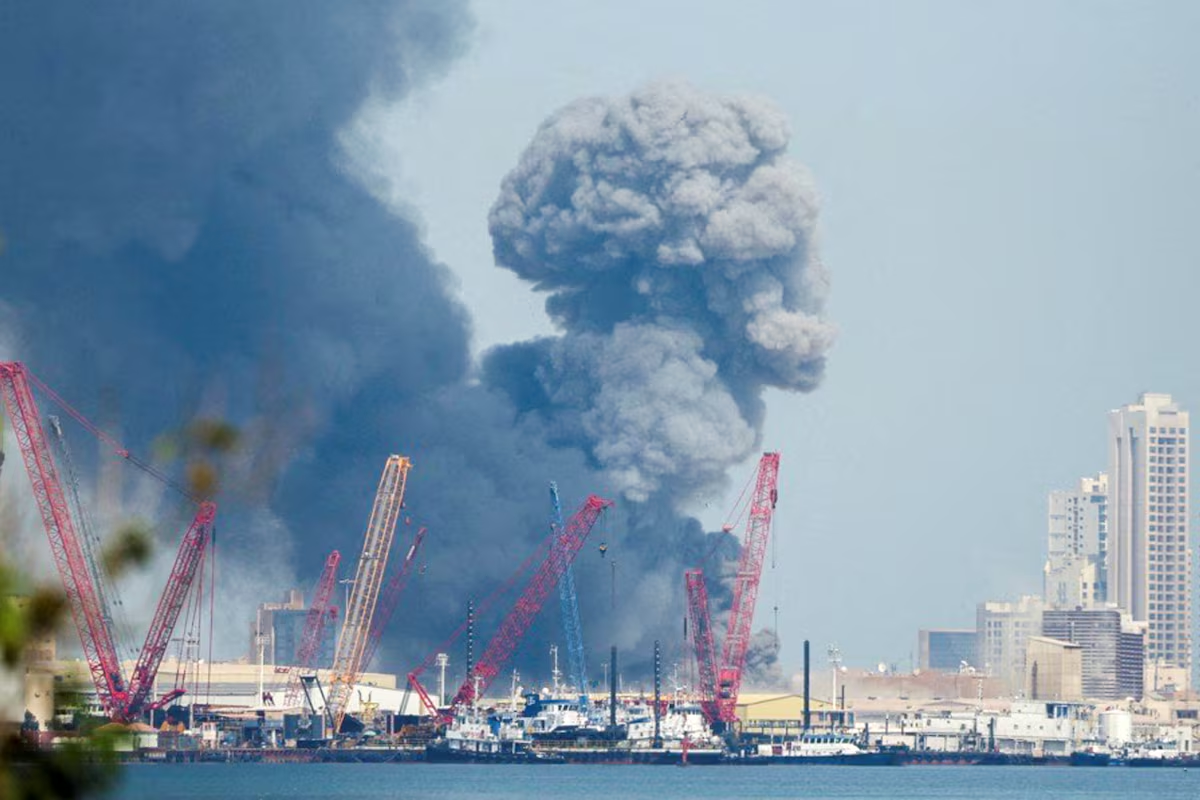
The retail, logistics and hotel industries come to a halt. Fulfillment for e-commerce orders transported from Dubai to East Africa will take 10-14 days longer than usual. More than 3,000 companies that occupy free zone sites are activating their business continuity plans to deal with the shutdown. Insurance payouts have already exceeded $400 million.
Energy Shockwaves: The Hormuz Multiplier
The Strait of Hormuz is responsible for 20% of the world's oil and 25% of the world's liquefied natural gas (LNG). At an oil price of $95/barrel, these rising costs will create a $120 billion/year increase in refinery operating costs for the entire global refining industry. Diesel prices will rise 15% and jet fuel prices will rise 20%.
How does this affect India? Since India imports 85% of its oil, the increased cost of oil will lead to an estimated ₹8,500 crore increase in oil import costs through Q2. To mitigate this, Indian refiners are pivoting to Russian heavy crude; consequently, the rupee has dropped to 86.8 against the U.S. dollar; and Indian MSME's have already introduced 10% price increases in their inputs within the last 72 hours.
Global Supply Chains Feel the Stranglehold
Container shipping services are altering their courses around Africa, which will increase average transit times by 14 days to reach the destinations of Europe and North America. The cost for this delay is about $4,000 per twenty-foot equivalent unit (TEU). Recent reports indicated that inbound shipments to the ports in Mundra and Nhava Sheva are experiencing a delay of 25%. Shipments of textiles and other electronics to the countries within the Middle East and North Africa (MENA) have stalled at an estimated *$300 million dollars each day.
Shipping costs for air freight will double; meanwhile, perishable items shipped from Kenya and Ethiopia are rotting in Dubai warehouses because they are being held up awaiting clearance by the government. As a result, e-commerce companies based in China have put an indefinite hold on shipping stock to fulfilment centres located in the United Arab Emirates (UAE).
Immediate Executive Actions Required
When there are rising tensions around the world, attention to an area’s critical infrastructure — in this case, Dubai — could cost millions in additional expenses that could have been avoided had there been no delays due to indecisiveness. Here is the prioritized playbook for responses:
- High Velocity Inventory Relocation: Relocate 45-60 days worth of essential inventory from Jebel Ali to Oman (Sohar) and Qatar (Hamad Port)—both ports have sufficient physical capacity (30% excess) to accommodate the shipment. Transport perishables by air; transport bulk goods by sea to/from India or from India, which could cause Mundra Indian exporters to face 10-12 day delays for their exports going to/from the UAE.
- Financial Exposures Lock Down: Conduct forward contracts today for fuel at current Brent futures pricing and currencies with a maximum exchange rate of 86.5/USD. Indian refiners will incur INR 5 billion per day in losses for every $5/barrel increase in fuel prices; small and medium enterprises need to hedge their exposure for 90 days, at a minimum.
- Continuity of Contracts and Workforces: Utilize force majeure under all Middle East and North African contracts where “acts of war” are defined. All non-resident Indians in the UAE (15 million employees) should work remotely from either India or at Bengaluru SOCs. Legal departments will draft 72-hour contingency memoranda of understanding to execute.
- EBITDA Stress Testing: closure of Hormuz for 7 days = 3-5% decrease in EBITDA for logistics/pharmaceuticals or 12% decrease in working capital for Indian small and medium enterprises = $500 million in corporate lines of credit activated.
De-escalation Signals vs Market Panic
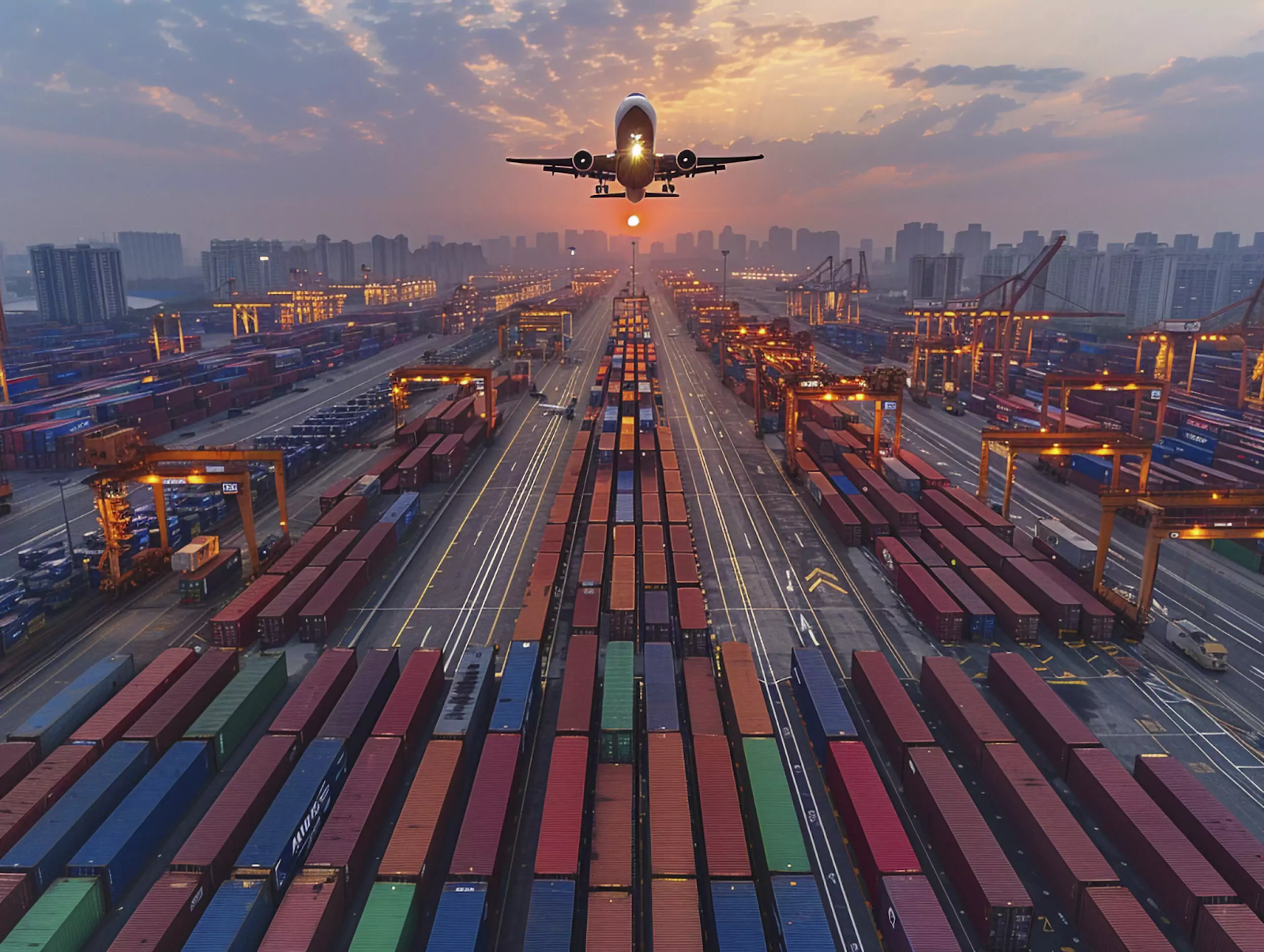
According to the Pentagon's recent briefing, we will not be seeing any major military action in Iran; however, there will be tactical air strikes with a very, very short time frame. At the same time, Iran has used Oman as an unofficial channel to portray its restraint.
Jebel Ali will re-open by Tuesday but will not be back to full operations until Thursday.
Markets have been shaken up; oil was down over 8% from the peak of trading today. As such, businesses that have left the markets will be at a disadvantage to agile competitors that are still in the market.
Geopolitical Ripple Effects
- CPEC Phase 3 accelerated by China as a Hormuz Bypass - Gwadar to Shenzhen container shipping will be 18% cheaper long-term than current routes.
- Russia floods the market with discount ( $ 8 / barrel below brent) urals crude and undercuts Saudi plan to set price. Urals has caused Indian refiners like Nayara to immediately change 30% of their heavy products to lighter ones.
- India trade target is $50 billion so UAE offering double golden visa for 10 years and 100% foreign ownership to Indian companies following post-pandemic reopening. Adani and Reliance have each secured preferential space at Jebel Ali Port.
The Indian Business Calculus
As regards Indian companies, there is an approximate 25 percent exposure to MENA within the Dubai market. The reciprocal investment of over 2 trillion rupees creates a strong bilateral relationship and support of 3 trillion rupees per year through remittances by NRIs.
The key to success has been having calm, measured responses that maintain proximity to the Dubai region and provide a competitive advantage for these firms.
What has worked for businesses is Tata's execution of their playbook in Abqaiq, successfully achieving 90 percent within 10 days of development. Adani has successfully diversified his exposure by 70 percent through expansion into Haifa.
What has not worked is that businesses who panicked and left the market are losing first-mover recovery positions to Chinese and Turkish companies.
The operational fabric of the organization will be challenged during periods of conflict. Companies that have calmly executed planned and sequenced responses, and not acted with a knee-jerk retreat, will gain greater market share in MENA.
Dubai's market will recover faster than most estimates suggest and businesses that execute ahead will shape the success stories of tomorrow. Companies should monitor the movement of tankers in maritime shipping through AIS data on an hourly basis, hedge against operational risk, and communicate with displaced employees constantly as the situation develops. Resilience is the key to MENA success.
Latest Posts