

UN Climate Talks Collapse at COP31 in Antalya as the EU Rejects a Draft That Omits Fossil Fuels
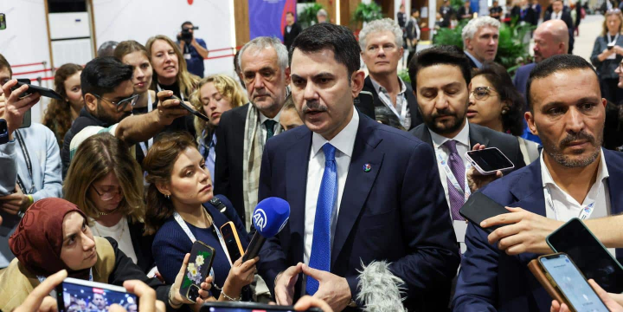
The session continued until Sunday, when the Turkish President officially addressed the room with an announcement that conveyed there would be no new texts. And for the first time since Copenhagen in 2009, the Annual UN Climate Summit concluded without a unanimous agreement or takeaway, simply because of a word that its final draft did not contain - fossil fuels.
Table of Contents
1. How the Talks Reached the Breaking Point
2. What the Final Draft Said and Did Not Say
3. Who Rejected It and Why
4. The Other Fault Line: Money
5. The Defenders of the Draft
6. What the Collapse Does and Does Not Mean
7. What Comes Next
8. Conclusion
How the Talks Reached the Breaking Point
The 31st Summit of the COP31 was recently held in Antalya, Turkey, with Turkey and Australia sharing a joint presidency over the meeting. Murat Kurum, Türkiye's environment minister was appointed as the COP president, while Australia's Chris Bowen served as the president of negotiations for this meeting. In its original timeline, the summit had been scheduled to conclude by Friday, November 30 but a series of drafts that failed to gain agreement further extended the summit onto the weekend before finally concluding on Sunday, November 22.
And the meeting extended for the absence of a simple term, Fossil Fuel. And it's important to consider that it wasn't simply missing all along but subtle shrunk along the way. When the talks began, its first draft that arrived on the sixth day mentioned the term 19 times. Subsequently, the Presidency draft dated November 19 completely disregarded mentions of fossil fuels, oil, coal or gas, and referred only to the outcome of the 2023 Dubai summit, where countries agreed to "transition away" from fossil fuels, a drafting that could not gain acceptance from the delegates even until Sunday’s 12-page long fourth draft.
What the Final Draft Said and Did Not Say
|
Subject |
What the draft proposed |
|
Fossil fuels |
No mention; only a reference to the Dubai outcome in earlier versions |
|
Carbon capture |
Targets of at least 500 million tonnes of CO2 a year by 2035, working toward 1.3 to 2.5 gigatons a year |
|
Electrification |
Raise electricity's share of global final energy use to 35% by 2035 |
|
Adaptation finance |
At least triple by 2035, with no clear baseline, according to critics |
|
Finance needs cited |
Developing countries' estimated needs of $5.1 trillion to $6.8 trillion through 2030 |
Fossil Fuel’s omission became the central issue for a lot of delegates, especially considering that the draft outlined measures to accelerate climate action and create alternatives, but simply didn't address what energy sources it was aiming to replace.
Who Rejected It and Why
The European Union, speaking through Ireland's climate minister Darragh O'Brien was amongst the strongest stances by publicly claiming that they wouldn't endorse a cover decision or the Antalya Pact which simply disregards the mention and importance of Fossil Fuels in Climate Change conversations. In a statement, the EU said the text does not respond to the science while reiterating that it would not accept a COP that greenwashes fossil fuels. Ireland's minister also told Reuters that some oil states had hijacked the conference.
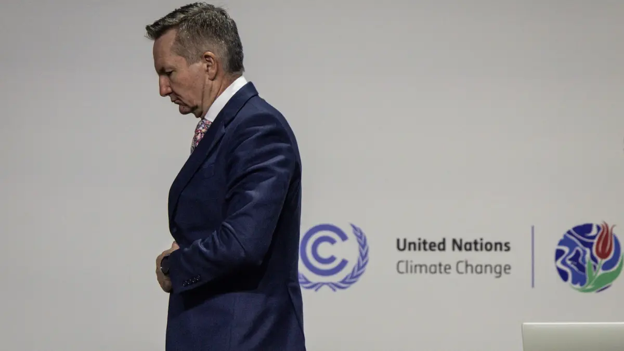
Notably, The EU was not alone. The draft also received rejections from the United Kingdom, Panama and a coalition of vulnerable nations who are frequently exposed to the scares of climate change. Delegates from small island and low-lying countries, who have the most to lose from warming, were among the angriest. The conference even went onto be labelled as the worst COP till date, as many negotiators felt frustrated for being violated and neglected with regards to their three decades of contribution and commitment to plans and talks.
The Other Fault Line: Money
And while Fossil Fuels became the headline of disagreement for majority nations, unresolved disputes over fuels and finances also clouded the summit discussions. Tensions over financial decisions and funding plans had originally begun from the overnight session which saw the African group stall a separate long-term finance decision while Russia blocked a plan on climate education and public participation.
Notably, The United States, which recently withdrew from international climate cooperation under the Trump administration, sent no official delegation. Many observers and supporters also argued that the absence of the United States was a significant concern as it meant the loss of a powerhouse country who could help broker compromises in earlier summits.
The Defenders of the Draft
Not everyone saw the draft as a failure. A Saudi representative who supported the carbon-removal language said he was surprised at the resistance to the technology, according to Reuters. At least one delegate criticized the European rejection itself, and Kurum said a deal could not be approved without consensus, which UN rules require. Supporters of the presidency's approach argue that a text focused on technology, electrification and finance targets could attract countries that would not sign anything naming fossil fuels.
|
Position |
Argument |
|
EU, UK, Panama, vulnerable nations |
Without fossil fuels, the text ignores the main cause of warming and rewards exporters |
|
Presidency and some producers |
A consensus text must be one that all 196 parties and the EU can accept |
|
Some developing countries |
Finance targets lacked baselines and clear commitments |
|
Campaigners |
The talks showed that incremental language is no longer enough |
What the Collapse Does and Does Not Mean
The failure to reach an agreement might've felt like an alarming concern, yet it's simply not the end of climate policy. As things stand, The Paris Agreement as well as the previous Dubai agreement to transition away from fossil fuels continue to remain in place. What simply couldn't be reached is a new shared political statement on how the agreements are to be executed in the practical world.
What Comes Next
Attention now turns to COP32, which is due to be held in Addis Ababa, Ethiopia, next year. And until the summit arrives, negotiators would have time to explore the same question: whether a global agreement can name fossil fuels and still win consensus. The EU's reaction to the outcome suggests a push towards explicit language could be expected, and the presidencies of the next conferences will have to plan how they can achieve that outcome.
Conclusion
The 31st COP31 Summit concluded exactly how many past conferences in the past have finished, at the crossroads of whether the world's climate agreement should plainly mention what's driving the problem. For this Summit, that question reached no consensus and no written text either. The failure to reach an agreement by the UN is certainly a concern for multilateral diplomacy, yet it doesn't necessarily seek national action. While the delegates now begin looking into the next meeting at Addis Ababa, they would be certain to expect the issue waiting for them there as well.
Latest Posts