

UK Parliament Warns of BBC World Service Decline
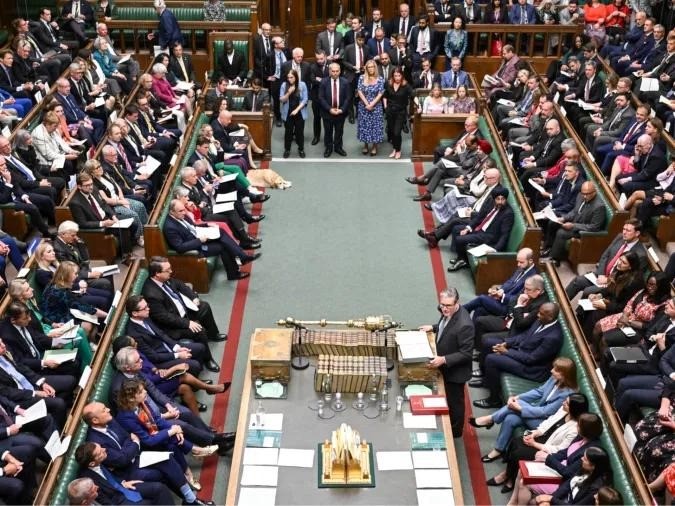
As the world's leading international broadcaster, this is putting the BBC at risk of losing significant market share in key markets where U.S. corporations depend on media reach and audience credibility statistics from the BBC.
The Funding Squeeze: Numbers Don't Lie
The World Service's total budget has decreased 21% between 2021-22 and 2025-26 due to BBC licence fee reductions and not just from Government Funding via grants. The Foreign and Commonwealth Office funding agreement will end this month without confirmation of a renewal, meaning that managers have to make financial decisions without certainty on funding. MPs said that this is "highly concerning", as the BBC has had difficulty demonstrating to taxpayers that they are using their funds in an efficient manner.
Audience numbers across the digital transformation project are down 11% (since 2021) and have fallen significantly as a result of the poor metrics and gaps in the governance framework. Chairman Sir Geoffrey Clifton-Brown claimed that this was "a diamond in the crown of the UK’s soft power structure", but is now becoming dull due to poor decision-making by others.
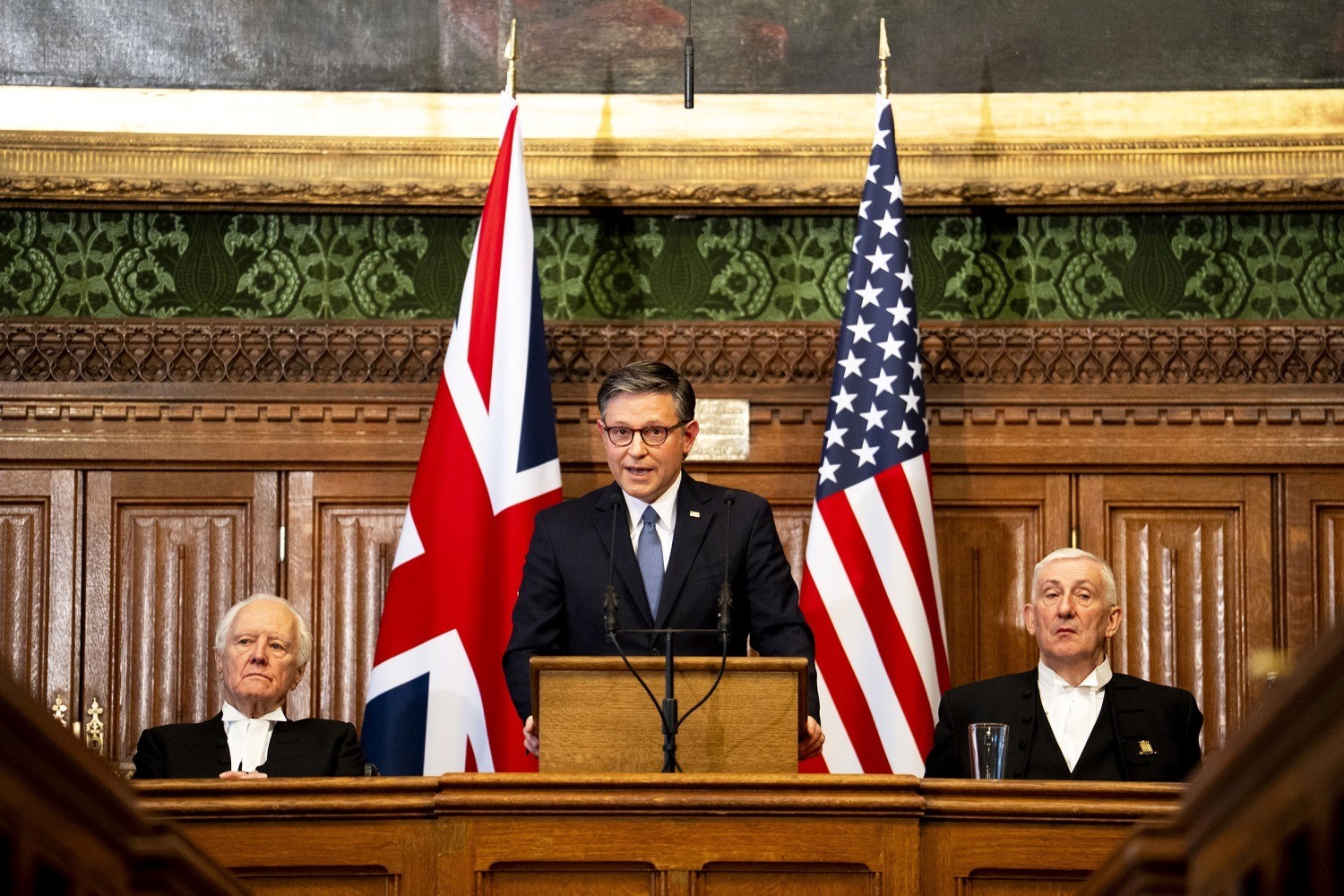
Geopolitical Stakes
Due to reductions in funding at the BBC, state-supported broadcasters from Russia and China are investing billions of dollars each year to change opinions in Africa, Asia, and Latin America. The committee is concerned that this will provide attractive options for propaganda to the BBC's opponents, as well as decrease the influence of the West where trust is paramount. The BBC historically provided an objective source of news in difficult markets, however, their lack of presence will provide their opponents with opportunities to fill the void left by the BBC.
Indian Perspective
The BBC World Service's decline resonates throughout India. The BBC's Hindi, Tamil, and Punjabi services provide their 50 million weekly listeners with reliable English-language content to improve their English-language capabilities while providing important news from around the world, in a time when domestic media are politically polarized.
Urban professionals and expatriates in India depend on the BBC for neutral reporting on trade issues, technology, and global geopolitics. This information is critical for making decisions about doing business in a fragmented information environment.
For many Indian businesses, the BBC's use of soft power has assist-ed in creating their brand narrative to support their business goals. Financial services businesses sponsor serviced business news; education technology companies find value in the BBC's programming that facilitates English-language learning. The decline in BBC services means that competing countries with state-controlled media are making more noise, making it challenging for Indian businesses to conduct cross-border public relations, and attracting talent.
With India hosting G20 side events and applying for a UN Security Council seat, international voices aligned with each other, such as the BBC, will support India in establishing its position as a global player.
Opportunity in the Gap
There is an opportunity in the gap between Indian content creators and Indian media companies (BBC, Indian regional services) that have decreased in scale. With BBC Hindi and other regional services reducing in size, there are many opportunities for domestic Indian digital platforms (e.g., The Wire, Scroll.in, NDTV Converge) to create international news desks and help fill the gap that exists in credible English-speaking media. Additionally, Indian OTT platforms (i.e. Hotstar, JioCinema) may be able to license BBC co-productions as platforms targeting a global diaspora audience, allowing them to create hybrid revenue models (i.e. combining public credibility/revenue with private revenue/scale).
Beyond Public Funding
Three ripple effects for media buyers and content creators:
Changes to trust metrics for audiences.
Nielsen data shows BBC beating competitors in emerging markets, while BBC's decline creates an opportunity for local and hostile sources of information.
Recalibration of soft power investments
Governments and corporations are paying more to conduct global outreach since they need to build credibility.
Further fragmentation of digital advertising markets. With the decline of online BBC, there will be an increase in the amount of traffic going to unverified platforms, increasing the risk of false information impacting brands. Global brands exposed to India will find themselves without a neutral way to amplify their CSR stories or to tell stories about entering the Indian marketplace.
What Comes Next: Calls for Action
Multi-year funds from the FCDO, improved metrics from the BBC, and reforms to its governance are all required for reversing audience loss, according to the committee. The BBC has requested the return of complete government funding, as was the case before 2014.
Strategic Takeaways for Business Leaders
The UK's failure to develop its soft power will lead to a decline of the UK's power. Countries that can take this opportunity are countries that are seen as rivals to the UK.
Business leaders should note that the media plays a huge role in how influential countries are economically. Businesses can benefit from international broadcasting by treating it as an integral part of their business rather than just being charitable. Keeping tabs on funding renewal talks and cultivating digital audiences is crucial for businesses that want to maintain a favorable standing in their respective markets.
Companies that use this strategy can work with new local sources while also supporting the future of public media. In an Information War, credibility is the most important thing, and trust is decreasing in many sources that were once seen as reliable.
Latest Posts