

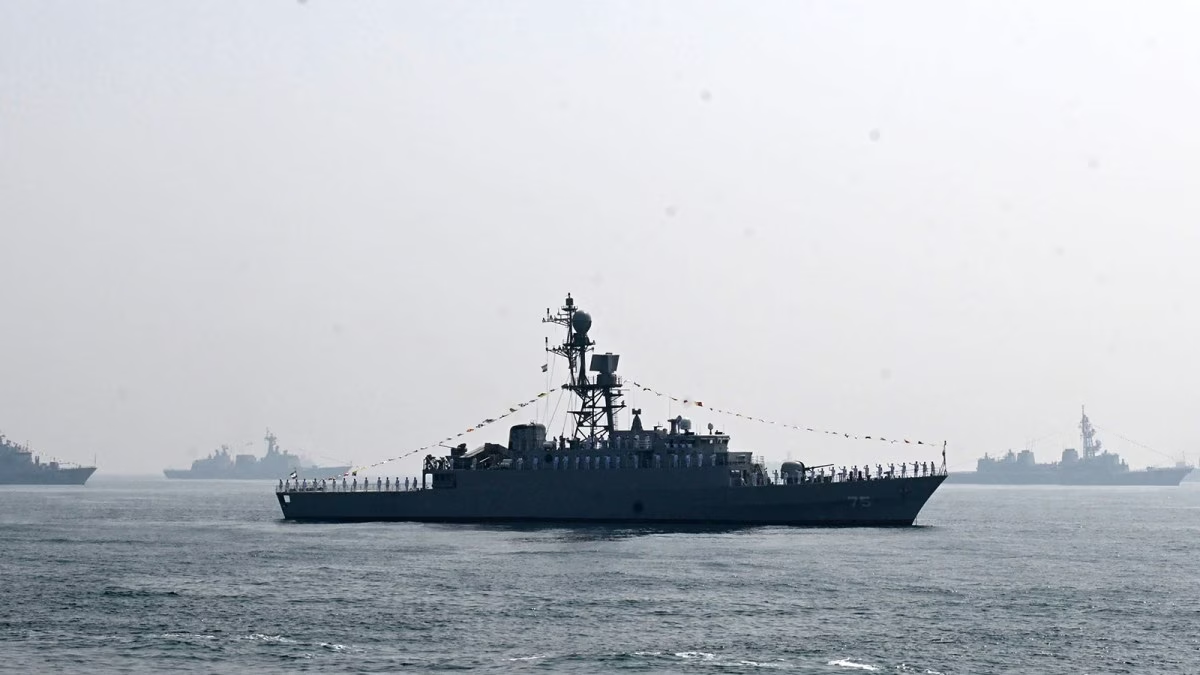
U.S. Submarine Sinks Iranian Warship off Sri Lanka
Why Sri Lanka's Waters Matter?
In one of the busiest sea lanes globally, a logistical challenge has occurred resulting from the unfortunate sinking of a naval vessel in this narrow sea lane separating Sri Lanka and the Maldives, through which flows approximately 20% of the world's oil and 40% of all worldwide container traffic. After the sinking of the warship, each container ship captain must re-think both their risk premium and their insurance when planning their next voyage.
This situation is especially critical to India since about 15% of the transshipment cargo for India moves out of Colombo. Consequently, if there is any disruption in the Colombo port, the effects will be felt in Chennai or Mundra ports. Adding to this issue is the fact that due to increased instability in the region, on average, Indian exporters have suffered delays in shipments between 12 and 15 days.
Naval Escalation Signals
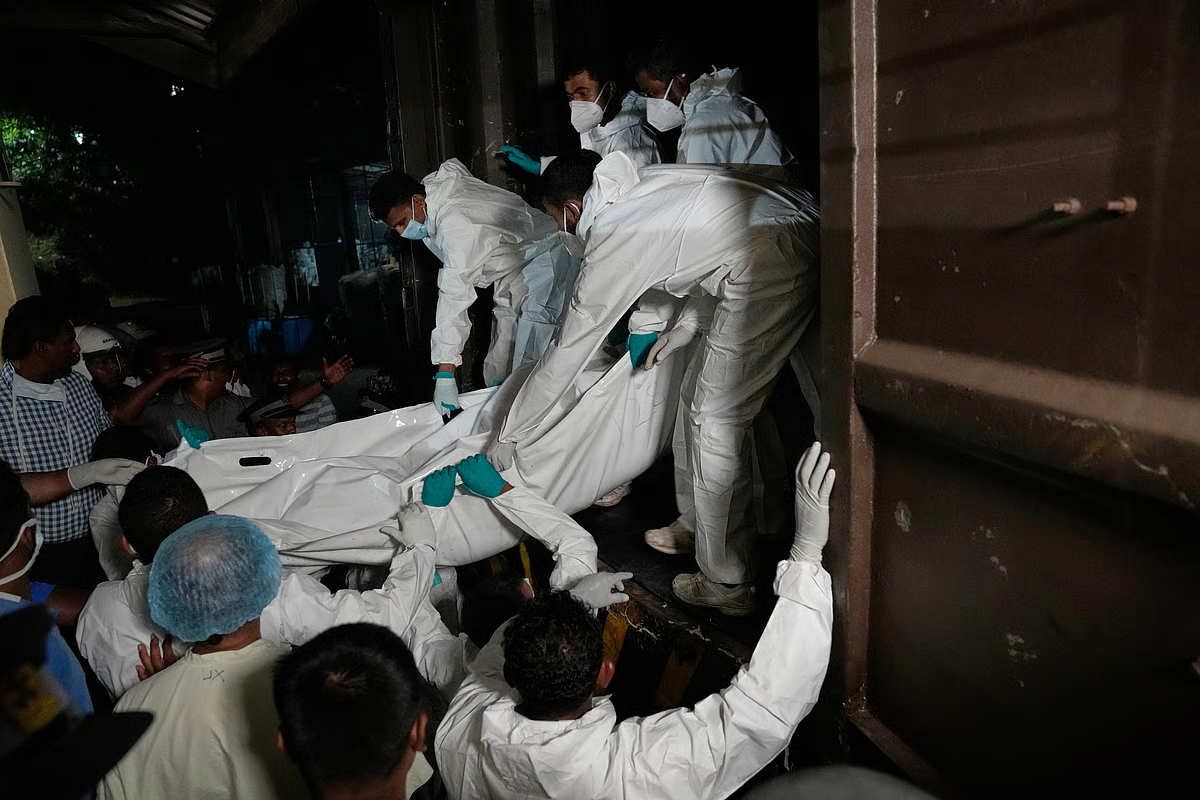
The fact that a US submarine executed direct action against an Iranian ship indicates a high-level authorization indicative of presidential direction, rather than tactical opportunity. Submarines do not surface to deliver warning shots; they deliver lethal effects. So now, Iran has two options: accept the loss and move on quietly or risk escalating the regional conflict that could pull in the entire IOR.
The more significant concern is the implications of this action as a precedent. If warships can be engaged and attacked without consequence during peacetime, then merchant vessels are considered legitimate targets in the gray space of war. Lloyd's London has reported a substantial increase (up to 250%) in the premium for the region's war risk.
Indian Businesses Feel Immediate Heat
Indian shipping operators are under the most strain. 18% of shipments via SCI's Mumbai to Colombo service have been cancelled; feeder vessel rates to Colombo are up 35%. Container lines are now routing around Africa, which adds $4,200 per FEU and an additional 14 days to the transit time.
The oil and energy markets are responding in a like manner. Due to India's 85% reliance on oil imports, a $5/barrel increase in oil prices off the coast of Hormuz causes quarterly oil import expenses to rise by ₹8,500 crores. Reliance and ONGC have consequently activated backup barrels of Russian Urals crude oil.
Another problem is Sri Lanka's exposure. Adani's West Container Terminal, with a 40% investment by India, is facing force majeure claims; IndiGo is cancelling approximately 22 flights a day into Colombo. Indian visitors to Colombo make up the second largest tourist market there and have generated a 28% cancellation of hotel reservations.
Supply Chain Rerouting Accelerates
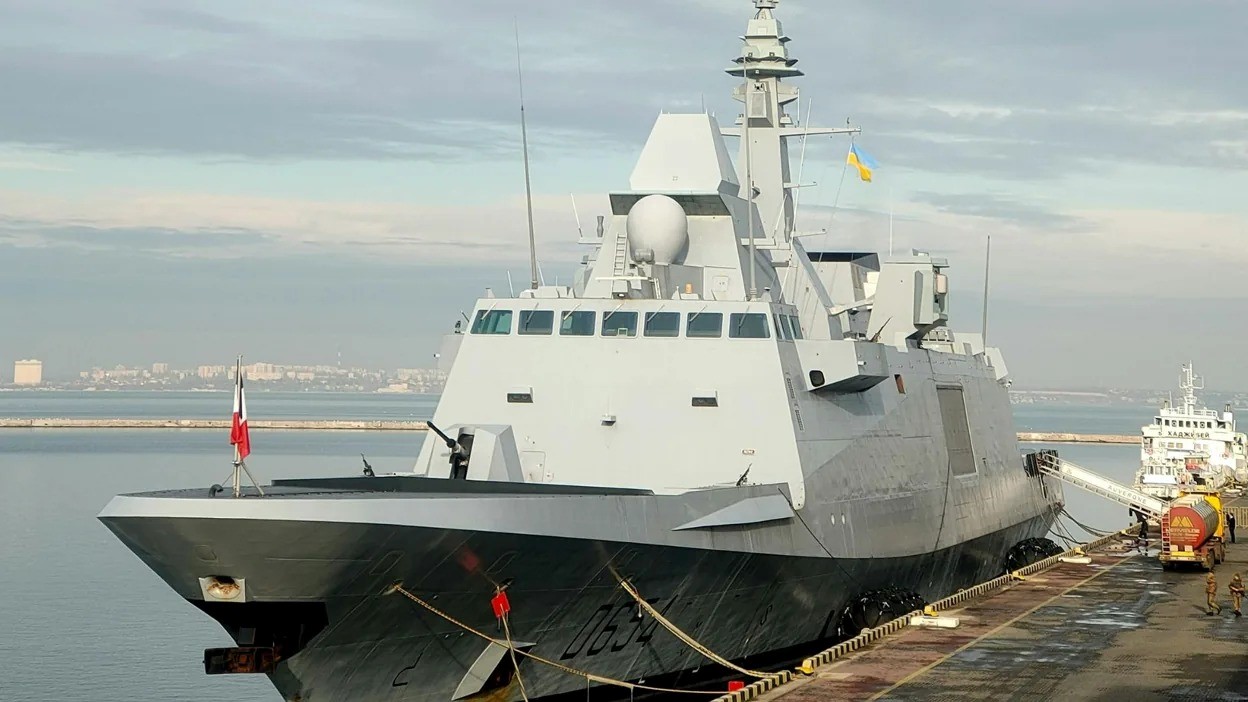
Sinking of the Indian Ocean leads the shipping companies to reconsider some long-standing assumptions. Maersk and MSC are now attempting to utilize the "Cape of Good Hope" routes, while transshipment hubs such as Colombo have lost around 25% of their volumes to Salahal and Jebel Ali. Garment exporters in India now have inventory gaps of 45 days, and electrical equipment on its way to India has seen landed costs increase by 12%.
Insurance rates are rapidly increasing. Caro insurances of vessels that are older than 10 years will exceed as compared to the vessels that are less than 10 years old. Also,the war rate will be at approximately 1% of the vessel’s hull values in a year. The cost to ship cargo will exceed the cost in January and will now be calculated at 0.75% of cargo value. MSME businesses in India have limited cash resources/sources.
India's Strategic Shifts
The Indian government is carefully navigating this complex situation. They are using diplomatic means, are trying to stay publically neutral and are also supporting the strengthening of patrols in Andaman and Nicobar.
The government is also assisting Sri Lanka with requests for assistance in maritime domain awareness. Moreover, it is also providing necessary aid to Sri Lanka by sending P8I's into their airspace without directly confronting them.
Many corporations are activating their business continuity plans in response to the current situation, such as Tata Steel diverting 30% of their Sri Lankan-grade ore shipment to Australia, and halting shipments to Sri Lanka until clearance protocols are established. The FICCI had established an Indian Ocean Resource Crisis Cell to monitor all developments in the region and to provide timely updates of 24 to 72 hour time frames for risk assessment.
Global Operators Must Recalibrate
Global corporations using the Indian and Sri Lankan supply chains are making quick decisions regarding their supply chains. Apparel producers have seen inventories drop by 18% in Q2, while auto manufacturers are trying to find alternative shipping options to Colombo. Large technology corporations are redirecting their undersea cable systems through alternative routes in the Sunda Strait.
Companies in the information technology sector are monitoring cyber threats, including Iranian asymmetric cyber activity through the use of ransomware and GPS spoofing. Additionally, major Indian IT corporations have offered to help their local clients create network segmentation for their projects.
The Next 72 Hours Are Critical
Iran is presented with a significant dilemma regarding whether they continue on their current path by declaring victory via their regime-run media or continue to escalate with proxy actions such as against merchant vessels, offshore platforms and ports in the region. The financial markets currently foresee a 35% probability of the latter occurring.
The Indian business community should be doing the following: locking in fuel hedges at current futures prices, executing 90-day currency forwards with maximum rates of 86.2/USD and activating force majeure in relation to contracts that are linked to businesses based in or doing business with Sri Lanka.
The recent encounter between a U.S. submarine and an Iranian warship represents a dramatic shift for the Indian Ocean from being a reliable trade route to being a contested area for trade. Companies that treat this event as "regional news" will cede competitive position to those companies that properly interpret the evolving strategic trends developing from it.
Latest Posts