

U.S. Governance House Passes Massive 70 Billion Immigration Enforcement Bill
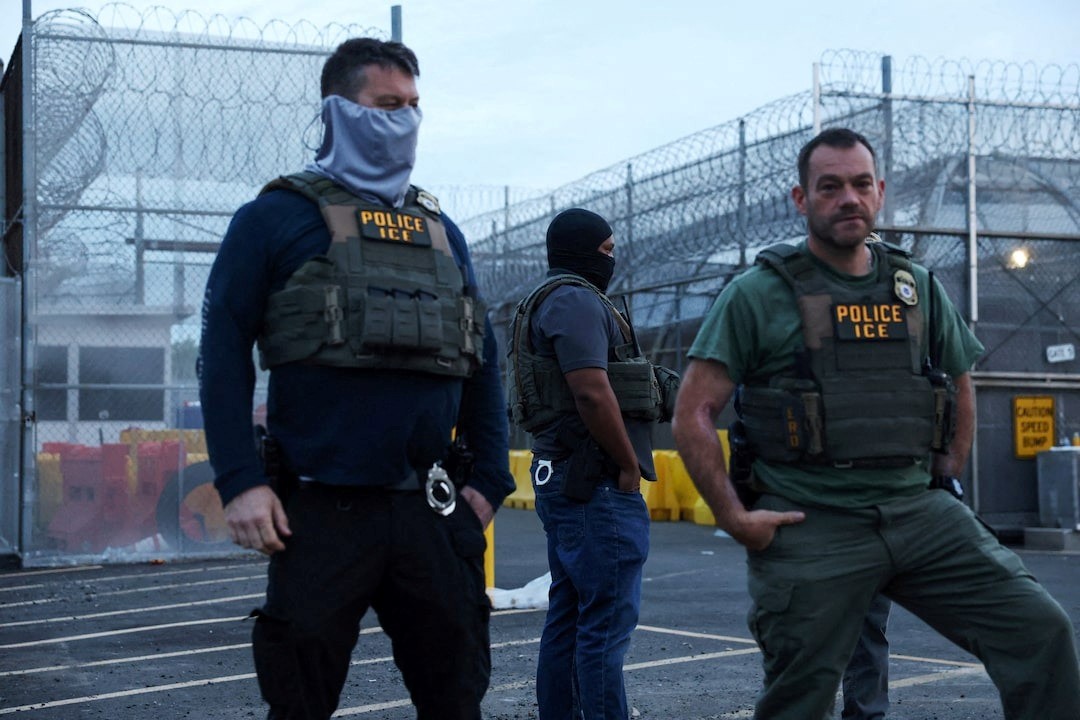
More than just being political, this bill is important because it ensures continued funding for ICE, the Border Patrol, detention space/holdings, and enforcement technologies for the duration of President Trump's time in office.
What the Bill Actually Does
The legislation is fundamentally a multi-year investment into the federal immigration enforcement apparatus. Reports indicate that the package has allocated approximately $38 billion to ICE, $26 billion to Border Patrol, and $5 billion for unanticipated costs, and that it will provide funding through 2029.
One significant factor of this bill is that it provides enforcement agencies with something they rarely receive from Washington: Time. The ability to have multi-year funding will change how the agencies operate and provide them with the ability to develop their operational plans with reduced stop-and-start uncertainty that accompanies the appropriations cycle on an annual basis. This will improve the hiring processes for ICE and Border Patrol, provide additional stability for procurement processes, as well as provide sufficient lead time for necessary investments in systems which take long time periods to develop and have substantial decommissioning costs. As a result, there will also be evidence of a more stable future marketplace for private-sector entities, including contractors and technology vendors.
Other stakeholders in the ecosystem surrounding the multi-year funding will also begin to align and exhibit movement toward adjustments, such as software providers, detention operator companies, logistics companies, and compliance consultants, who rely upon federal stability and continuity.
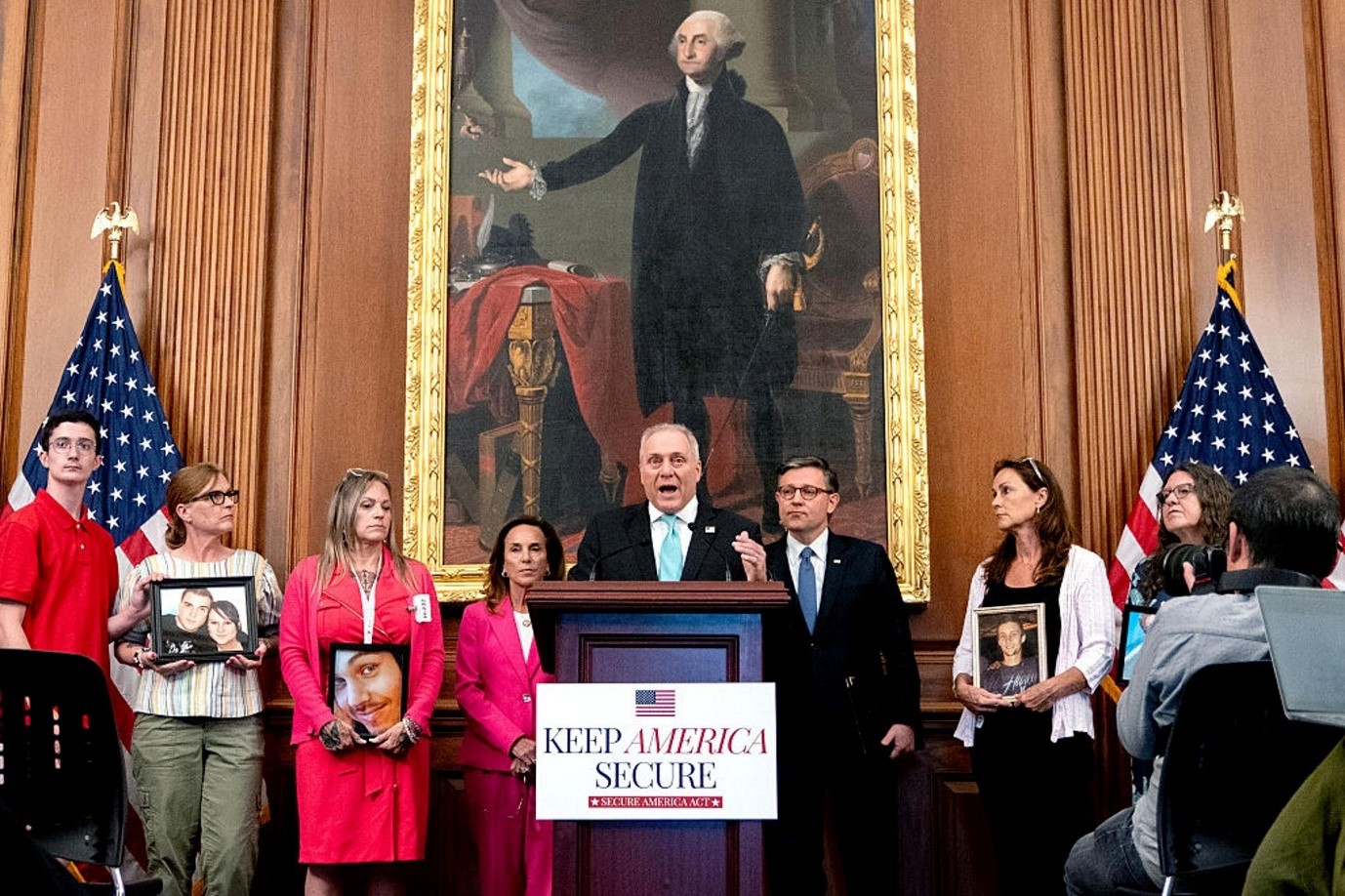
The structure of this package is significant in that it allows the administration to implement a multi-year financing mechanism that will support hiring, detention, transportation, and surveillance systems without needing to fight through a political battle year after year on the usual annual budget process.
Why the Vote Matters
The House bill was passed by the House of Representatives on a partisan basis. Despite unanimous bipartisan support for the bill, the Democrats chose not to support it.
Regardless of whether you agree with this immigration policy or not, the overall goal of immigration funding legislation is to provide stability to the agencies, contractors, and local governments involved in providing services to those who happen to be immigrants. A major source of funds will be provided to these entities, and when they are funded at this level, the institutions providing these services will be able to make more accurate assessments of their ability to conduct business as usual for the foreseeable future.
The Enforcement Machine Gets Bigger
When talking about growing this bill, the focus is not only on increasing hiring by increasing funds for border enforcement activities but also expanding the enforcement capabilities through improvements to the overall infrastructure used by ICE to enforce immigration laws (e.g., detention facilities, transportation vehicles, border personnel staffing/technology, etc.). All these improvements could lead to a faster processing rate for immigration cases or a more timely detention/removal of aliens by the government.
The broader implications of the enforcement policy are that they directly impact businesses, as employers will have increased compliance obligations, they may have to deal with a much larger volume of immigration-related cases in their own legal teams' workloads, and local/state government agencies may have an increased need to work with their federal counterparts on the coordination of ICE arrest operations. In essence, a vote in Congress to approve additional funding for these activities could very quickly turn into an operational issue thousands of miles away from Washington D.C.
The Business and Labor Angle
Once we move away from the general discussion of the way that a larger immigration enforcement budget can impact labor shortages in many industries, it becomes clear that many of these impacted industries are heavily reliant upon immigrant labor in agriculture, construction, hospitality and logistics. The mere expectation that immigration enforcement will be more stringent can change the behavior of employers with respect to hiring and subcontracting practices and create an atmosphere of concern among employees.
Establishing a compliance premium adds additional regulatory burdens to employers. Employers that utilize multiple staffing arrangements will need to be more vigilant regarding the completion of documentation, compliance audits and verification of eligibility to work. While the legislation will not cause businesses to change how they conduct their day-to-day operations overnight, it will have an impact on the risk assessments made by employers operating near the periphery of the immigration system.
The Politics Are Not Going Away
Prior to House passage of the legislation, it had already been passed by the Senate and is awaiting the president’s signature before becoming law. At this point in time, the policy direction has been effectively established but there is only the beginning of the political debate regarding this new legislation.
This situation illustrates how governance and messaging can come together simultaneously. Supporters of this bill believe that the current administration has taken decisive action with respect to border enforcement; while critics believe that this will be an extremely large public funding commitment to enforcement while the comprehensive immigration reform legislation remains unresolved. As a result, both of these perspectives will probably continue to shape how voters as well as employers and advocacy groups perceive the legislation.
The most important message here is that this vote is not symbolic but actual. By passing an immigration bill with $70 billion in funding allocated for its purposes, the House has provided an opportunity to influence the extent and amount with which the federal government may be enforcing immigration laws for many years to come.
Latest Posts