

Trump-Xi Summit Concludes With Cordial Tone as AI, Trade and Iran Remain Unresolved
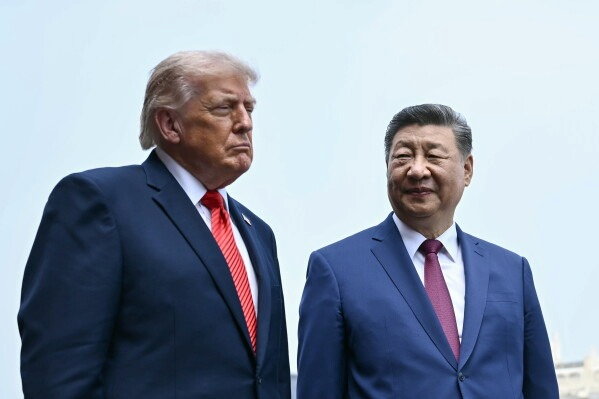
But artificial intelligence, Taiwan and China's relationship with Iran remain areas of significant disagreement. Reuters described the summit as heavy on symbolism but light on substantive breakthroughs. That makes the meeting less a grand reset in U.S.-China relations and more a continuation of an effort to keep competition from escalating while negotiations continue.
A Summit Built Around Stability Rather Than a Grand Deal
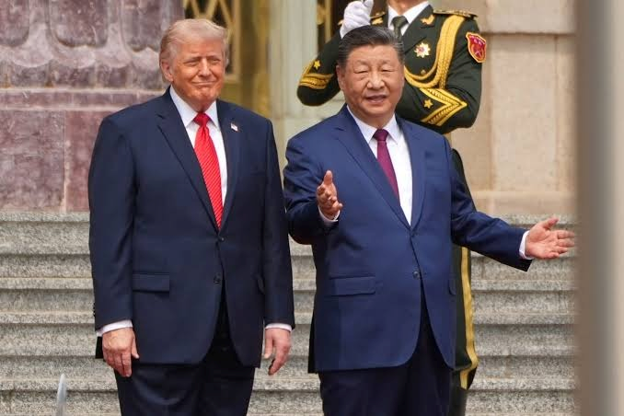
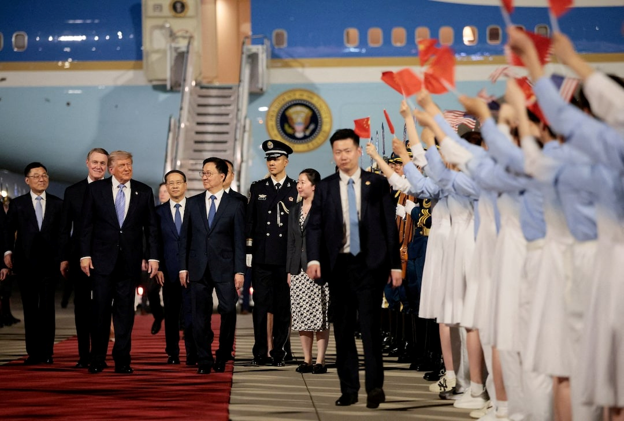
When Donald Trump welcomed Chinese President Xi Jinping to Washington, the optics were striking. The White House visit featured a formal welcome, military ceremony, state dinner and several highly visible moments between the two leaders. The atmosphere was notably more cordial than the rhetoric that has often surrounded U.S.-China relations. Trump spoke warmly about his relationship with Xi, while Xi emphasised that the interests of the world's two largest economies remain deeply connected. Both sides presented competition as something that should be managed rather than allowed to spiral into direct confrontation.
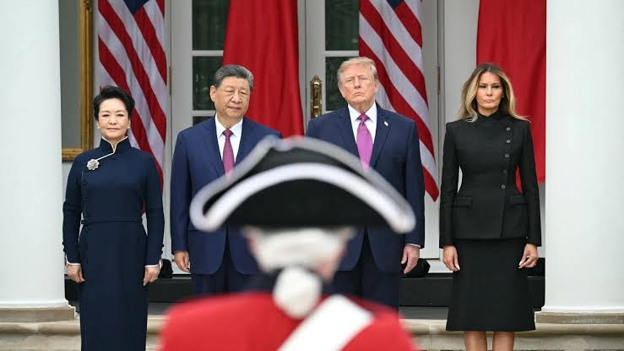
But the friendly tone shouldn't be mistaken for agreement. Behind the photographs and diplomatic language sit some very difficult questions about tariffs, technology, national security, Taiwan and the war involving Iran. Those disagreements haven't disappeared simply because the leaders were willing to sit together.
Trade Gets More Time, Not a Final Settlement
The clearest economic outcome was an extension of the existing U.S.-China trade truce. The arrangement, which was due to expire in November, was extended by two months, according to U.S. Treasury Secretary Scott Bessent. That gives Washington and Beijing additional time to negotiate broader economic issues rather than immediately returning to a more confrontational tariff environment. For businesses, that breathing room matters. Companies making products in China, importing Chinese components or selling into either market can plan more confidently when tariff rules are relatively stable. But a temporary extension isn't the same thing as a permanent trade agreement.
Several underlying disputes remain. The United States has raised concerns over China's industrial policies and export restrictions, particularly around strategically important materials and technologies. China, meanwhile, continues to object to U.S. tariffs and restrictions affecting Chinese companies. The trade relationship is therefore better described as managed uncertainty than resolution.
Artificial Intelligence Is the Bigger Strategic Battle
If tariffs are the immediate economic issue, artificial intelligence may be the longer-term strategic one. The U.S. and China are competing to build leading AI ecosystems, while simultaneously trying to reduce their dependence on each other in critical technologies. That includes advanced semiconductors, chip-making equipment, computing infrastructure and AI models. Washington has imposed restrictions on the export of certain advanced chips and semiconductor technologies to China. Beijing, meanwhile, has accelerated efforts to develop domestic alternatives and strengthen its own technology supply chain.The unusual part is that financial and commercial connections haven't disappeared despite the political rivalry. Reuters reported that U.S. investment banks have continued participating in Chinese technology listings, while Chinese investors maintain significant exposure to U.S. technology stocks. That creates an awkward reality. The governments are trying to limit strategic dependence, while businesses and investors still see enormous commercial opportunities on both sides. The summit produced discussion around establishing an AI dialogue mechanism, including conversations about safety and potential crisis communication. But the fundamental disagreement remains: Washington wants guardrails around technologies with national-security implications, while Beijing is unlikely to accept restrictions that it sees as limiting its technological development.
Iran Adds Another Complicated Layer
The war involving Iran has created another area where U.S. and Chinese interests overlap without necessarily aligning. China is a major energy consumer, so prolonged disruption in the Middle East can have direct economic consequences for Beijing. Higher oil prices can increase costs for Chinese manufacturers, transportation companies and households. At the same time, Washington's approach to Iran remains fundamentally different from Beijing's. China has maintained diplomatic ties with Tehran and has signalled an interest in preventing the conflict from spreading further across the region. Xi therefore has a potential diplomatic role to play, but that doesn't mean Beijing and Washington share the same objectives. Ahead of the summit, Chinese officials had already been engaging with Iran, while analysts suggested Trump could seek Chinese help in influencing Tehran. The summit did not produce a publicly announced breakthrough on Iran. That leaves the issue open, particularly as energy markets remain sensitive to developments across the Middle East.
Taiwan Remains the Most Sensitive Issue
Of all the unresolved questions between Washington and Beijing, Taiwan remains one of the most politically and militarily sensitive. China considers Taiwan part of its territory and opposes moves toward formal independence. The United States maintains an important relationship with Taiwan and has approved major arms sales to the island, while Washington's long-standing policy deliberately leaves some aspects of its potential response to a Taiwan conflict ambiguous. That makes every Trump-Xi meeting particularly important. The summit did not produce a major public shift on Taiwan. Analysts had expected Xi to raise the issue, while Trump had previously described U.S. arms sales to Taiwan as a negotiating tool in discussions with China. For businesses and markets, the significance goes well beyond diplomacy. Taiwan is central to the global semiconductor supply chain, meaning a serious deterioration in cross-Strait relations could have consequences far beyond East Asia.
Why the Friendly Tone Still Matters
It would be easy to dismiss a cordial summit as mostly ceremonial. That would miss an important part of diplomacy. When two countries are strategic competitors, simply maintaining direct communication can have practical value. Regular meetings give leaders opportunities to clarify intentions, reduce the risk of misunderstandings and establish channels for managing unexpected crises. The May and September meetings between Trump and Xi are part of a broader effort to maintain what Chinese officials have described as “constructive strategic stability.” That doesn't eliminate competition. It creates a mechanism for managing it. In a relationship involving trade worth hundreds of billions of dollars, advanced military capabilities and increasingly consequential AI technology, even limited communication can matter.
What the Summit Means for Global Markets
Markets are unlikely to interpret the summit simply as “U.S.-China relations are better.” The more relevant question is whether the two governments have reduced the immediate risk of another escalation. For global businesses, the short extension of the trade truce provides additional breathing room. For technology companies, however, uncertainty around semiconductor restrictions and AI remains. For investors, the continued financial links between the two economies show that complete economic separation remains difficult, even as policymakers pursue greater strategic independence. The consequences extend to countries such as India as well. India competes with China in manufacturing and technology while also benefiting from global supply-chain diversification. If U.S.-China tensions remain manageable, companies may continue pursuing a “China plus one” strategy gradually. If tensions escalate again, the pressure to diversify supply chains could become stronger, potentially creating opportunities for other manufacturing hubs. That outcome, however, depends on how the relationship develops beyond the summit.
The Bigger Story Is What Happens Next
The Trump-Xi summit did not solve the central disputes between Washington and Beijing. What it did was buy both sides more time. The trade truce has been extended. Dialogue on AI remains possible. Personal communication between the two leaders appears intact. But the difficult questions surrounding technology, Taiwan, Iran and the structure of future U.S.-China trade remain unresolved. That may sound underwhelming compared with the scale of the summit, but diplomacy between major powers rarely produces a neat ending. For now, the relationship appears to be moving toward a model of controlled competition: cooperate where both sides see an advantage, negotiate where interests overlap, and continue competing where national-security priorities collide.mThe real test won't be the warmth of the handshake in Washington. It will be whether that cordiality survives the next tariff dispute, technology restriction or geopolitical crisis.
FAQs
1. What was the main outcome of the Trump-Xi summit?
The most concrete economic outcome was the extension of the existing U.S.-China trade truce by two months, providing additional time for negotiations. Major disagreements over AI, Taiwan and Iran remained unresolved.
2. Did Trump and Xi reach a new AI agreement?
The two sides discussed AI and the possibility of an AI dialogue mechanism, but the summit did not resolve the broader disagreement over technology restrictions and AI development.
3. Did the summit resolve the U.S.-China trade dispute?
No. The trade truce was extended, but the underlying disputes over tariffs, market access, exports and technology restrictions remain.
4. Why is Taiwan important in U.S.-China relations?
Taiwan is a major point of disagreement because Beijing claims sovereignty over the island while the United States maintains close unofficial ties with Taiwan and provides it with defensive arms. Taiwan's importance to the global semiconductor industry also gives the issue major economic significance.
5. Why does the Trump-Xi relationship matter to the global economy?
The United States and China are the world's two largest economies and are deeply connected through trade, investment, manufacturing and technology. Changes in their relationship can affect tariffs, supply chains, commodity markets, technology companies and investor sentiment worldwide.
Latest Posts