

Trump Names Tom Barrack Special Presidential Envoy to Syria and Iraq
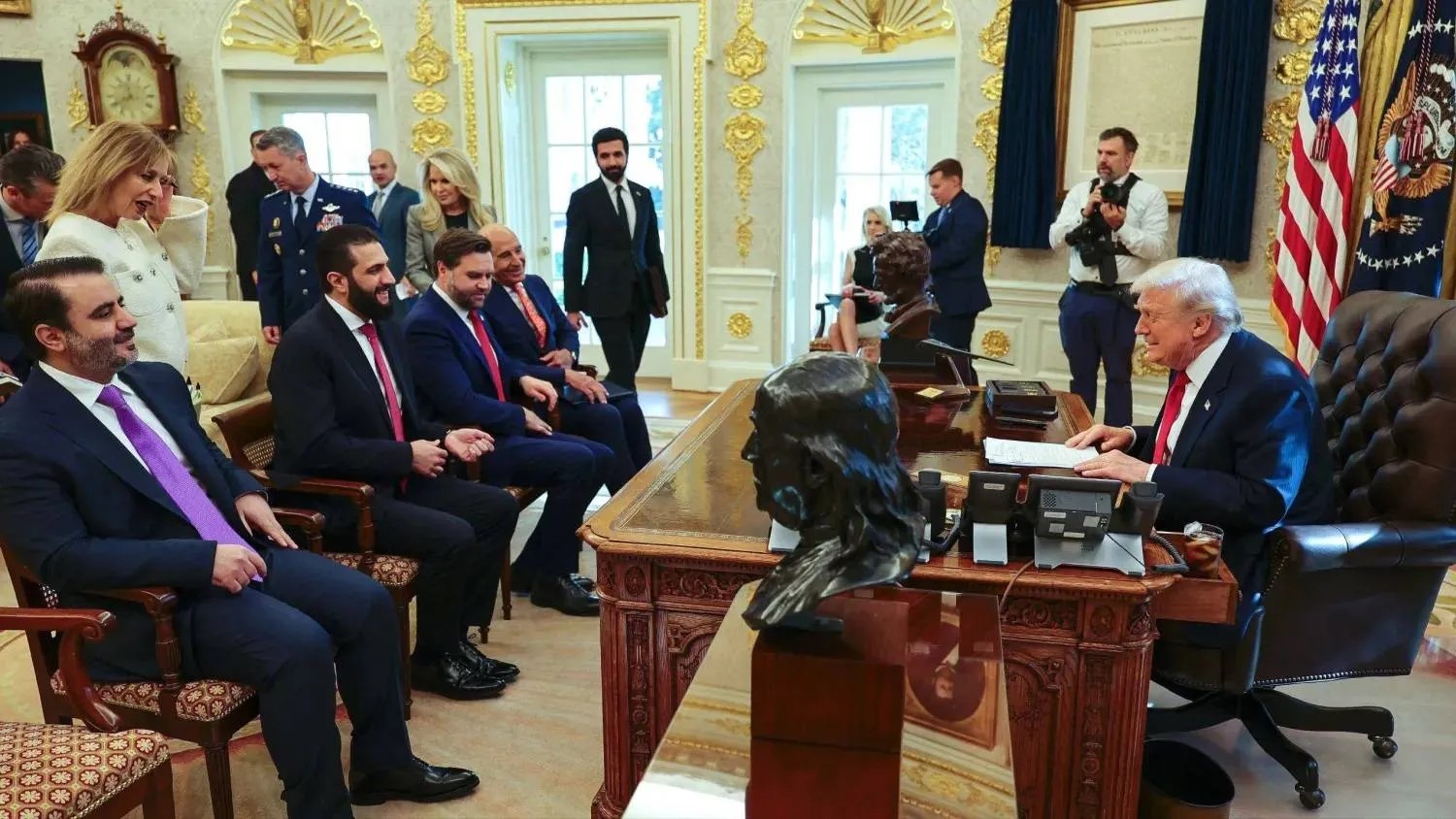
This indicates that Washington is seeking one operator who has close ties to both countries to represent the U.S., during a time when both of these regions are experiencing political instability in Syria and Iraq.
Why this appointment matters
While the headline of this article doesn't completely change the role that Barrack was previously holding as the Ambassador to Syria, the opening says that the White House has combined his existing role with the new position of Ambassador to Iraq. Therefore, since both Syria and Iraq are so interconnected in many ways (such as security, borders, militia networks, refugees, etc.) especially because of the influence of their regional neighbours, it makes sense that having one ambassador deal with the issues related to both countries would provide a more coordinated approach to all of the interrelated problems that exist between them.
The expanded scope of Barrack's mandate is of importance because it illustrates an intrinsic instinct of Washington DC politics when regions are unstable; the White House prefers fewer intermediaries as well as tighter coordination. The truth is that the two countries of Syria and Iraq must be understood as one, because of the many different levels of security spillover - due to conflict - from one country to the next, militia connections and influence in both countries from outside players, and the ways in which outside regional players engage with either country.
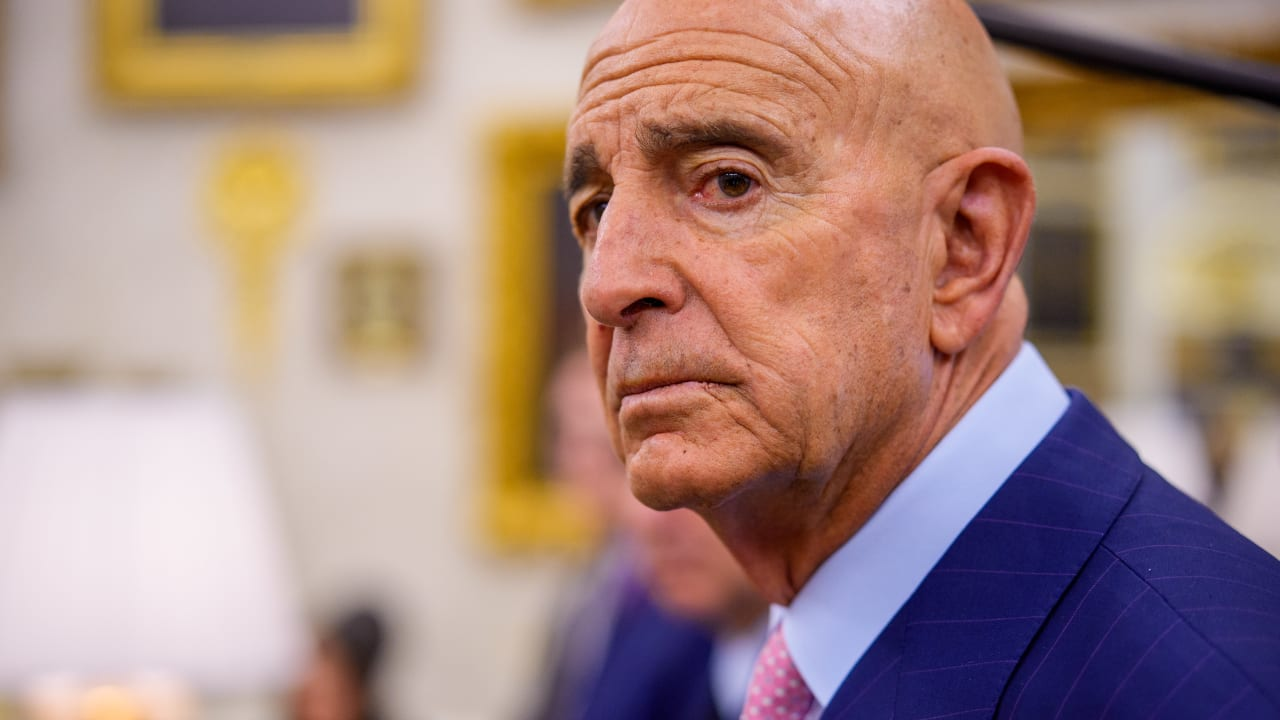
The appointment of a single special envoy to deal with both countries suggests the Administration's desire to have a more unified diplomatic approach than it has utilized; this makes it difficult, however, to determine how distinct these challenges are from one another, making this continuing situation complicated.This decision is essentially functional, but it also raises the stakes involved.By assigning the same person to oversee both portfolios, it will be easier to assess if any progress is being made and/or whether it was unrealistic to expect different outcomes from working with essentially two separate areas.
The business and policy angle
For an audience that is digitally-minded and understands business, this isn't simply about people. Changes to diplomatic staff very often impact how quickly sanctioned regulations are implemented, how easily reconstruction can be done, how energy and investment will be coordinated, and what the general expectations of businesses will be.
When Washington shifts its financial and political stance on international issues (i.e., when it sends a signal like "we are going to be more active in international issues"), those involved in the marketplace and at the regional level will keep a close eye on whether trade, security, or aid will change as a result.
Iraq is a very good example of this as international firms look at three areas when determining whether to invest in Iraq: energy output, foreign investment, and political stability. Syria is also a good example of this as any diplomatic agreement in Syria can impact their ability to provide foreign aid, discussions about reconstruction, and how much capital (both for humanitarian purposes and for infrastructure projects) can be safely sent.
Who Tom Barrack is in this setup
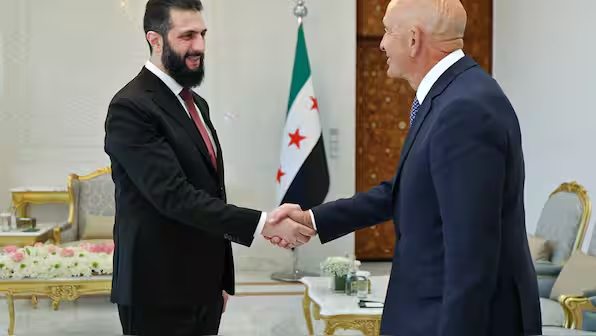
Barrack isn't new. He has been working in Türkiye. He has also been an envoy to Syria, continuing to serve in both roles was Alliance's true significance in creating a positive impact on U.S.-Turkish relations and regional stability. It made it possible for one person to perform the same function in Ankara, Damascus, and Baghdad without the need for numerous, occasionally incompatible envoys.
This type of consolidation should enable the U.S. to remain responsive in its ability to address events as they occur. On the other hand, if several issues occurring simultaneously create disagreements between countries, or in some cases, with different factions/individuals, it could create a bigger problem if there is only one person who holds multiple sensitive documents. Regardless, it seems to the administration that maintaining continuity is more advantageous than having separate positions.
The regional context is complicated
The appointment of someone like Mr. Barrack as the special representative for Syria, Iraq, and neighboring countries should not be undervalued given the lack of progress made in establishing stability in either nation and the difficulty of maintaining equilibrium in each of those environments due to conflicting regional dynamics.
As the official in charge of the U.S. government's relationship with the two countries, Mr. Barrack's expanded authority will give each country the chance to better understand its own influences within the other while coordinating U.S. assistance for both countries individually.ikewise, with Mr. Barrack receiving additional powers through his redefined authority; there exists a great opportunity for him to facilitate establishing a partnership between both countries in order to achieve their common goals. Furthermore, this could lead to the formation of alliances between both countries as well as their surrounding neighbours who may want to join forces with them to establish peace and security throughout the entire Southern and Eastern Asian region, including Afghanistan, Iraq; and North Africa.
Latest Posts