

Trump Hikes Global Tariffs to 15% Following Court Defeat
Breaking Down the Supreme Court Curveball
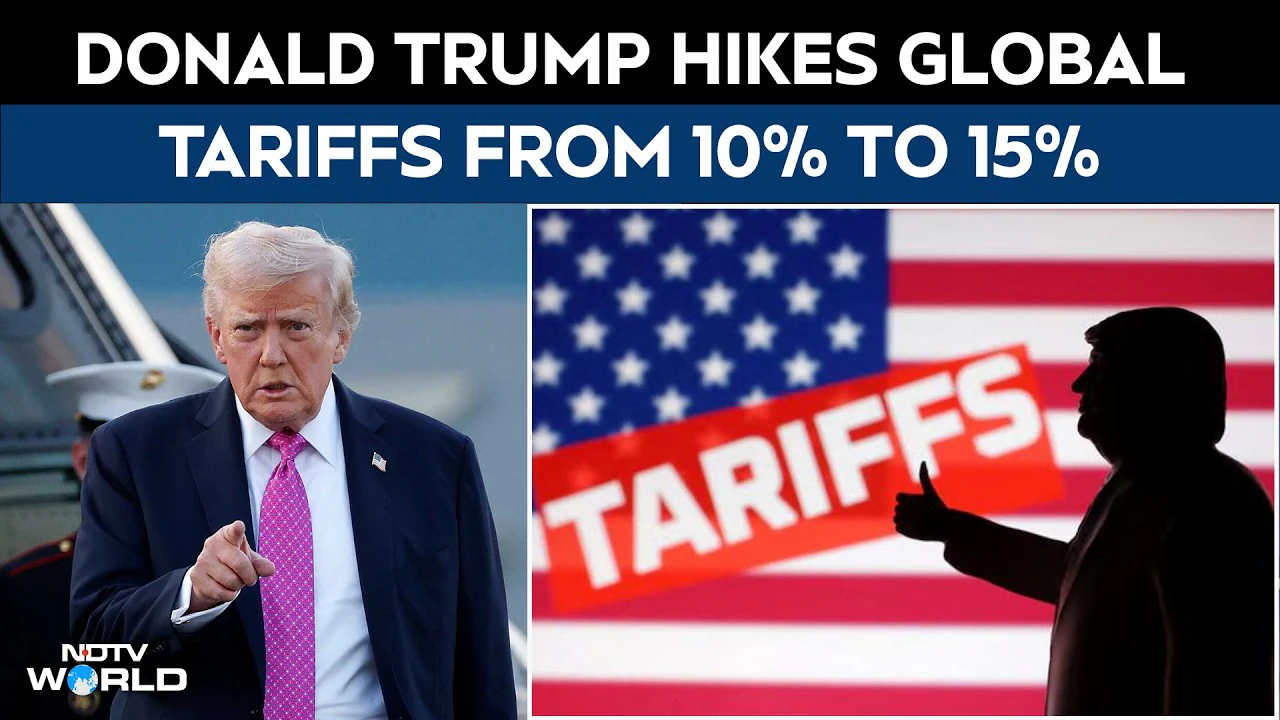
Last Friday, the Court ruled against Trump’s use of “reciprocal tariffs” under the Emergency Economic Powers Act by six votes to three. Chief Justice Roberts provided a majority opinion clarifying that the president has no authority to impose duties upon an entire economy without congressional approval. The tariffs were announced several weeks ago, resulting in $133 billion collected thus far, and now importers seek refunds of those duties.
Trump did not hold back in his Truth Social post — he called dissenting justices “fools” and expressed disappointment in conservative justices who voted against him. The decision effectively preserves targeted tariffs against steel (25%) and aluminum (10%) but will eliminate the president's ability to use this broad emergency authority in the future. The potential for billions of dollars of refunds to be tied up in limbo for several months will further stress the cash flow of importers who are already nervous.
Section 122: The Quick-Fire Tariff Weapon
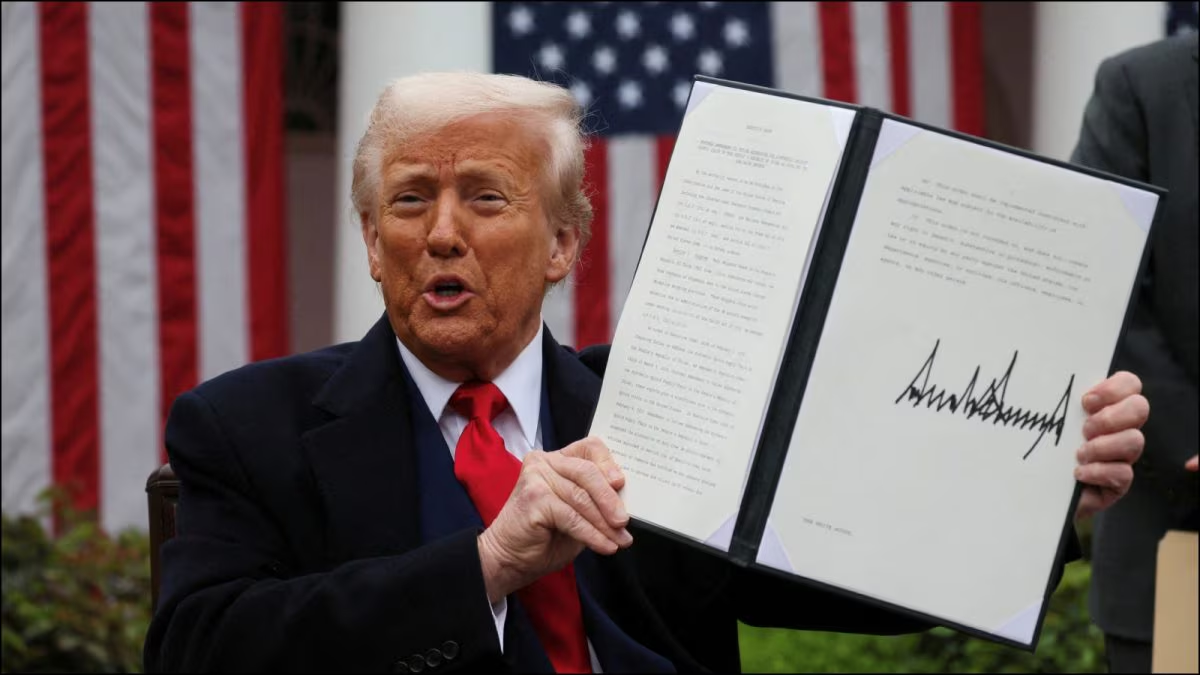
With his characteristic aggressiveness, Trump has invoked Section 122 of the 1974 Trade Act, an unutilized provision since Nixon’s presidency, for “balance of payments” deficits. This provision permits tariffs of up to 15% for a 150-day period without congressional action. On Saturday, 2/24, the original tariff of 10% was raised to 15% amongst most of the United States' trading partners.
Certain exemptions mitigate the impact of the tariffs selectively. For example, the critical minerals used to create batteries, the imports of energy and certain pharmaceuticals that are under review, and goods manufactured in accordance with the USMCA that are shipped from either Canada or Mexico, are all exempt from the tariffs. The negotiated agreements also received modifications; for instance, India’s tariff remains at 10% for the time being while the UK and EU will pay the full 15% of the pre-established tariffs. There are rumors of possible litigation regarding the new tariffs, however, since the 150-day period before the tariffs go into effect gives some amount of time for breathing room.
Supply Chain Shockwaves Hit Hard

It's all in the numbers. As a direct result of the 15% tariffs on the $3 trillion of annual imports, manufacturers will likely experience additional expenses of $450 billion for landed costs—and therefore pass along 5% to 10% of that increase in consumer prices or into very tight profit margins. Retailers, by industry—apparel and consumer electronics retail—are preparing to suffer from this pressure and have already viewed accelerated strategies for returning production to the U.S. as methods to mitigate the pain of these tariffs.
Reactions from around the world are coming quickly. According to a report by the BBC, India has suspended trade talks with the U.S., due to the unpredictability of the situation. China has now begun to retaliate against the U.S. by launching an investigation into their agricultural products that are sold to China. The European Union is also preparing for imposing similar tariffs on US imports, mirroring US tariffs.Businesses are under pressure to hold either $133 billion in unpaid tariffs or to wait longer to be reimbursed; thus, they will have to extend their credit lines and deplete their inventory until they receive their checks.
Sectors Facing the Sharpest Edges
All industries will have had to swallow their pride; however, many will be hurting far more than others. There are certain segments, such as smart handhelds and laptops, which may see growth rates reach 10%-12% due entirely to the devastation of their Asian supply chain. Prices of car parts may increase by 5%-8%, while apparel retailers can expect an hke of 12-15%. Along with this, rapid change in imported cost is also inevitable. Companies that are counting on inexpensive services will be put under pressure in the fast-fashion industry.
On the other hand, there are winners as well: Steel-related manufacturers in North America should see increased orders; oil marketers have more breathing room without the ability to charge duties on oil sold to Canada; and farmers are watching with anxiety because of the risk that their soy or corn may lead to countervailing duties being imposed by various countries. According to the researchers of Goldman Sachs, this trend is likely to be continued for an extended period of time, where each will represent a 0.5-1% loss in Gross Domestic Product. Alongside inflation will also see a hike between 2-3%.
Actionable Plays for Business Resilience
It is time to act. Start with a comprehensive supply chain audit to determine where vulnerable spots are located by country and category with an emphasis on Mexico and Vietnam as replacement locations for China. A number of sources that support nearshoring have reported that shifting business to these countries has reduced risk levels between 20%-25% for early movers.
Improve hedging strategies through utilization of forward contracts on currencies or establishing a diverse supply base across supplier tiers. Join forces with trade associations that represent your sector for carve-outs — especially for pharmaceuticals and semiconductors (these sectors are already experiencing some gains).
Trump continues to tease new tariffs that may be implemented in a more "legally responsible" manner that focus specifically on eliminating trade deficits between the United States and other countries.
The Broader Trade Chessboard
This feels like 2018 redux, but with sharper edges and post-ruling speed. The goal? Force bilateral deals, revive US manufacturing hubs. Detractors highlight inflation risks and ally friction, yet adapters spot openings in domestic capacity builds.
Uncertainty defines trade now, but foresight wins. Your chains can weather this—pivot early, stay agile. The prepared turn policy jolts into competitive edges.
Latest Posts