

Transatlantic Diplomacy G7 Summit Kicks Off in vian
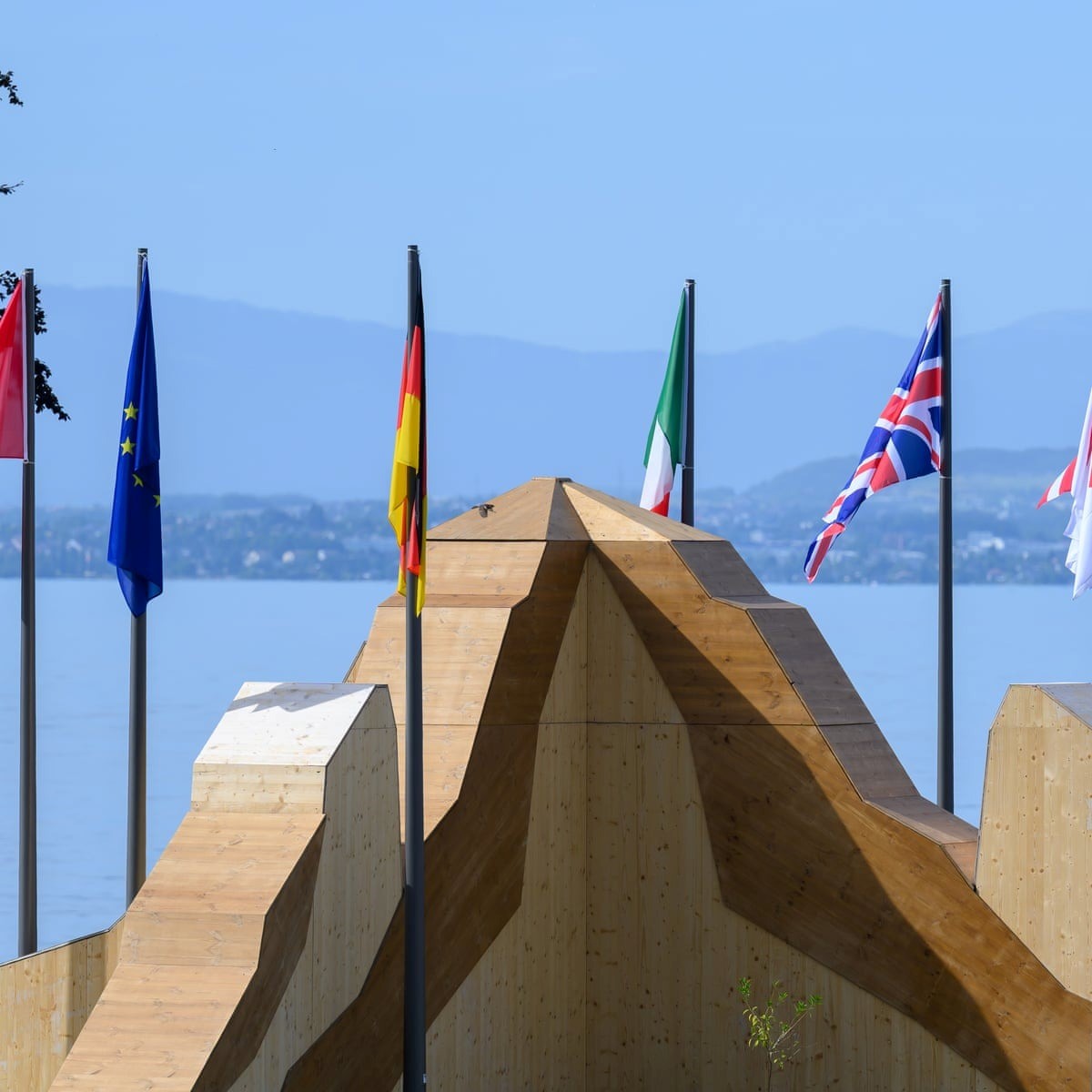
This year's meeting has more weight than at previous summits as the business sector will view it very closely because of the large volume of issues regarding energy, trade, artificial intelligence and security will be included at the same time.
Why Évian Matters
Evian doesn't merely provide beautiful surroundings as the host city for a Lake Geneva summit, but creates an atmosphere conducive to controlled dialogues between leaders who need to show the world they are united without hiding their differences. As the host of the 2026 summit (June 15 to 17), France made the decision to place the summit on the edge of Europe, as close to Switzerland as possible so as to take into consideration the day-to-day realities associated with coordinating across several borders.
This atmosphere is particularly important in that the G7 summit is performing what it does best - it is condensing a great deal of global tension into a very public three-day meeting. The 2026 agenda is already being constructed around four major issues - Iran, Ukraine, global economic disparity and digital regulations - which leads us to conclude that this is not a ceremonial meeting.
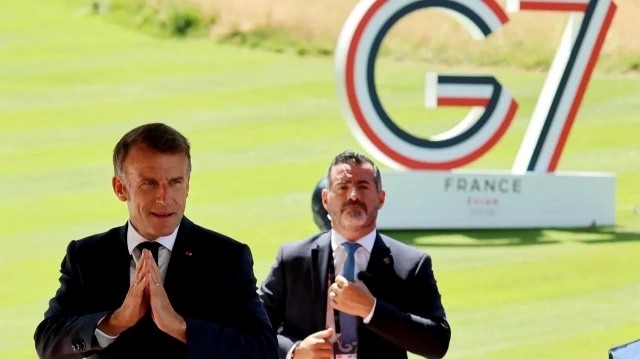
The Transatlantic Mood
The transatlantic relationship faces challenges this year across multiple fronts including geopolitics and economics. U.S. President Donald Trump has announced a deal intended to bring an end to the war with Iran; therefore the conversations at the summit will likely center on how the Allies view this step: is it stabilizing or unilateral?
This creates tension within Europe. The summit is designed to exhibit unity among Western nations; however, this unity will be challenged by fundamentally different security expectations, trade practices and attitudes about U.S. influence across the NATO Alliance. Thus, the early sessions of the summit will establish whether or not leaders are able to work together toward common objectives or, alternatively, persist in the mere, polite management of their differences in a publicly acceptable manner.
Business Implications Are Immediate
G7 summits have an important place in markets and companies; they not only create headlines, but they directly impact the policy climate. Whether the political leaders make more clear on energy security, digital rules and trade coordination at the summit; all of these areas can impact everything from how commodities are priced to how long companies plan to invest.
With the increasing risk of geopolitical uncertainty leading to a rapid change in supply chains, summit activity generates signals that are important even if they are unclear.
For companies operating in both the U.S. and Europe; the developing transatlantic diplomacy angle is particularly important for them. A more positive tone on cooperation will mean there will be less uncertainty with respect to export controls, capital flows, and sanctions. Conversely, if they take a more fragmented approach to diplomacy, it will create the need for companies to provide for a more uneven regulatory and more volatile energy market moving forward.
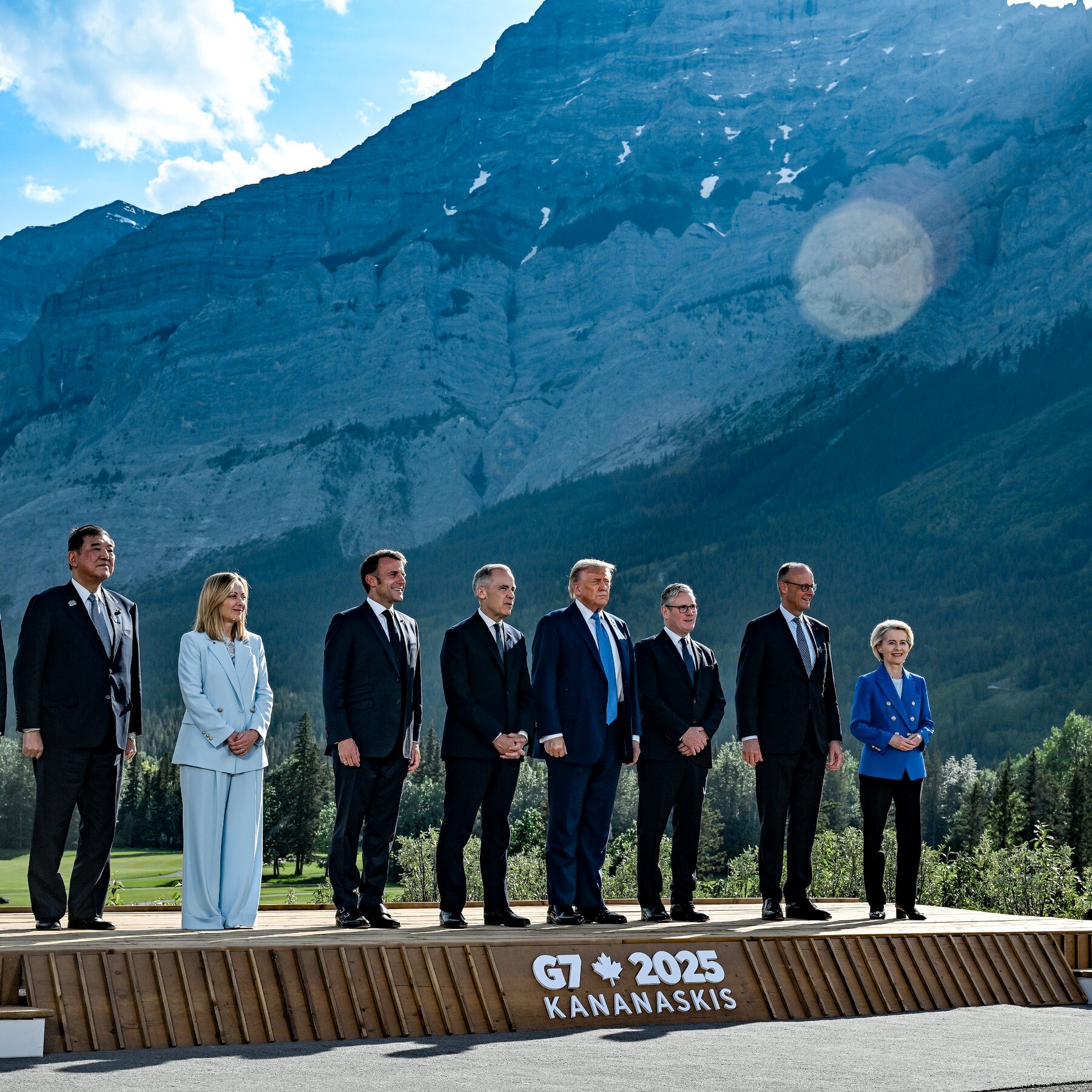
What Is on the Table
As per reports made during the first day on schedule of the summit, today's agenda will include topics like limiting global economic imbalances, improving digital oversight, and dealing with AI issues as well as discussions about more urgent geopolitical issues ie Iran and Ukraine. This mixture of topics indicates to us an evolution of the G7 from being a group that deals strictly with macroeconomics to being a group that deals mainly with crisis management and also has some technology policy being developed.
It is significant for companies and businesses to consider because digital policy issues have evolved from being a niche subject matter into becoming mainstream boardroom conversations. With discussions taking place about Digital Policy by way of the G7, it usually indicates to us that the enforcement of National Policy is likely to follow soon thereafter.
The Old Évian Lesson Still Fits
This brings to mind a moment in history; the 2003 meeting in Evian was another important reference point for leaders, showing that leaders can create reconciliation between them, even if they still do not agree on many things. The procedural value of proceeding to obtain such opportunities is effective even if very few substantive agreements are going to come out of it. And that is still valid today.
To put this into perspective, the value of the summit isn’t just in the agreements that come out of it, but also in the opportunity it gives leaders to start fresh. The three-day meetings these leaders have with one another give them the opportunity to push the limits of their authority, gauge trust and see if there is still going to be an alignment of policies while so many outside forces are working against them.
What to Watch Next
In the coming days we will find out if Évian is about harmony, or just prudent negotiation - if the G7 leaders come up with language about Iran, energy security, or AI governance the business sector will view the event as evidence that G7 continues to have some influence. Meanwhile, should the summit result in a statement of general unity, markets will likely see this as an example of how the West has become so fragmented in view of the global political scene.
Either way the summit will serve the purpose of an effective summit, forcing leaders to make them clearer concerning their consensus. And the importance of this type of clarity in a year of heightened political uncertainty and unease cannot be overstated.
The bottom line is very clear: The Évian Summit is much more than a diplomatic meeting, and is serving as a real-time demonstration of how they intend to deal with domestic and global risks, and, as a result, it has a significant effect far beyond the summary mentioned above.

Latest Posts