

The Toll Booth of the Sea Irans New Multi-Billion Dollar Plan for the Strait of Hormuz
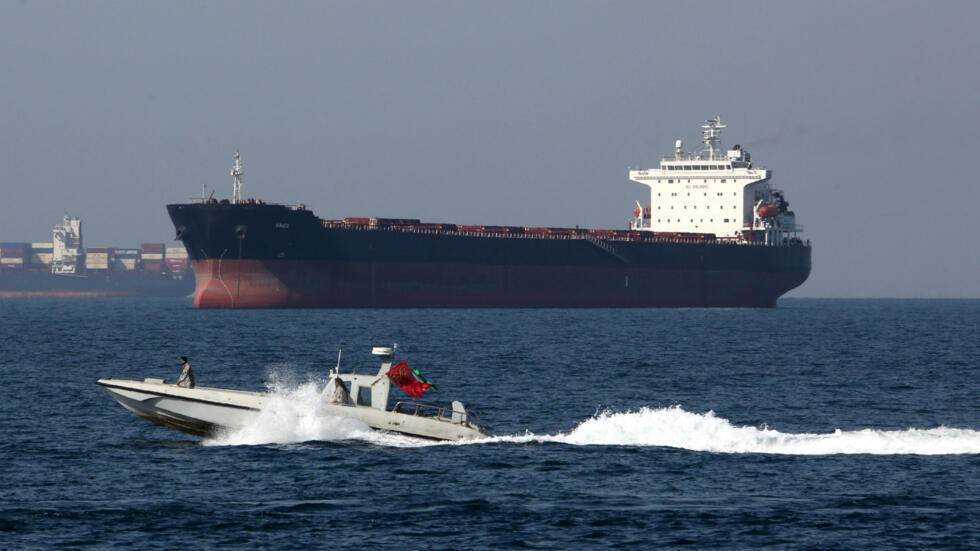
With 20% of the oil & gas that the world uses (approximately 40 million barrels every day) moving through these waters, Tehran is attempting something that not only provides themselves billions of dollars in revenue but will change the way energy is produced, cost for shipping, and alter the balance of power within that region, immediately.
From Blockade to Business Model
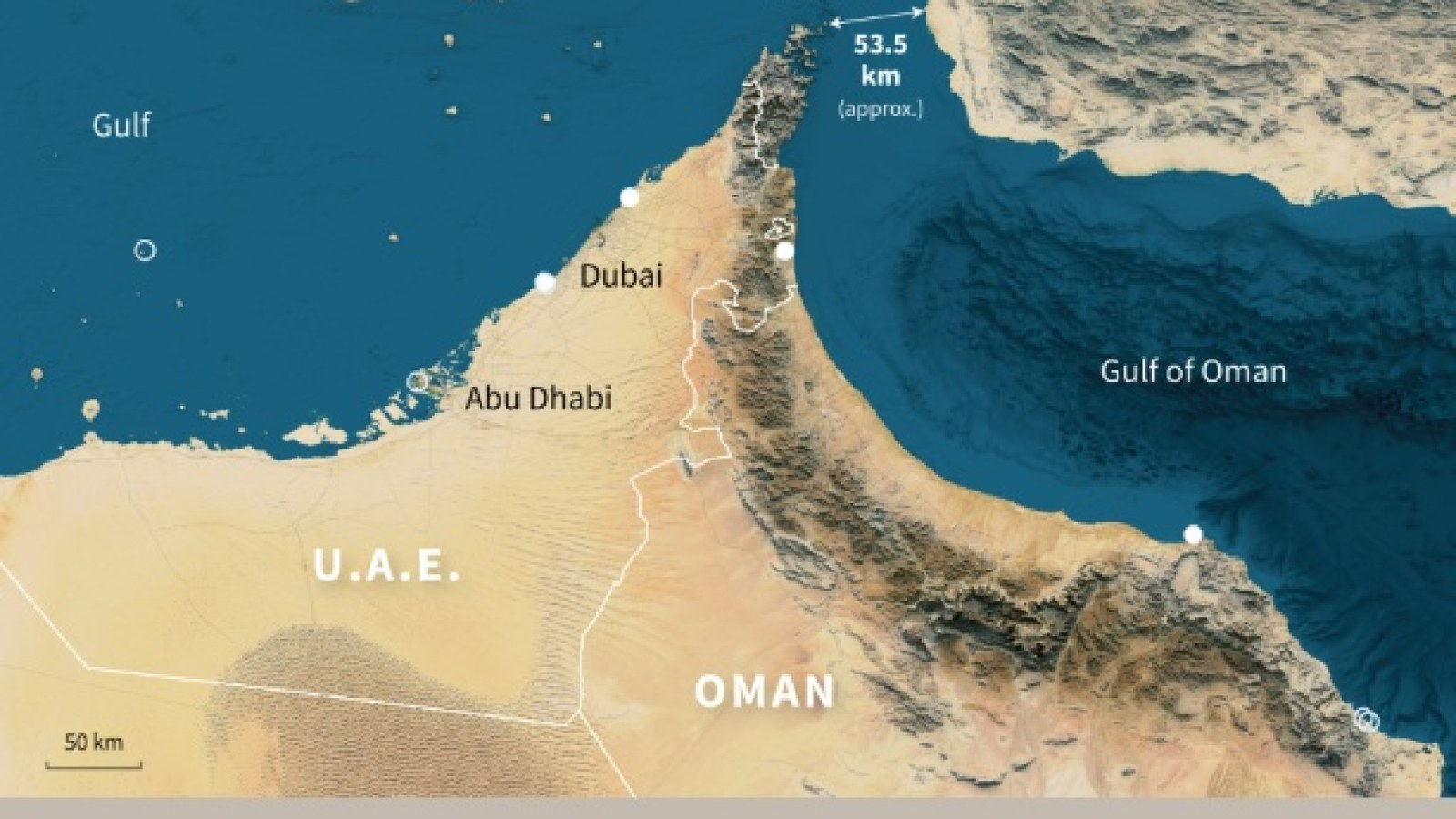
The history of toll-collection by Iran is an evolution of a process initiated by the IRGC during a recent war in which the Strait of Hormuz was closed for several weeks and where the IRGC was the final arbiter for all ships transiting through the strait, providing selective permission for passage to its allies China, India, and Iraq. With the resumption of commercial shipping activity through the region, there is now a defined scheduled tariff structure being implemented with charges of up to US$2 million/per vessel (the "risk fee") to pay for "safe passage" through Iranian waters, specifically as it relates to a newly created route between the islands of Qeshm and Larak.
The tariff structure is currently being considered for ongoing implementation as Iranian lawmakers are introducing formal legislation to provide for ongoing implementation as an indemnity for Iran to "maintain regional security". There is public support for the tariff structure from Iranian government-controlled media outlets such as Javan, which are indicating this could be Iran’s “ace in the hole” in recouping losses due to the ongoing war, with Mojtaba Khamenei providing tacit approval for this project. Several non-Western flagged vessels have already made payments demonstrating the tariff structure was viable.
The Numbers That Matter
Now let's do some calculations. The Strait handles an estimated 21 million barrels of oil each day, along with large quantities of LNG (liquefied Natural Gas). If Iran charges, as a starting point, $100,000.00 per VLCC (Very Large Crude Carrier) during transit through the Strait, that amounts to $2 Billion annually in Oil Tolls. In addition, under conditions of "high risk" transits during times of tension, they can likely charge anywhere from $1 to $2 million each, creating at least another $5 to $10 Billion in new toll revenue for the trafficked waterways that Iran already patrols.
For shippers, this is not just a theoretical problem. According to Lloyd's List, commercial shipping traffic is diverted to the "toll route" to avoid delays as well as the potential of facing sanctions or legal actions by Western owners. Other pipeline projects like the Saudi East-West Pipeline and the Iranian Goreh-Jask Pipeline can provide alternative routes to avoid the Strait of Hormuz. However, none of them now have enough capacity to fully replace the Strait of Hormuz—leaving virtually every shipper with no other option.
Winners, Losers, and Risk Scenarios
Iran obviously wins in this situation as do China, which has secured energy flows, and other non-Western shippers who can pay without fear of sanctions. To the extent that Tehran gains cash and leverage, it could establish conditional discounts on toll fees dependent on OPEC+ compliance or relief of sanctions.
The immediate losers are tankers seeing increases of 5 to 10 percent in their freight costs, refiners in Asia facing higher costs to land their products, and major global trading houses re-evaluating their basis differentials.
The wild cards in all this are the possibility of legal challenges (the United Nations Convention on the Law of the Sea does not recognize the validity of one nation imposing a toll on an international strait), escalated sanctions from the West, or an increase in naval patrols to help ensure free passage. Iran’s Foreign Ministry has repeatedly stated that the strait will be “open to all except for enemies”; however, the term “open” is now up for negotiation.
What Businesses Need to Model Now
The Iranian Strait of Hormuz toll could be the next line item you'll include in your budget to account for in 2026 through 2027. Below are the three most likely scenarios:
- Base case: (60% probability) The toll stays at a range of $50,000 to $500,000 per transit, and it is accepted begrudgingly as a "Hormuz tax" like the fees associated with the Panama Canal.
- Stress case (25% probability): Escalation leads to the toll exceeding $1,000,000 and/or the blockade of vessels will result in a spike in Brent Crude prices of $10-15 per barrel.
- Breakout case (15% probability): A full multilateral military response to the situation will terminate the toll; however, it will result in a dramatic increase in the costs of marine insurance and the re-routing of marine traffic.
Traders and refiners operating in India are likely to feel the impact of this situation because 85% of India's crude oil is imported via Hormuz. Start modelling for the full impact of this situation now: having contracts will provide you no relief from the force majeure clause for delays in transit due to the "toll booth" being put in place.
The Bigger Geopolitical Signal
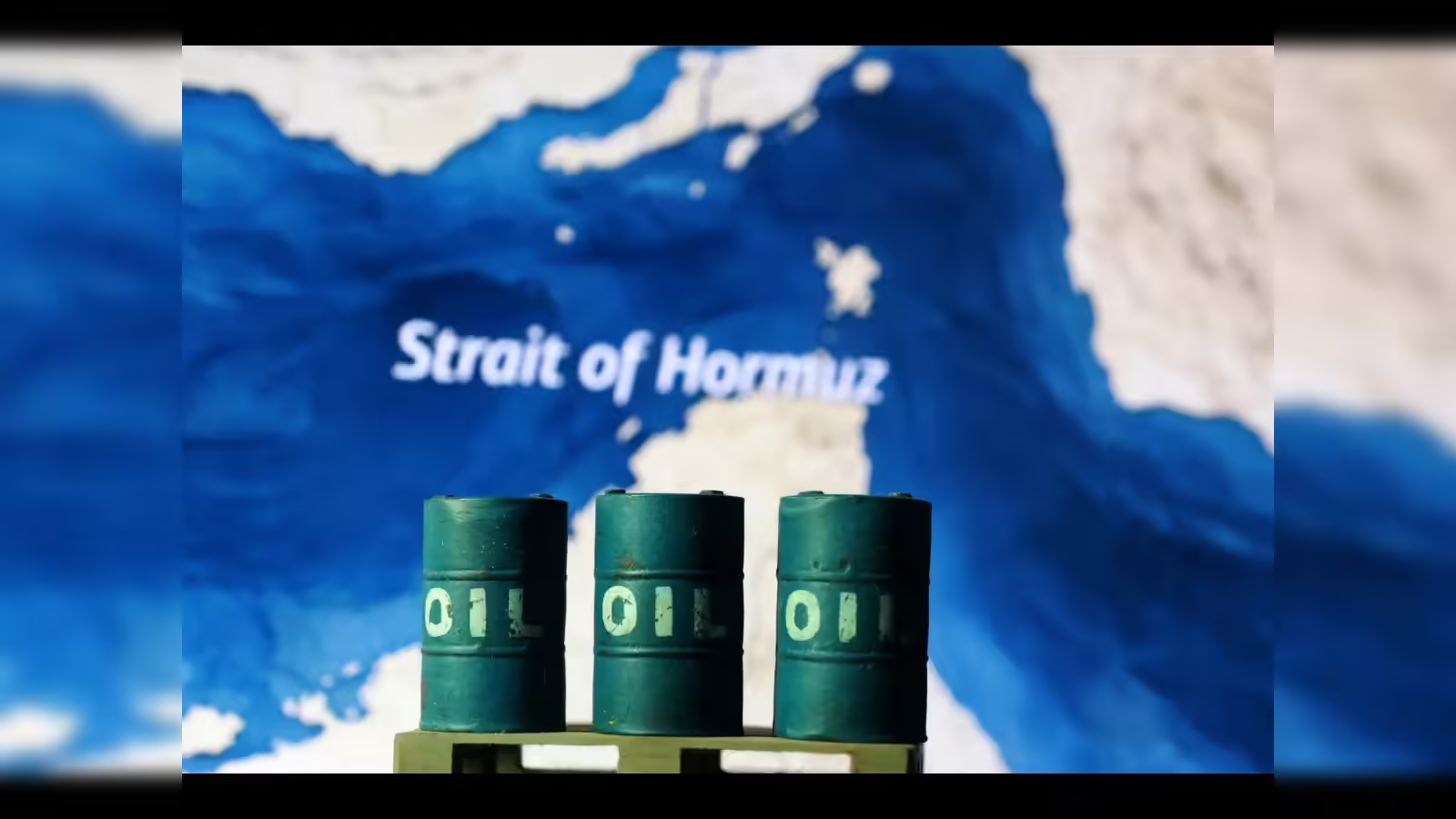
Iran's move demonstrates a level of confidence that has developed since the end of the war: take control of the pipelines and set the price. This is not just about getting immediate cash (which Tehran needs because of the sanctions) but rather about establishing a normalised level of sovereignty that relates to the commons on a world scale. If this works, other nations will follow suit, such as Turkey at the Bosphorus and Russia at the exits to the Black Sea. For the moment, the Strait of Hormuz has become more than just a choke point, it is now also a cash register.
Latest Posts