

The Three-Day Truce Ends Russia Resumes Strikes on Kyiv

For business-oriented readers, the main concern is not simply the military strike itself, but what it represents; a recent lull in both parties engaging in a more constructive manner does not decrease the risk of geopolitical tensions; there is little mutual trust between both parties (Russia and Ukraine) and therefore neither party has built sufficient momentum for true de-escalation.
What happened after the truce
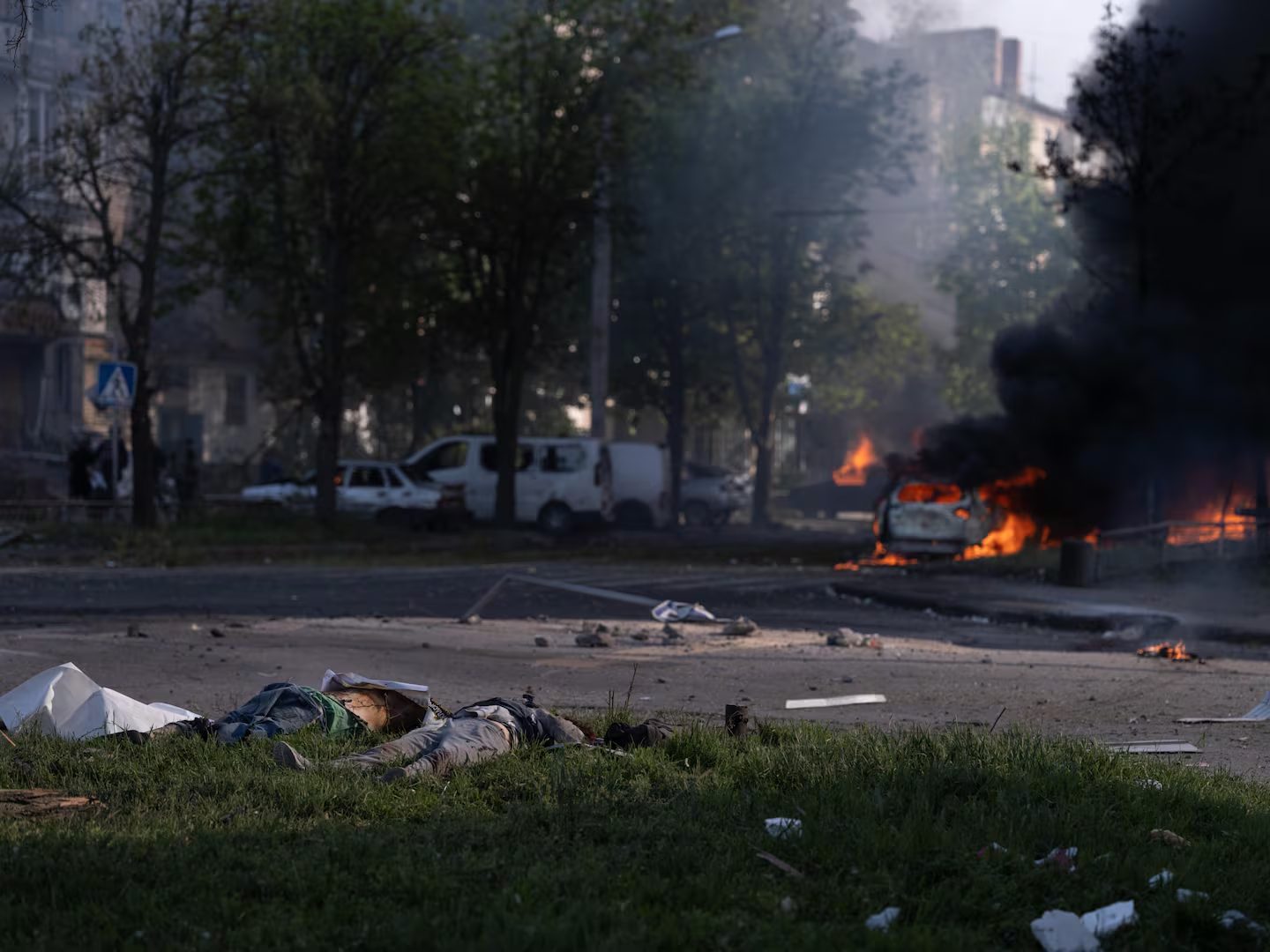
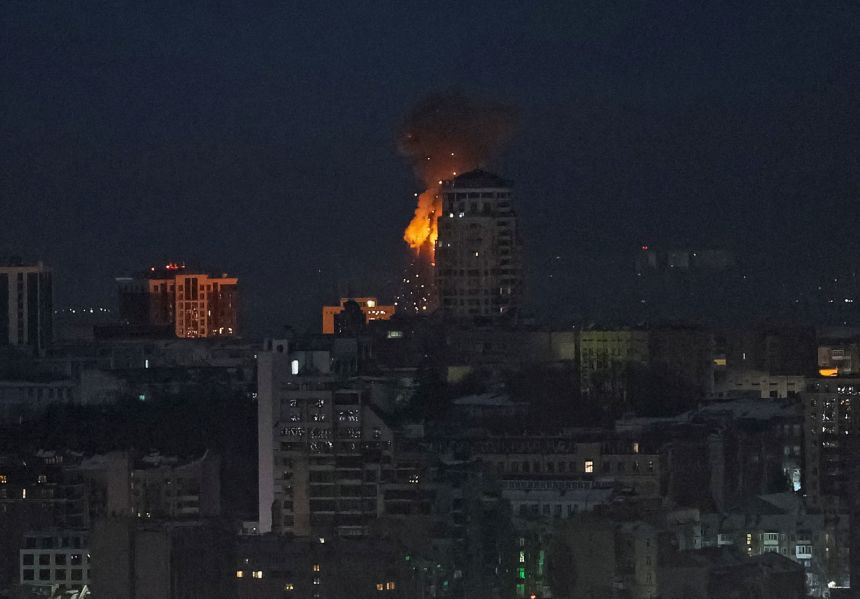
After the temporary ceasefire ended, Russia fired drones and missiles into Kyiv and all of Ukraine, while Ukrainian officials reported that pressure continued throughout multiple areas of Ukraine. Reports of deaths and injuries from the latest wave of attacks from regional authorities confirmed that these short pauses were very fragile.
The truce itself was always intended to be short-lived. It was not a genuine ceasefire, nor did it have any specific enforcement mechanism built to turn a truce into a longer-term solution. Therefore, when strikes resumed, this felt more like a confirmation than a surprise, pointing towards how far away both sides are from regarding diplomatic engagements as more than tactical movements.
Why the pause failed
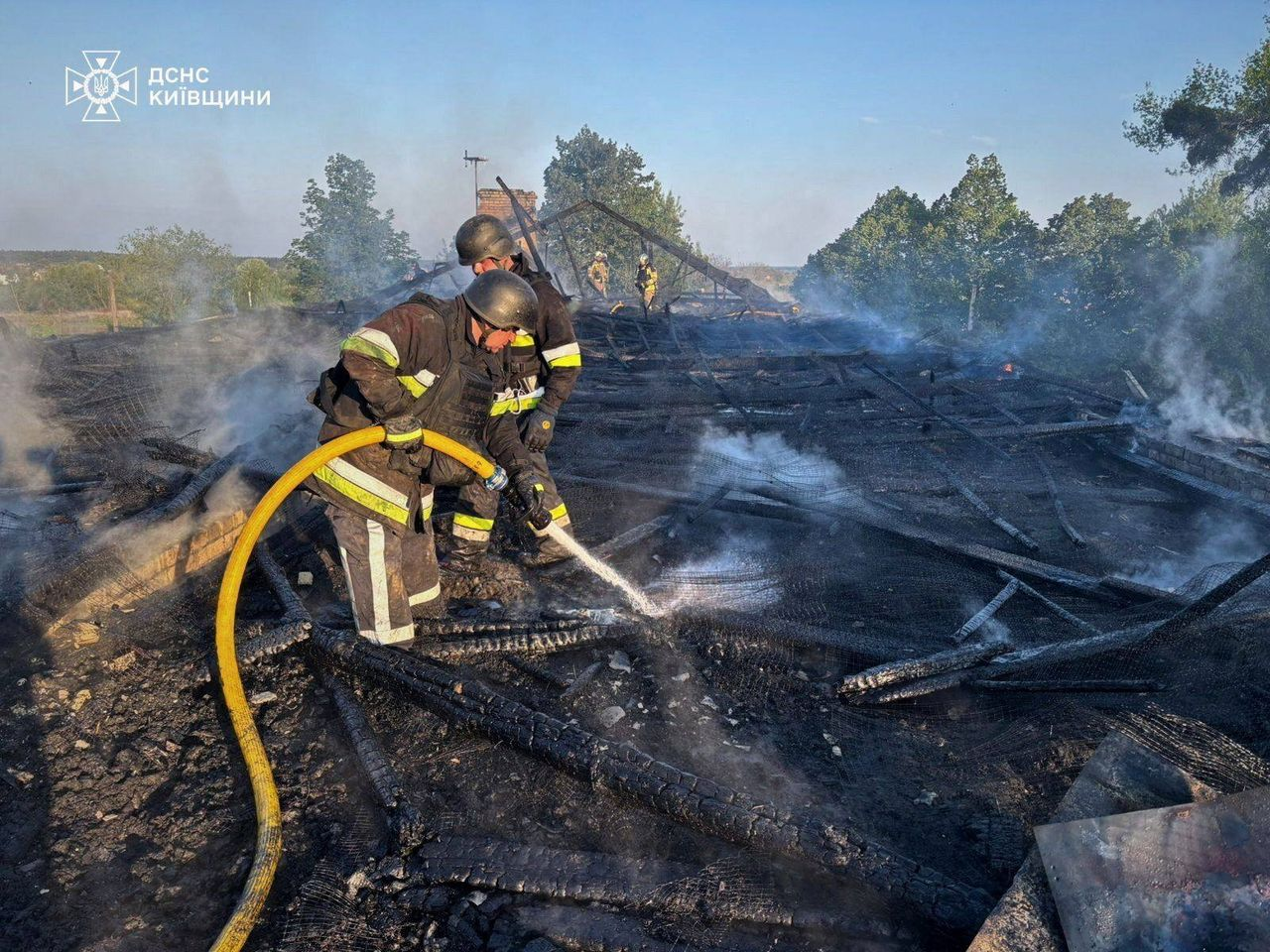
If there are no explicit political motivations supporting temporary cease-fires, they generally do not succeed. In this instance the goals of the parties to the cease-fire were not identical and there was little possibility for compromise, thus making any likelihood of success marginal. The Ukrainian party wanted verified reductions in the numbers of attacks against them, and signals that they will be able to continue meaningful negotiations for an end to hostilities; while the Russian party appeared to treat the cease-fire more as a symbolic gesture than one that would represent a change in their military operations.
The difference between the two parties' goals is important. A three-day cease-fire will only reduce the number of news headlines for three days, but will not affect the underlying rationale for conflict between the parties. If each party does not believe that the other party will cease their military operations before the next cease-fire or take similar military actions against them, then regardless of the length of a break in military operations the parties will again quickly break away from any cooperation.
Why businesses should care
The attacks on Kyiv are a geopolitical news flash in part because they serve as reminders that the war has an ongoing impact on energy prices, insurance premium rates, freight planning processes and overall investor confidence in these regions. Whenever there is a spike in the attack on Kyiv, boards and finance teams frequently review their exposure models, particularly with regards to those firms that have operations in Europe, the Black Sea or are supported by supply chains in proximity to these areas.
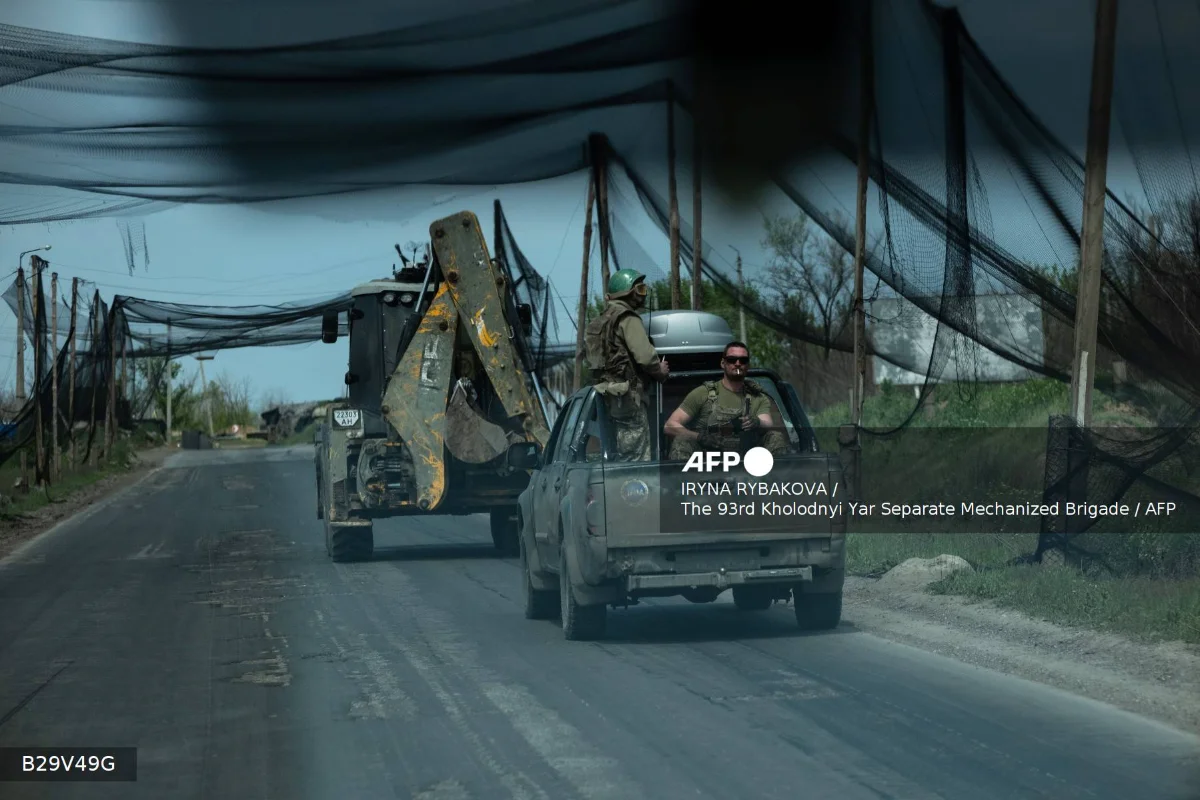
In addition to the above, there is also a broader risk premium associated with ongoing instability. Even when the market does not respond significantly, ongoing instability results in changes in the way that firms operate. For example, the procurement teams have become considerably more conservative and cautious; the logistics teams have begun to build-in additional buffer time on most freight consignments; the insurance markets have changed many of their assumptions; and treasury teams are becoming increasingly mindful of both currency and commodity volatility. These types of changes are not just theoretical but rather are costs incurred by companies due to the ongoing war and instability in the eurozone.
For business managers in energy intensive industries, this kind of political rhetoric does not simply represent geopolitical posturing. Companies in refining, shipping, airlines, insurance, and manufacturing industries with Gulf exposure will have to model many new scenarios based on how likely a nuclear escalation grows.
Even the slightest indication of increasing enrichment could increase risk premium on supply chain pricing, costs for freight and insurance and drive procurement teams to be more conservative with respect to their inventory timing. Hence, statements about 90% purity are extraordinarily relevant because they not only undermine the credibility of government officials in other countries, but they end up changing the economics of doing business across the entire global marketplace which has historically been vulnerable to disruption.
What the truce tells us about diplomacy
The primary takeaway here is that temporary periods of ceasefire in armed conflict do not equate to actual movement toward establishing peace. A ceasefire may provide a short timeframe for parties to negotiate an end to hostilities, but only if both parties believe that prolonging the timeframe would be beneficial. The fact that both sides went back to hostilities suggests that the diplomatic foundation is too weak at present to establish a lasting agreement between the two parties.
The implications of this for Ukraine extend far beyond its borders to other European nations, NATO allies, and multi-national corporations, all of whom will have to develop contingency plans for a system where the armed conflict is likely to be unstable for the foreseeable future. The notion of temporary de-escalation is a viable approach, but only if it is a step toward a successful conclusion. However, at this point in time, there is no indication that we are getting to the point of success.
What to watch next
How this pattern evolves will be the primary indicator. If temporary ceasefires keep collapsing, businesses will have to build their business on a baseline of uncertainty.
Digital-first executives have a once-in-a-lifetime opportunity to gain an edge in their market by understanding how geopolitical events affect their companies.
The war is being fought not only on the battlefield but through the cost of doing business, the movement of materials, and general uncertainty. Every international business will need to be ready for all three forms of uncertainty in conducting business across national borders.
Latest Posts