

The Silent Takeover Why Chinese Open Weight AI Models Command 40 percentage of US Enterprise Code
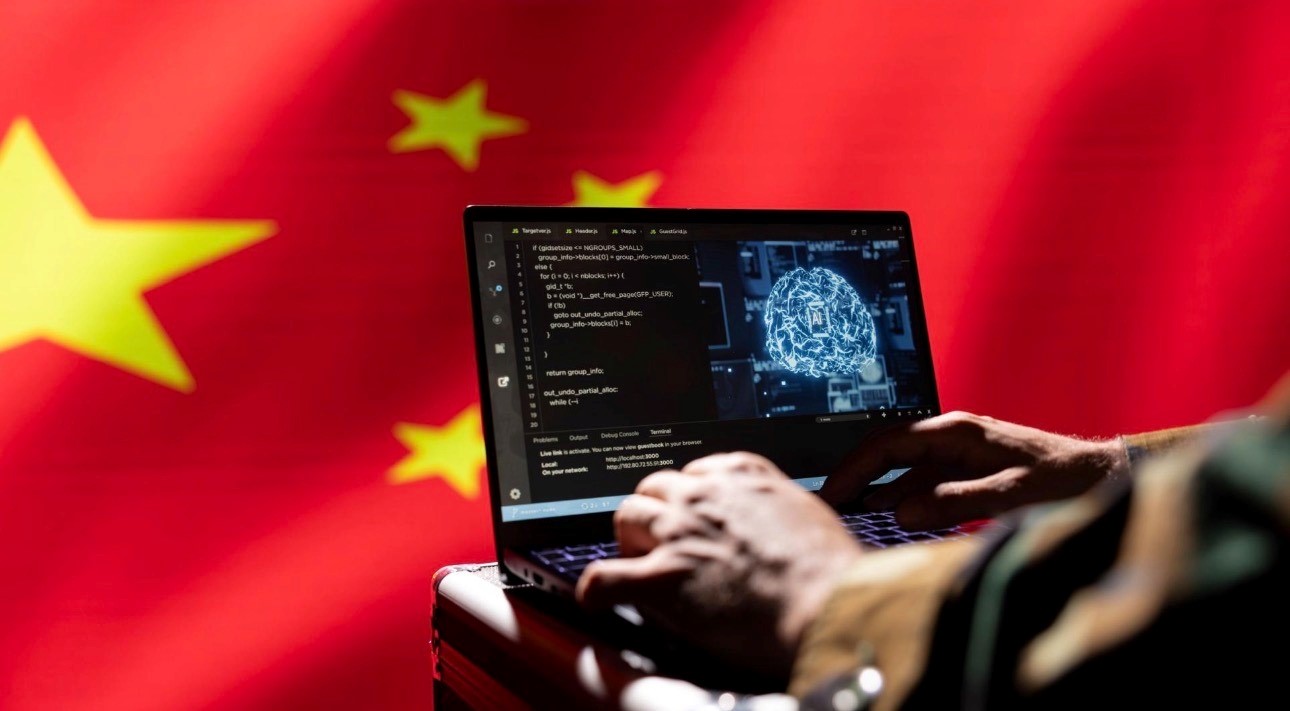
They now power around 40 percent of AI-assisted coding workloads in some U.S. organisations. Unlike models that only work through closed APIs, open-weight models let companies download, improve and run AI on their own systems.
Companies like Alibaba, DeepSeek, Zhipu AI, MiniMax and Moonshot AI are getting a lot of attention everywhere. They are offering good models for less money. This is changing how companies make software. It is also making people wonder about cybersecurity and how companies will compete with technology. People are thinking about what the future of intelligence will look like and who will have the most power, in artificial intelligence. Artificial intelligence is a deal and companies are trying to figure out how to use artificial intelligence to their advantage.
Open-Weight AI Is Changing Enterprise Software
For a time companies like OpenAI, Anthropic and Google DeepMind made systems that only they controlled. These systems worked well but people had to pay to use them online, which was not very flexible.
Open-weight models are different. The important parts of these models are available even if the whole model is not completely open. Companies can run them on their own systems, adapt them to their needs and keep important information safe. This flexibility makes open-weight AI especially useful for businesses such as banks and hospitals that must protect sensitive data and maintain greater control over their infrastructure.
Why Chinese AI Developers Are Advancing So Quickly
China’s AI ecosystem has grown rapidly over the last two years. Companies like DeepSeek, Alibaba, Zhipu AI, Moonshot AI and MiniMax have developed language models that compete with leading Western systems. Instead of focusing only on chatbots, many developers have built tools for software engineering, coding support, document analysis, financial services and research automation.
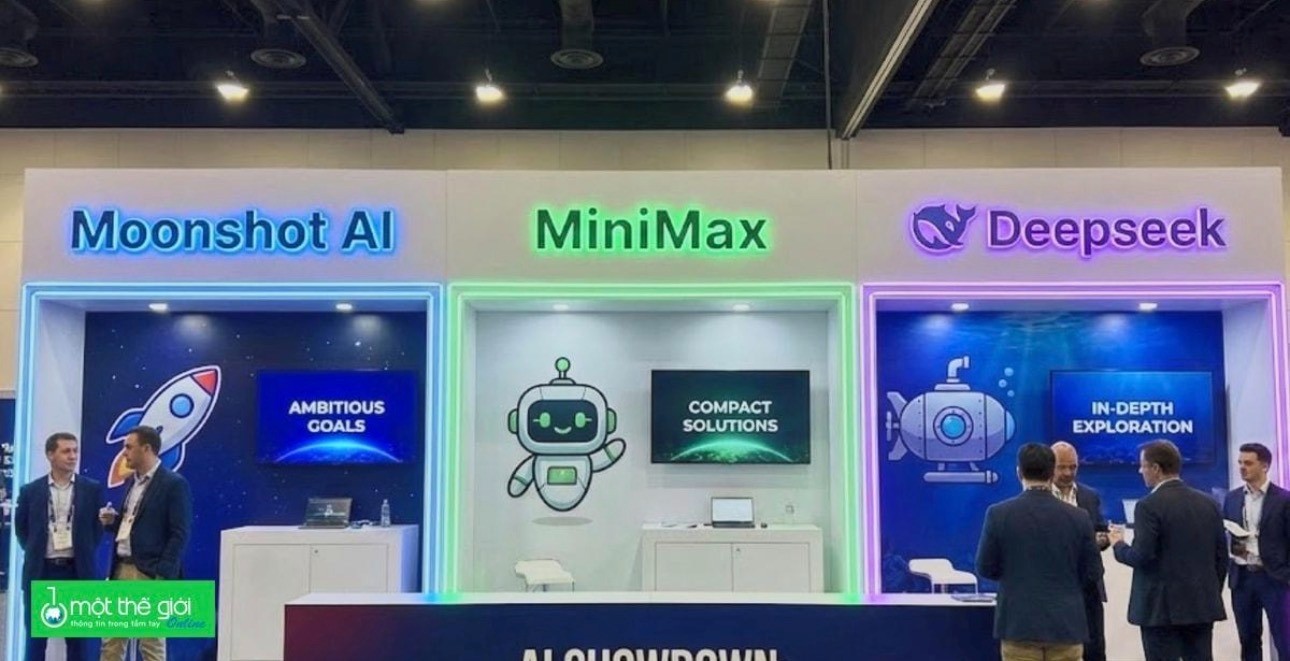
These models are spreading globally because they are openly released, affordable and built on efficient architectures. They are becoming more and more well-liked among enterprise software teams around the world due to their strong performance in programming, mathematics, language comprehension, and technical problem-solving.
Cost Is Becoming One of the Biggest Competitive Advantages
Cost has become one of the biggest reasons businesses choose Chinese open-weight models. Commercial AI APIs can become extremely expensive for companies processing millions of requests every month.
Running open-weight models on private hardware or preferred cloud services removes ongoing usage fees and keeps operating costs predictable. Engineering teams can use AI for testing, documentation, debugging, code review and software maintenance without worrying about rapidly increasing API costs. Many organisations now value cost efficiency as much as model performance.
Why U.S. Enterprises Are Choosing Chinese Models
A lot of companies in the United States are using open-weight AI models. They are doing this even though there are concerns about the relationship between the United States and China. The reason is that these companies want the performance, flexibility and affordability, from the Chinese open-weight AI models.

Open models allow businesses to host AI inside secure environments instead of sending proprietary code to outside cloud providers. This level of control is especially valuable for financial institutions, hospitals, manufacturers and government contractors. Many engineering teams also customise these models to match their own coding standards and internal documentation.
Enterprise Coding Is Becoming Multi-Model
Organisations are now using multiple AI models instead of relying on just one. Software engineers may use one model to write code, another to find and fix bugs, a third to generate documentation and a fourth to perform security analysis. Organisations are moving away from depending on a single AI model because different models perform better at different tasks.
Chinese open-weight models are very important these days. The Chinese open-weight models fit easily into the company workflows. The Chinese open-weight models can also be adjusted for programming languages or the business needs of the company.
Security and Geopolitical Concerns Continue to Grow
AI models from China are in use. Some individuals are concerned about this. Cybersecurity, national security, and proper technological regulation are all problems. Policymakers and cybersecurity experts are debating whether businesses should utilise AI models developed elsewhere.This is especially troublesome when working with data or important code.
Concerns about software supply chains, model origins, licensing and potential vulnerabilities remain even when businesses deploy open-weight models locally. Governments in the United States and several allied nations are developing new regulations as AI becomes more deeply integrated into critical infrastructure and enterprise operations. Balancing innovation with security has become one of the industry’s biggest challenges.

What This Means for the Global AI Race
The rapid growth of Chinese open-weight models signals a major shift in the global AI race. Artificial intelligence is no longer led by only a few Western technology companies. A growing number of organisations are building affordable, specialised and highly adaptable models that increase competition and lower AI deployment costs.
Now businesses have lots of options. They can get access to improved AI tools that are made for their specific industry or technical needs. These tools help businesses to innovate faster. With more companies competing all organisations around the world get benefits. AI companies are working hard to improve. Businesses get to choose from options.
The Future of Enterprise AI Will Be More Open
Hence, the rise of Chinese open-weight AI models shows that openness, flexibility and affordability are becoming increasingly important for enterprise artificial intelligence. Although proprietary models will continue to lead in some advanced applications, businesses want the ability to deploy, customise, audit and optimise AI according to their own operational requirements.
Open-weight models give organisations control over the things that matter like the equipment they use how much they spend and who can see their private information. As Artificial Intelligence technology gets better and better a lot of companies will probably start using a mix of open-weight models and their own special models. The future of making software for companies will be decided by a bunch of different Artificial Intelligence systems that work well together are open and can do specific tasks really well which will help new ideas happen.
Latest Posts