

The Paid Wall API Shock How Anthropics Fable 5 Pivot Changes Automated Coding

However, Anthropic recently decided to incorporate additional costs into its latest generation of Fable 5 coding models. The step has been taken by AI firms to indicate their departure from experimentation to profitability.
The changes affect developers, startup firms and enterprises that rely heavily on AI services. The issue is not only about paying for access but also about how AI companies will deploy and monetise automated coding models. As AI providers attempt to recover the enormous investments required for computing infrastructure, the era of free or inexpensive coding assistance appears to be coming to an end.
Why Anthropic Introduced a Paid API Strategy
AI programming is growing rapidly, increasing the amount of computing power required. Every coding request or debugging task consumes significant processing resources, requiring specialised GPU hardware and continuous model updates to maintain performance. Anthropic’s new pricing model for Fable 5 reflects the growing recognition that advanced AI systems are expensive to operate.
Instead of considering the development of artificial intelligence code as cheap labor, Anthropic has now begun selling Fable 5 as an enterprise application at a higher cost. This will enable Anthropic to concentrate on paying clients and making artificial intelligence applications without putting any pressure on their infrastructure.
What Makes Fable 5 Different From Earlier Coding Models
Fable 5 represents a significant improvement over earlier coding assistants. Beyond generating lines of code, it can analyse software projects, understand relationships across files, recognise project structure and assist with software design. It also retains development context for much longer than previous AI systems.

Instead of acting only as a coding assistant, Fable 5 can analyse entire repositories, suggest improvements, identify errors and participate throughout the software development process. These capabilities make it especially valuable for engineering teams working on complex applications, explaining why Anthropic considers it a premium product.
The End of Nearly Unlimited AI Coding
For the past two years, developers have become accustomed to generous free services and affordable AI subscriptions. Many organisations integrated AI into almost every stage of software development without worrying about usage costs. Anthropic’s new pricing model suggests that this period may be ending.
Developing and operating frontier AI models requires billions of dollars in infrastructure and enormous computing resources to process millions of requests. As a result, AI companies are increasingly adopting usage-based pricing, premium subscriptions and enterprise packages that better reflect their operational costs. Developers will therefore need to use advanced AI capabilities more selectively.
Enterprises May Benefit More Than Individual Developers
Premium pricing may concern independent developers, but many large organisations view it positively. The preference for reliability, security, technical assistance and consistent performance tends to take priority over availability at a lower cost. The high-end API can offer greater assurance of uptime and scalability, thus becoming more suited for enterprise software development.

Larger companies can also have access to more sophisticated systems that will help with managing complex projects and collaboration in engineering. For those organizations that integrate AI into their products and services, it is justified to invest in more expensive APIs because of higher productivity.
How the Pricing Shift Changes Developer Workflows
Anthropic’s decision is expected to change how developers use AI throughout the software development process. Instead of relying on premium AI for every task, developers may reserve the most advanced models for complex debugging, software architecture, application modernisation and critical code reviews. Simpler activities such as code completion and documentation may increasingly be handled by lower-cost AI models.
Many companies are going to make rules about how their people can use Artificial Intelligence inside the company. These rules will help make sure that the best Artificial Intelligence models are used for the tasks where they can make the difference. This way companies can get the value, from their Artificial Intelligence systems.
Competition Among AI Providers Is Intensifying
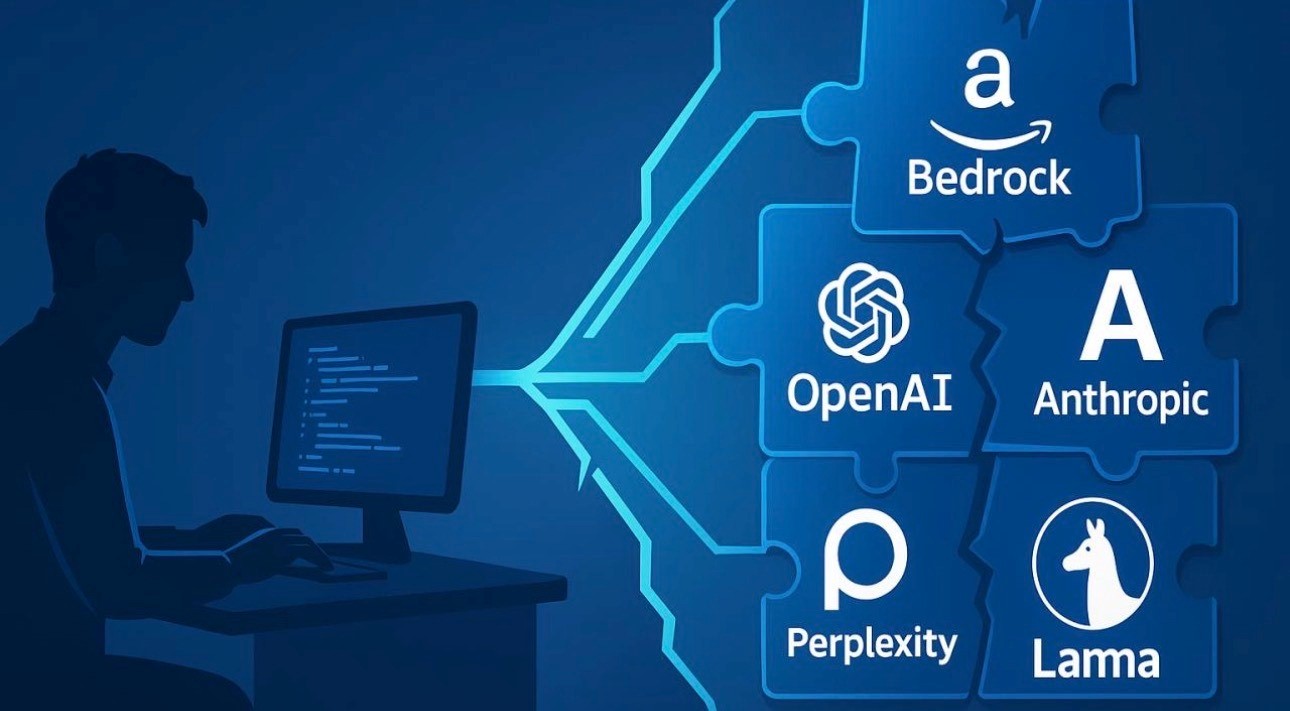
Anthropic’s pricing strategy reflects the increasingly competitive AI landscape. There is competition among companies like OpenAI, Google DeepMind, GitHub Copilot, Amazon Web Services, and many others in AI to attract corporate clients. Some are working on developing improved reasoning and programming capabilities, while others are focusing on lowering prices by using open models that corporations can use themselves.
Competition is no longer based solely on model intelligence. AI providers are increasingly differentiating themselves through pricing, reliability, security, enterprise integration and developer experience. As a result, businesses now have more choices than ever when selecting AI tools for software development.
AI Coding Is Becoming an Enterprise Investment
The evolving nature of AI coding assistants has begun to impact the way that companies see software development. The use of AI has gone from being just an aid for productivity to a much more strategic investment into engineering productivity.
Companies increasingly measure AI’s impact through development speed, code quality, defect reduction, developer onboarding and overall software delivery performance. Although premium tools such as Fable 5 involve higher costs, many enterprises believe the productivity gains outweigh the expense. This reflects a broader shift from experimenting with AI to deploying it across core business operations.
The Future of Automated Coding Will Favour Value Over Volume

Now, this is a wider change being seen in the field of artificial intelligence. As AI models become better and more advanced, organizations are no longer offering free or low-cost access to all the capabilities of their systems. The costs associated with advanced AI systems are now being reflected in pricing.
Users will have to use various kinds of AI programs and models, where the premium AI models will be used for complex engineering operations while simpler models will be used for regular programming purposes. It is now time that organizations be evaluated on parameters such as sustainability, governance, security, and value creation, among others, beyond the model itself. This, indeed, is not the end of the era of programming through AI; rather, it marks the beginning of a totally new era of automated programming.
Latest Posts