

The Midnight Hammer Report Did Trump Just Obliterate Irans Nuclear Future

What “obliterated” really means
The White House has made a very strong case that Iran’s nuclear facilities have been severely damaged enough to delay their program from developing any further. President Trump even states that these results are so substantial that there’s no reason why Iran shouldn’t agree to suspend all enrichment and make broader concessions at the negotiating table as soon as possible. This is a compelling political message; however, it is not synonymous with conclusive proof of permanent destruction.
For a business-focused audience, the distinction is critical. In geopolitical terms, "destroyed" can refer to physical damage, operational delays, and/or strategic deterrence; these represent entirely different outcomes under any given set of circumstances. A program can be delayed but can still be technically viable.
Why the debate is not going away
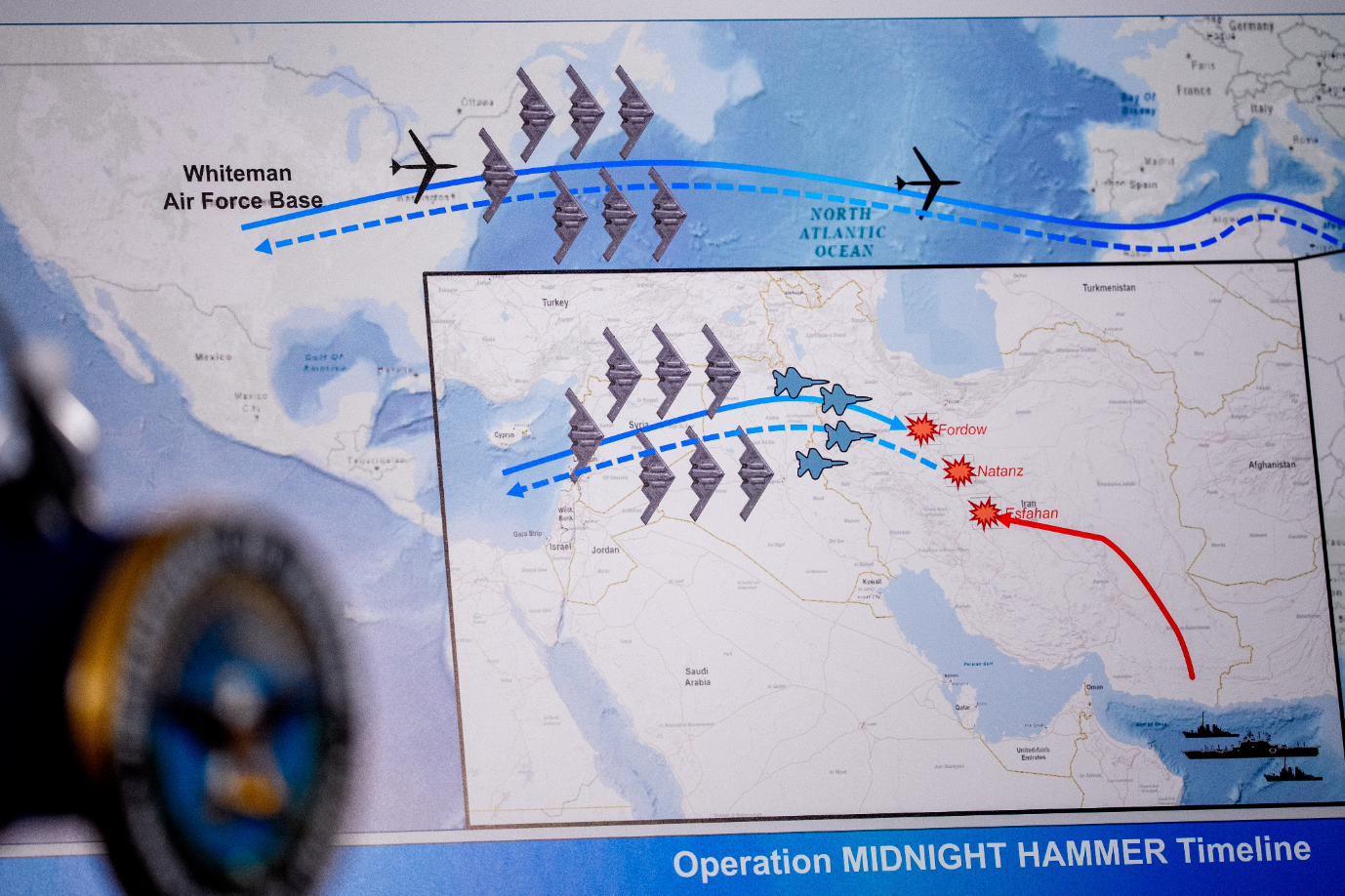
In light of reports noting that both sides engaged in military action against each other in an effort to reach an agreement for ending all forms of nuclear enrichment and rejecting any type of long-term inequitable arrangement from their prospective, it would be assumed that the recent airstrike against Iran carried some form of power assertion and pressure to add to the negotiations occurring between the two countries.
In summary, the future of Iran's nuclear capabilities remain largely undefined and uncertain at this time. Iran has stated its desire to have both leverage and relief from sanctions with regard to its nuclear program for a long time (i.e., leverage = nuclear weapons program, relief = removal of sanctions on Iran's economy). Therefore, it will ultimately depend on whether or not Iran can rebuild its nuclear capabilities as a result of the support they receive both from their scientists working under the existing infrastructure as well as from those who provide materials and equipment to their scientists in order to assist them in completing and continuing the Iranian nuclear program.
The business angle: risk, leverage, and deterrence
- implications of this situation extend much further than the Middle East. Oil, shipping insurance, defense contractors and stock markets are all influenced by the same underlying dynamic; containment or escalation of the current conflict. An Iranian attack that pushed Iran’s nuclear development timeline back several years could result in a drastically reduced market perception of geopolitical risk in the short run. Conversely, an attack simply delaying the inevitable would keep the uncertainty premium intact.
The uncertainty of this event has caused huge effects in many areas due to the Midnight Hammer report’s impact.Investors do not need perfect information before they can change their portfolios. They simply need a signal that an assumption from the past has been changed. For example, a claim of complete destruction will alter those past assumptions dramatically, whereas a claim of partial destruction will do very little to change them.
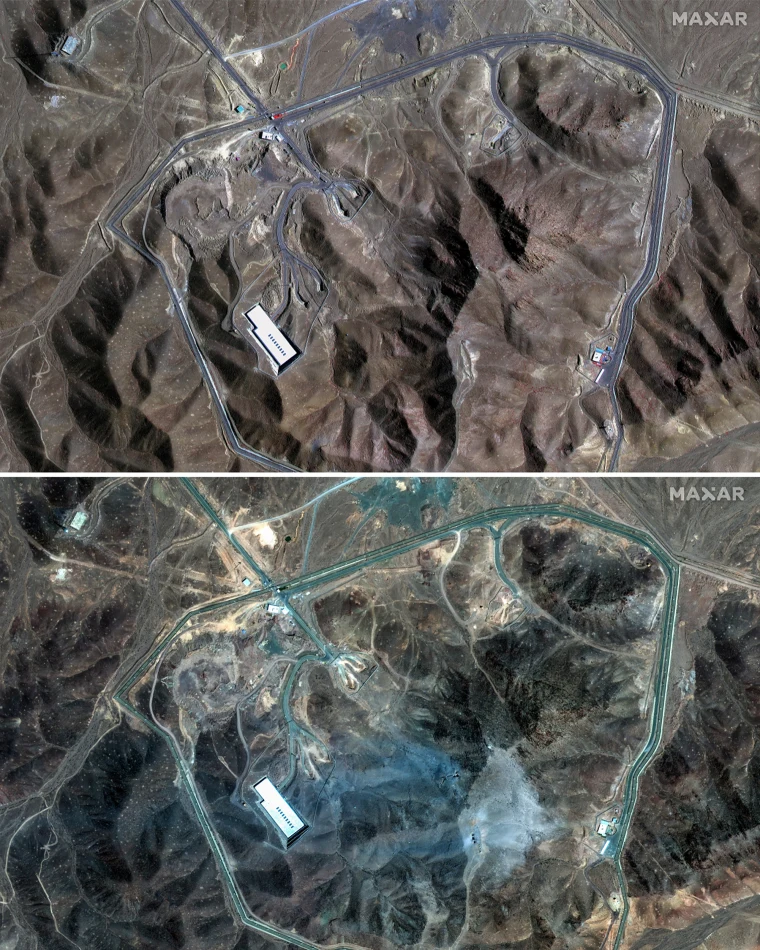
Rebuilding is often easier than destruction is permanent
Military conflicts have seen a lot of infrastructure destroyed quicker than programs have gone away. Facilities are usually repairable. Repairs to facilities usually happen by equipment replacement. Knowledge can never be completely bombed away or removed through force. Because of this, the assessments of intelligence will often be very different from an official political statement, because political leaders are trying to establish a clean victory narrative, especially in war.
The determining factor if Iran's nuclear capability has really been destroyed is not whether or not the nuclear capability was hit. Even if it is hit, and later comes under scrutiny (inspections), the actual measure of success will be what takes place following the strike. For example: levels of enrichment, disrupting or cutting their supply chains, and determining if they, through sanctions, or covertly through support, have the ability to recover. When these things do not occur, the term "obliterated" may actually mean no more than "temporarily degraded".
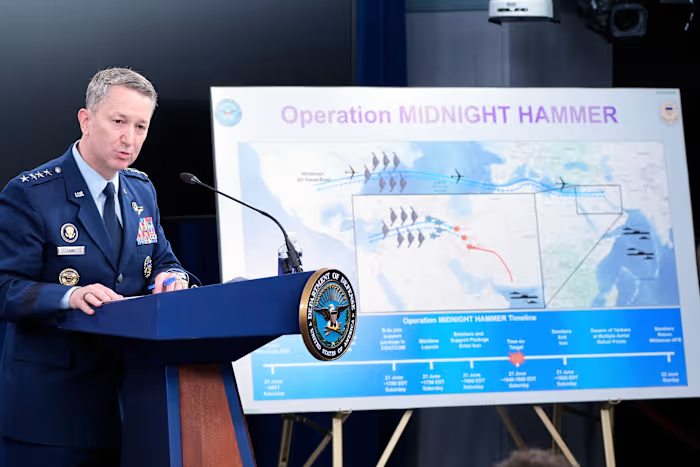
What to watch next
In the next several months, you’ll find out how this will turn out. Watch for new diplomatic activity, changes in the interpretation of uranium-enrichment activity, and if Iran takes action to slow, hide, or increase its nuclear posture. Be aware of how the market will react to these developments; if oil, shipping and defense-related companies treat the situation as resolved, then the operation was successful from a strategic standpoint. If not, it would indicate that the international community has concerns about escalation and further conflict as a possibility.
At this point in time, it appears that the best conclusion to reach is one of caution; Operation Midnight Hammer may have produced some damage to Iranian nuclear capabilities, but has not yet answered definitively if Iran's nuclear future ended, or just entered a new more dangerous stage
Latest Posts