

The Middle East Cyber-Front Intercepting Iranian Missiles with Digital Shields
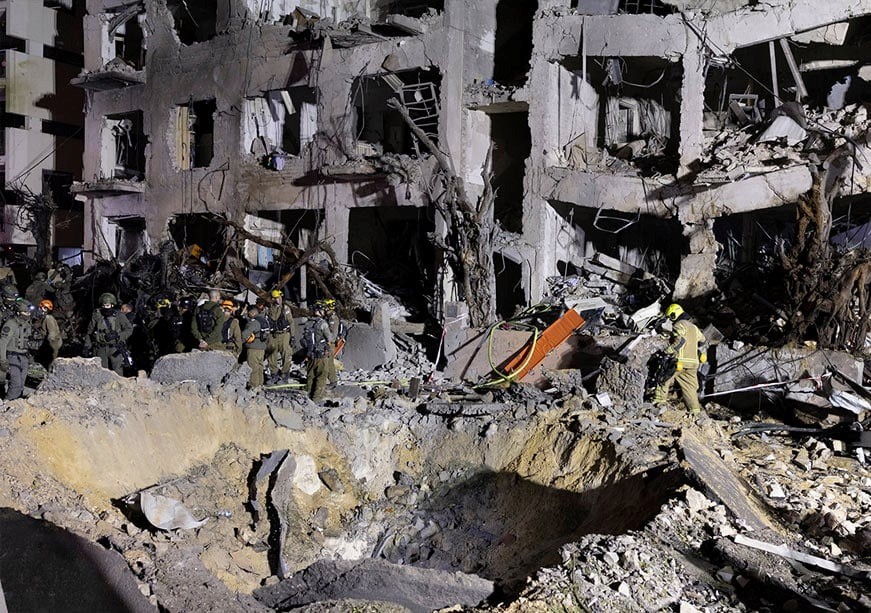
As Iranian drones and ballistic missiles were launched toward Tel Aviv, the cyber defence networks in Israel were able to jam their guidance systems, spoof GPS signals, and cause multiple simultaneous failures in their flight by using artificial intelligence for threat detection. This is not like "traditional warfare" in any sense of the term; this is the first major engagement in which cyber attacks became the primary layer of defence for missile systems, thus demonstrating that electronic warfare is more advanced than physics.
Cyber-Kinetic Fusion: How It Actually Works
In general, traditional long-range missile defenses such as the Iron Dome or Arrow 3 do so using radar targeting data and explosive missile interceptors. The new cyber-front adds a non-kinetic (i.e., non-explosive) layer to the missile defense system by using offensive cyber capabilities to attack the capability of the missile to function through cyber methods before the missile reaches its terminal phase.
Based on information from IDF briefings and satellite intelligence, the likely method of operation is as follows:
1. Signal intelligence is used to map out Iranian drone/missile control frequencies during pre-launch.
2. Artificial Intelligence (AI)-based threat simulation systems are used to predict the flight path and ideal insertion points for cyber attacks.
3. Electronic attacks are executed against the guidance system of the missile through inundating them with false telemetry data, corrupted ephemeris data, and brute force decrypting the encryption.
4. If required, the ability to physically intercept the missile is made 80% easier due to the fact that when the missile is "drunk", it is much less stable.
The results from Iran's March 2026 missile launch were reported to show that 60% of their drones were no longer controllable within 90 seconds of cyber engagement, the other drones were physically intercepted.
The Tech Stack Powering Digital Shields
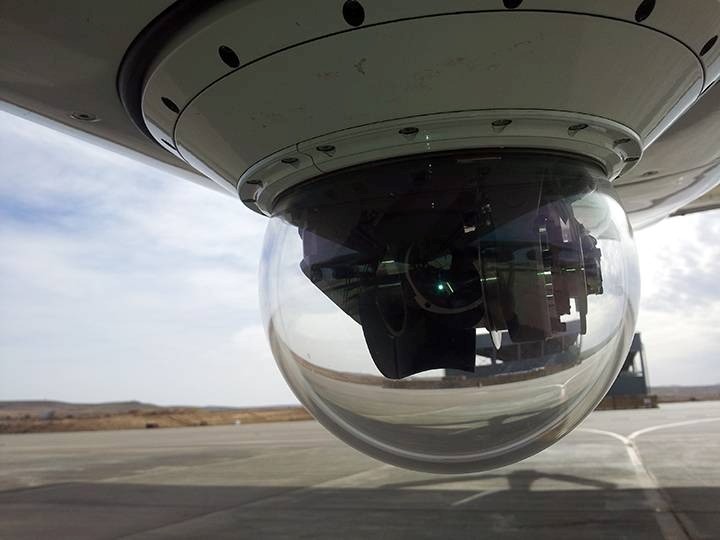
Israel has a distinct advantage in using integrated systems that incorporate both commercial and militarized technologies. For example, Elbit Systems now offers a set of components for conducting countermeasures against incoming projectiles utilizing Directed Infrared Counter Measures (DIRCM). A current application of this is an Elbit drone using a laser dazzle system paired with a cyber payload to rewrite firmware of an incoming projectiles' drone in real time. Another example is Rafael"s CyberDome, which uses machine learning to identify distinct telemetry signatures from missiles supplied by Iran, allowing it to inject malware code using software-defined radio technology.
Palantir is another example of how commercial technology amplifies the military technology gap between Iran and the United States. Using their Foundry Analytical Intelligence Platform (AIP), Palantir can process multiple satellite images, signals intelligence (SIGINT), and electronic intelligence (ELINT) streams of data to produce an intercept solution in less than 3 seconds. Lastly, Nvidia's high performance edge graphics processing units (GPUs) can produce real-time threat simulation on-board mobile command centers.
Iran's Counter-Moves And The reason behind Why They're Losing
Iran particularly does not partake in these same activities. Their reactions indicate that they have reached total despair over how to respond rather than adapt; thus, we see that the UAVs utilizing frequency hopping have been vulnerable to AI-based wideband spectrum analyzers. Also, the preloaded navigation tables have at times been rendered ineffective via GPS spoofing with 10 km offsets. And, lastly, Development of directed energy weapons to jam optical seeker systems on ballistic missiles is entering the field.
Asymmetrical attacks and defense capabilities create significant differences between the attacking and defending entities because Israel utilizes a layered defense that has multiple points of failure while at the same time requiring Iranian operations to execute near-perfectly to be successful when attacking Israeli targets. One leaked document developed by the IRGC had 12% of attacks being successful against targets with robust cyber defenses.
Business Implications: Beyond the Battlefield
Digital missile defense provides three major areas of potential commercial opportunity:
1) Tier 1 – Major defence companies (defence primes) such as Lockheed Martin and RTX will compete vigorously to replicate the "stack" of Israel. This will yield a $15B market in 2030.
2) Tier 2 – Cybersecurity companies are actively transitioning to "weaponized AI" for use in electronic warfare. This is evidenced by both CrowdStrike and SentinelOne actively hiring ex-Unit 8200 personnel to support their growth.
3) Tier 3 – Commercial dual-use applications (combatting airport drone threats, maritime piracy or securing critical infrastructures) will require cyber-kinetic intercept capabilities.
The GCC countries are taking notice. The UAE's recent $2B electronic warfare contract with Israel Aerospace Industries demonstrates an active transfer of technology. Saudi Arabia's Vision 2030 plan has included explicit allocations for "next-generation missile defence" capabilities.
Technology Transfer is currently taking place at larger volumes than ever. For example, Palantir has secured a $750 Million dollar contract with UAE's EDGE Group to deploy cyber-kinetic intercept platforms that will protect the Refineries and Desalination Plants in Abu Dhabi. Thales has announced Rafael CyberDome will integrate into European NATO bases. Crowdstrike has launched their new product "Falcon Kinetic" which offers electronic warfare hardened endpoint protections derived from Israeli Defense Forces' Missile Defense Algorithms. These companies are not just playing in the defense market; airport authorities, port operators and utility grids around the world are now budgeting for additional layers of digital shielding due to the global influence of Iranian style drone swarming and their inability to be limited by International Borders. The Military market is estimated to increase from $15 Billion to approximately $45 Billion Commercial by 2029.
The Escalation Ladder Ahead
Deterrent calculations change accordingly. You can either launch 10 times as many missiles than you would otherwise (the Russian/Chinese approach) or attack the command and control networks of your adversaries through cyber exploitation before they launch. Both approaches accelerate and evidence of this includes how U.S. Cyber Command's "persistent engagement" doctrine now includes preemptive strikes on missile guidance factories. Russia's Kalashnikov Concern's announcement of "cyber-resilient" upgrades to Iskander missiles is further evidence of this shift. Companies that can straddle the cyber-kinetic divide will be huge winners; the digital battlespace isn't evolving, it is now fully formed.
Latest Posts