

The Met Gala 2026 Fashions Garden of Time Fallout
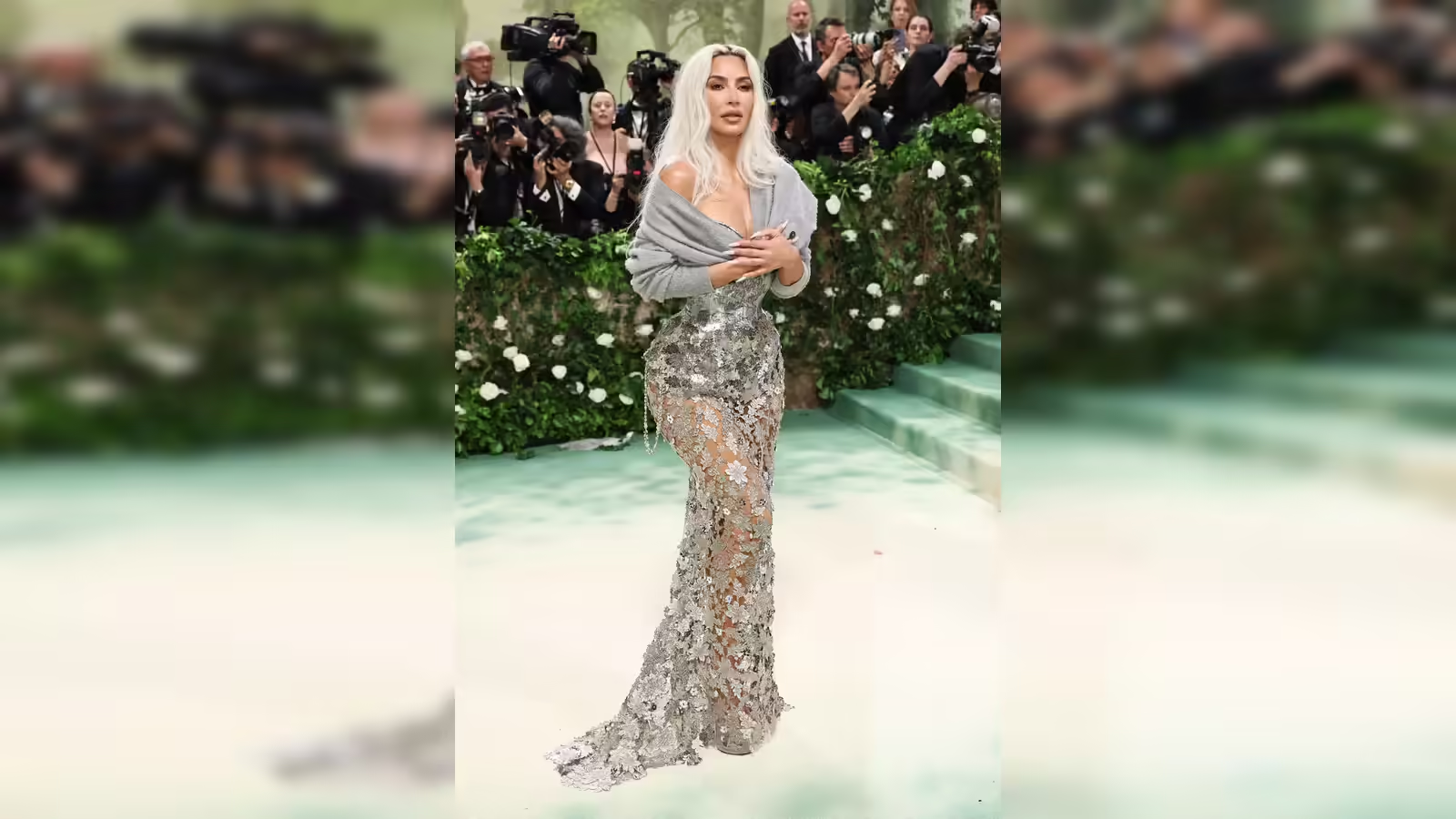
This year’s theme “Fashion Is Art,” tied into The Costume Institute's "Costume Art" exhibition pushed the guests to see the body as a canvas and clothing as an art piece for more than just elegant pieces; the aftermath was more of how brands, celebrities and audiences are all interpreting the same event through completely different lenses.
A theme built for interpretation
The ambiguous nature of the Met Gala is part of its appeal, and for 2026 that played to the hilt. Rather than being a very narrow visual directive, there was a very broad artistic interpretation that allowed designers to be theatrical, conceptual and a little wild. The result was some of the most discussed looks on the red carpet, but it also created a divide between people that saw this as having creative freedom versus those that saw it as being without cohesion.
This divide is important as the Met Gala has evolved from being simply a fundraiser for the Costume Institute, into a global marketing event, social media content generator and live case study on how luxury brands wish to be viewed. With an abstract theme, the stakes are even higher because the audience isn't just asking who looked great, but who was able to best express the idea in a way that merits the attention?
Why the reaction felt so divided
Much of the backlash that began forming at the end of 2026's Met Gala stemmed from the idea that interpretation played much more heavily into the conversation surrounding the event than many realized. The reality was that many guests gravitated towards a more traditionally embraced approach to fashion - the idea of exhibiting creative expression through sculptural features in their looks, as opposed to focusing strictly on visually appealing glamour, which is perfectly acceptable for any event other than for one that is supposed to highlight artistic risks.
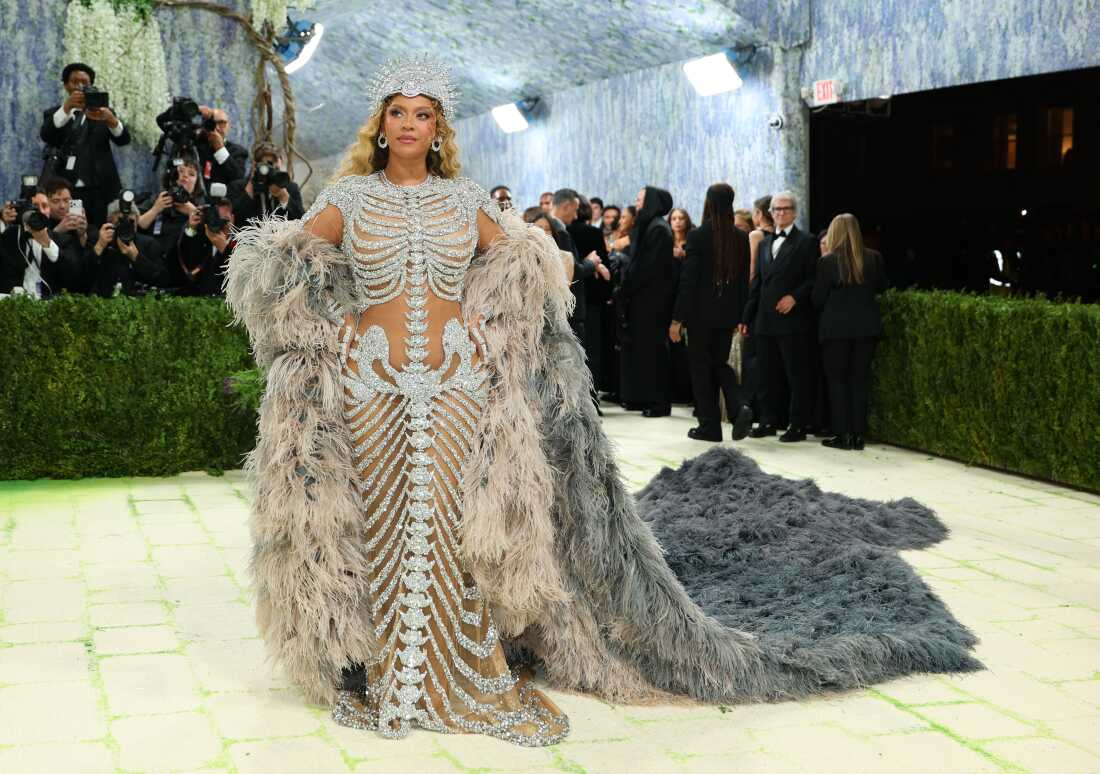
For the 2026 Met Gala, the digital-first audience uses the red carpet as an archive of message/symbols/brands whereas attending audiences were focused on the fashion aspect. So, there is a very quick reaction to looks that don't align with the thematic basis of the event or are too literal/commercial or without enough connection to the overall artistic theme. The connection that is formed through online sourcing/interaction along with the amount of quick direct response to a product's display has become a very large portion of today's fashion coverage.
The business of being seen
In addition to being renowned culturally, the Met Gala has a great deal of commercial success associated with it. All of the garments created for the event become forms of content; the entrances created by the celebrities become news stories shortly upon their release, while brands that place their products at the event are able to extend their exposure through multiple channels in a matter of minutes. While this is an incredible success for the designers and luxury brand owners, it also means that individual consumers are constantly monitoring the event for what they view as relevant to them and their own brand awareness.
The visibility strategy of fashion this year was especially important due to the combination of typical Met Gala factors: celebrity presence; corporate sponsorship; and social media. Therefore, clothing has always been an asset to the entire ecosystem of influence, and the timing, originality, and narrative can have a far greater impact on the garment than the workmanship used to create it.
When art meets commerce
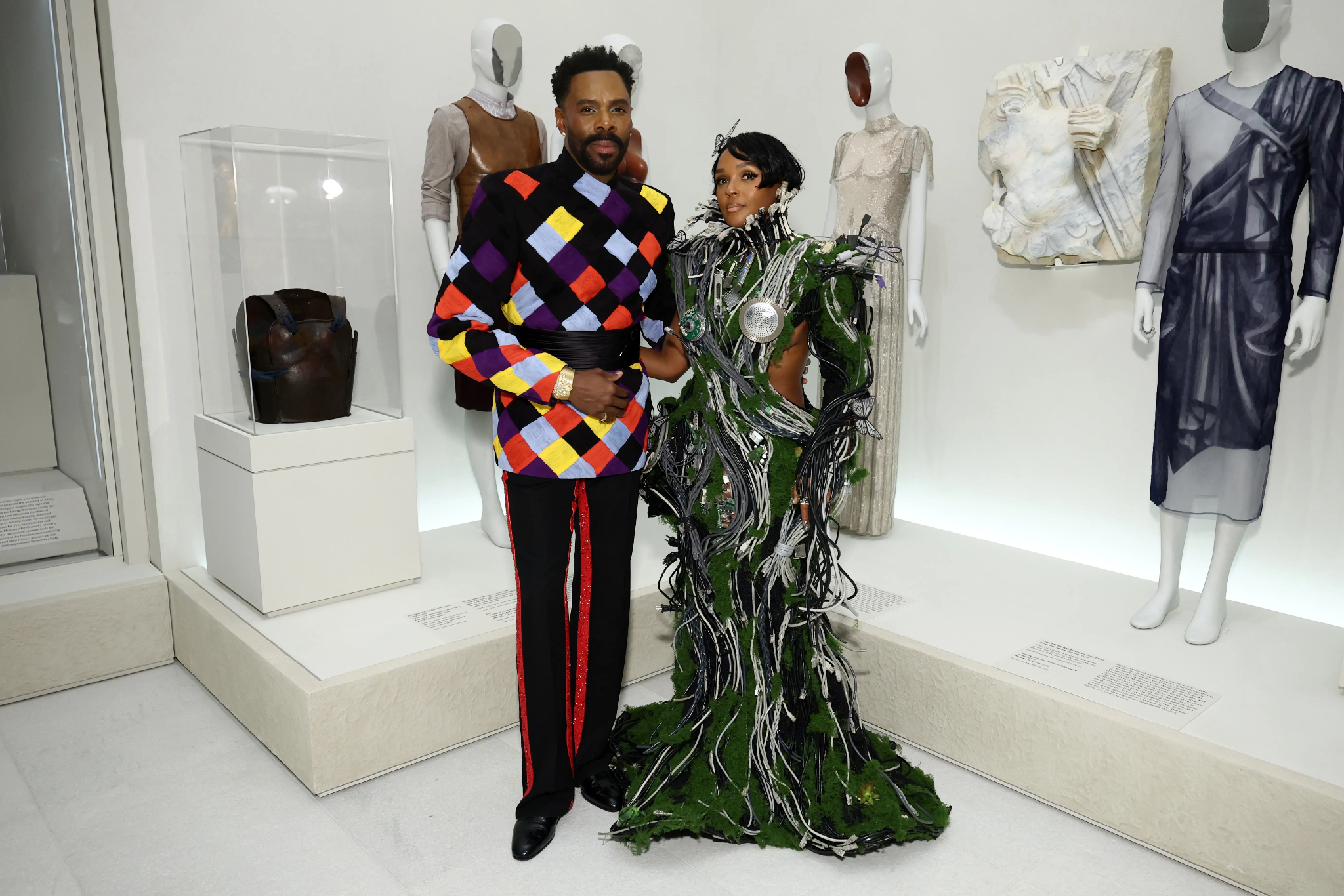
In addition to being renowned culturally, the Met Gala has a great deal of commercial success associated with it. All of the garments created for the event become forms of content; the entrances created by the celebrities become news stories shortly upon their release, while brands that place their products at the event are able to extend their exposure through multiple channels in a matter of minutes. While this is an incredible success for the designers and luxury brand owners, it also means that individual consumers are constantly monitoring the event for what they view as relevant to them and their own brand awareness.
The visibility strategy of fashion this year was especially important due to the combination of typical Met Gala factors: celebrity presence; corporate sponsorship; and social media. Therefore, clothing has always been an asset to the entire ecosystem of influence, and the timing, originality, and narrative can have a far greater impact on the garment than the workmanship used to create it.
What brands should take away
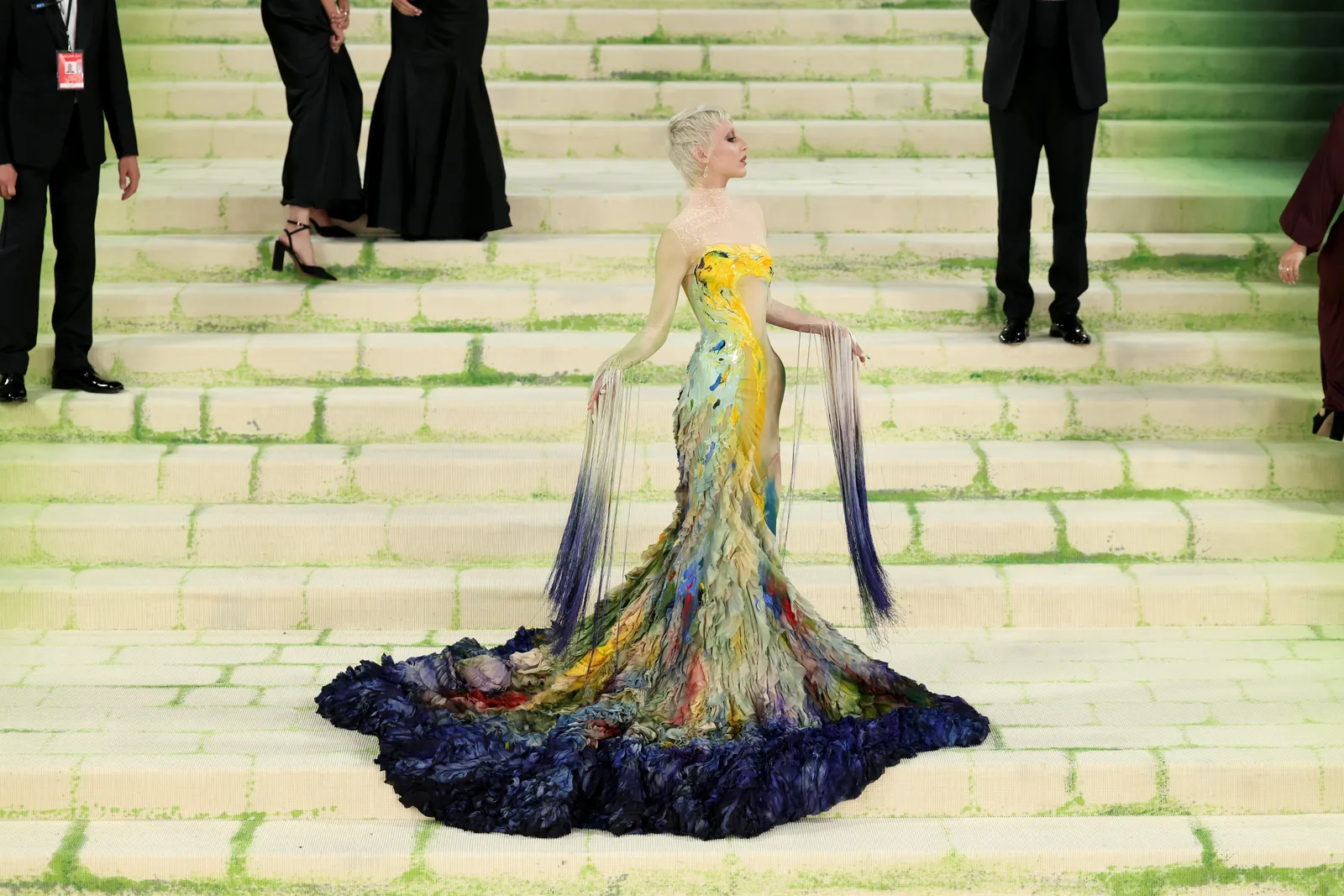
The Met Gala in 2026 should serve as a cautionary tale for luxury and fashion makers. The days of waiting for someone to come along and praise an outfit you put on a 'star' are gone. Now, you must have a story that holds when people zoom in, photo-edit themselves with various inspirations, and determine whether your look has meaning or simply makes noise.
In today's economy of attention, images are distributed instantaneously; however, the explanation takes longer. For brands to remain relevant they must now think like editors as opposed to merely clothing stylist. They must have a distinct point of view as any ambiguity will only be interpreted in a positive manner if the audience trusts there was an intended creative intent in the ambiguity.
The 2026 Met Gala illustrated just how quickly admiration can be turned to debate when people do not agree on how the theme was used properly by fashion houses, and as long as fashion is worthy of discussion that is not a failure; it demonstrates that fashion is still significant enough to have debate over. Therefore, this debate is part of business for those brands participating at this level.
Latest Posts