

The July 24 Tariff Sunset How Trumps Expiring 10% Global Tariff Could Reshape International Manufacturing
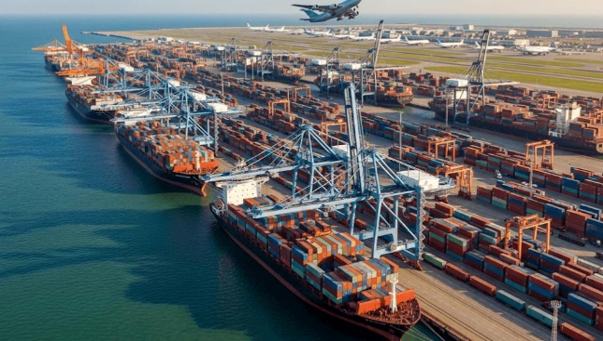
However most companies are still being careful because they think new trade policies will be introduced soon. The trade policy issues and trade policies are not going away so July 24 2026 is another important date for international business and trade policies.
Table of Contents
- Understanding the 10% Global Tariff
- Why July 24 Matters
- Which Countries and Industries Could Be Most Affected
- How Manufacturers Are Responding
- Supply Chain Diversification Continues
- Will Section 301 Tariffs Replace the Global Tariff?
- Looking Ahead
- Frequently Asked Questions (FAQs)
Understanding the 10% Global Tariff
The ten percent tariff was put in place for a while because of a legal problem with bigger tariffs. This rule applied to some things that were being brought into the United States. The decision-makers were considering future plans for international trade.
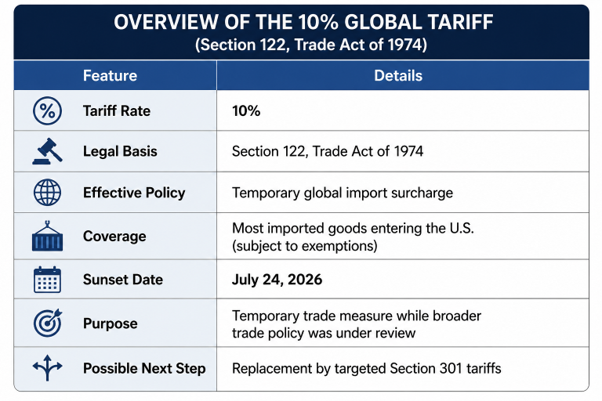
Even though this was a rule it had an effect right away. A lot of companies started sending things out and looking at who they bought things from and how much it cost to make things. One important thing to remember about this tariff is that companies do not just react to the fact that things cost more. They also worry about what might happen and that uncertainty is a big deal, for the tariff.
Why July 24 Matters
The date of July 24 is really important because it is when the interim tariff under Section 122 will end. For companies what happens after this tariff ends is even more important than when it actually ends.
When trade policies are stable companies can make plans about things like investing, who they will buy from and making more things. When these policies keep changing it is very hard to make these plans. A lot of manufacturers think that there will be tariffs under Section 301 soon. This is why companies are still trying to get things from different places and make things in many different locations. The end of the tariff under Section 122 is important but companies are more worried, about what will happen next.
Which Countries and Industries Could Be Most Affected
The expiry of the tariff will have effects on different countries and sectors. For example countries like China, Vietnam, India, Mexico and Indonesia which’re big players in global manufacturing will be watching this situation very closely.
The expiry of the tariff will affect the electronics industry, the auto parts manufacturing sector, the machinery manufacturing sector, the textile industry and the consumer goods industry. These sectors will have to change the way they buy things and the prices they charge.
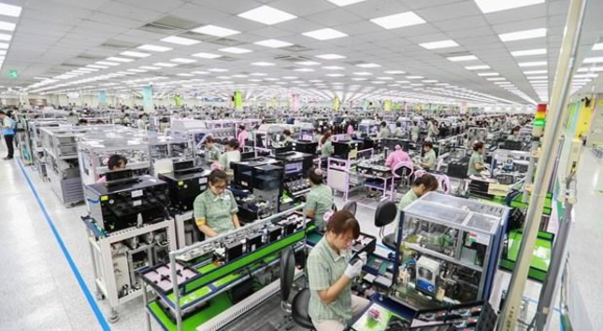
Some companies will benefit from imports when the tariff expires. However, the expiry of the tariff is a deal for these companies and they are paying close attention to what happens with the tariff.
How Manufacturers Are Responding
Many companies are not waiting for new policies to be announced. They are making changes now. For example some companies have started working with suppliers in different countries. They can obtain what they require from numerous sources in this way.
Some companies are also storing more supplies than they need right now. They want to be ready in case something goes wrong in the future. Companies are using computers and other technology to manage their supply chains. This helps them know what is going on and make changes if they need to. When it comes to choosing suppliers companies are not just looking at the cost of things. They are considering other factors as well.
Supply Chain Diversification Continues
This deadline is part of a trend that has been going on for years now. Companies are not just making things in one place anymore. They are making things in different places. This is because companies do not want to rely on one country to make their products.
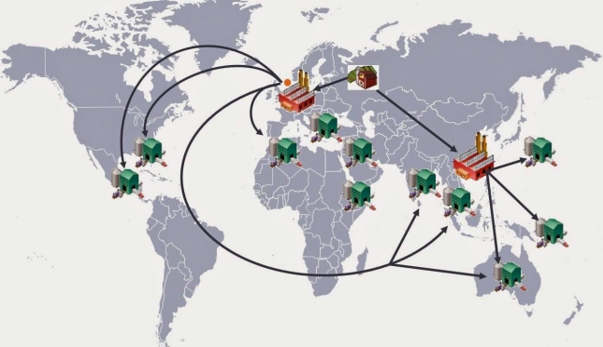
This is called the “China Plus One” strategy. It means companies are making things in countries like India, Vietnam and Mexico. This might make it more expensive for companies to do business. Companies think it is a good idea in the long run. The “China Plus One” strategy is really changing the way companies make things because it makes their supply chain more resilient.
Will Section 301 Tariffs Replace the Global Tariff?
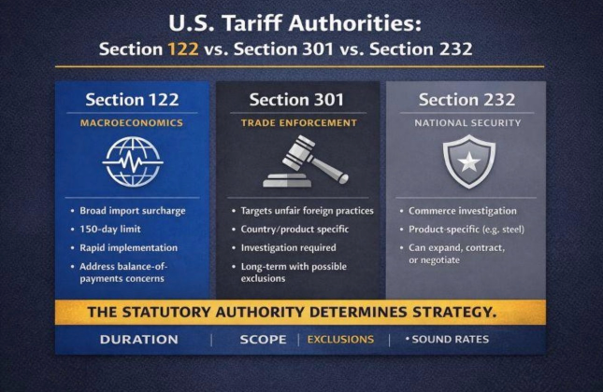
The end of the 10% tariff is coming soon. Companies do not think there will be any decrease in trade conflicts. Now people are paying attention to Section 301 tariffs because Section 122 tariffs will only be around for a while.
Section 301 tariffs are different. The United States can use Section 301 tariffs to punish countries for unfair trade practices. Section 301 tariffs can last for a long time. For this reason, a lot of businesses are being cautious about their supply chains. The idea of Section 301 tariffs lasting for a long time is making companies cautious about their supply chains.
Looking Ahead
The expiry of the tariff on July 24 is more than a deadline; it shows how rapidly international business can evolve. Regardless of whether the temporary tariff will expire without being replaced by other Section 301 actions, companies will not revert to their former ways of sourcing very quickly.
What the last few years have taught us is that, besides having the lowest production costs, companies need to be flexible. Those who develop robust supply chains and diversify their suppliers may be in a good position when facing new challenges in international business.
Frequently Asked Questions (FAQs)
1. What does July 24 tariff sunset mean?
This means that the time of temporary tariff on all imported goods into the US is about to come to its end, with a tariff rate of 10% according to Section 122 of the Trade Act of 1974.
2. Why is this relevant for manufacturers?
The lifting of the above tariff may influence the manufacturing cost as it is liable to be replaced by the temporary tariff.
3. What are Section 301 tariffs?
These are long-term trade sanctions imposed against any country accused of carrying out unfair trade practices, after a formal investigation by the government.
4. In which industries can the changes become significant?
Electronics, automotive, machinery, textiles and consumer goods are some of the sectors that may be significantly affected.
5. Would global supply chains be affected after July 24?
Most experts expect that companies would diversify their supplier base and manufacture at multiple locations irrespective of the ending of this temporary tariff or its replacement.
Latest Posts