

The Hantavirus Alert What You Need to Know
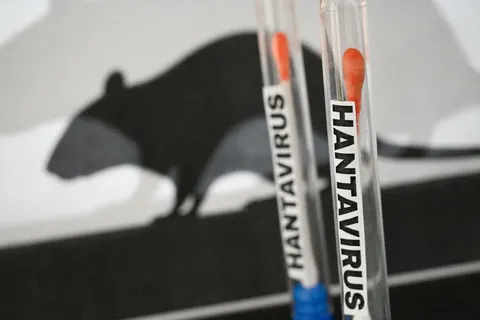
Although hanta virus is very rare, it has an approximate 38% mortality rate and ranks among the deadliest respiratory diseases threatening travelers. Companies that employ field workers, operate out of remote locations or have seasonal properties must take sweeping measures now to ensure that their employees are safe while on duty.
How It Spreads: The Rodent Risk
The hantavirus is found in rodent urine, droppings and saliva. Hantavirus becomes airborne when disturbed and can be carried by deer mice (i.e., those with white underbellies). Deer mice thrive in rural cabins, vacation rentals, storage units and construction sites – places where people travelling for business may come into contact with the virus. 95% of people contract the virus by inhalation, while bites and/or scratches are very rare.
The most hazardous time to clean is in the spring; warmer spring weather causes people to go back into seldom-used buildings where the rodent population has increased more than 3 times since winter. A rodent-infected building may expose several staff to the virus before symptoms show up. Incubation usually takes an average of 2 - 3 weeks, and often conceals the workplace where it was contracted.
Symptom Timeline: Deceptively Benign Start
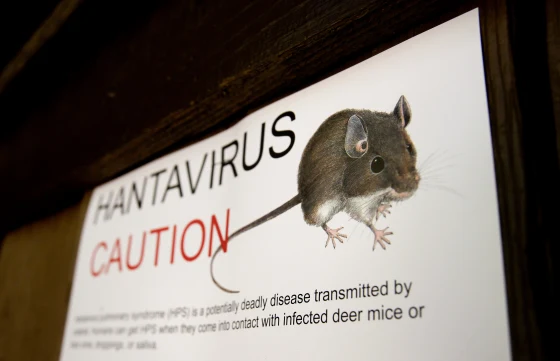
The earliest manifestations of this illness are flu-like in nature. They include a fever, a feeling of tiredness, a range of muscle aches affecting mostly your larger muscle groups, headaches, vomiting and stomach pain. What distinguishes this illness from the flu, though, is the appearance of severe respiratory failure shortly after the initial symptoms appear (within four or five days). In the later stages, you will experience either extreme difficulty breathing, coughing or very severe pneumonia requiring mechanical assistance to breathe.
The peak mortality incidence occurs between days five and eight following the development of the initial symptoms. The only treatment option currently available for this condition is supportive care (i.e., supplying oxygen as needed, providing fluids and/or food), as there are no antiviral medications or vaccines approved by the Food and Drug Administration.
Ribavirin has been shown in clinical trials to reduce the mortality rate associated with this illness by 50 percent, but it has not yet been approved for use in the United States. If you are hospitalized early following the onset of the initial symptoms, your chance of surviving dramatically increases.
Business Travel and Facility Exposure
The corporate risk for exposure to rodents can take the following forms:
1. Vacation properties: 62% of the reported 2026 cases were associated with spring cleaning, including remote team retreats, executive team travel, and properties for entertaining clients — all of these would require rodent sweeps to be conducted prior to any visit.
2.Construction sites: Temporary offices and construction sites in rural areas are "temporary" as OSHA recommends the use of established protocols for hantavirus exposure ("the right way to control").
3. Storage/distribution: Warehouses are infrequently opened, mostly used during specific seasons, and have HVAC systems that aerosolize dirt during the initial start-up.
Travel managers should monitor for bookings made in Arizona, New Mexico, Colorado, Utah and California, as this is where 95% of all reported exposures are occurring within the U.S.

Business Continuity Impact
- Workforce disruptions: After a very contagious 2-3 week period of illness, it typically takes survivors 4-8 weeks to fully recover (if they survive). Remote teams can lose key members during critical periods due to this extended illness period.
- Legal risks: If an employee contracts an illness directly traceable to the workplace, an employer may received an OSHA citation as a result of the exposure. An average workers compensation claim for Hantavirus-related hospitalization is approx. $450,000.
- Insurance Considerations: Many business travel insurance policies exclude coverage for "known endemic areas" unless specific prevention measures are appropriately documented. Review and update risk disclosure procedures now.
Vendor and Partner Management
- There must be use and the inclusion of; hantavirus language in rural lease agreements in the real estate portfolio. Every year, a property audit is required.
- Event planners must have to have above and beyond a rodent clearance letter for any cabin retreats or offsites, from any of their vendors, before their event occurs.
- Construction site safety plans include both hantavirus, heat related stress, and silica protocols.
- Remote employee return to the office policies must screen employees for a previous exposure to rodents.

Travel Policy Updates for 2026
Immediate actions:
- Schedule risk assessment of both CDC case data and the mapped risk of rodent infestation
- Require vendor contracts to include certification for rodent control
- Train all employees on rodent control (15 minute online training) prior to rural travel.
- Provide emergency protocols to employees with flu-like symptoms who have had rodent exposure (call 911 for emergency room transportation)
- Verify that the executive travel policies provide for medical evacuation in case of hantavirus and that there are ECMO facilities within 2 hours of the rural location.
Cost: Average cost to retro-fit $2500 per property for prevention and $450,000 average hospitalization due to hantavirus. Simple calculations.
The Business Calculus
The hantavirus is at a dangerous crossroads: It has a high chance of occurring but is extremely dangerous when it does happen. A team can stop working for months after a single exposure to hantavirus. Preventing the risk of hantavirus is very inexpensive (less than 1 percent of the risk). Successful companies are beginning to treat their hantavirus risk as they would treat their cyber security risk by treating it boring until it becomes fatal. The updated travel policies and vendor requirements, along with employee training, will reduce their risk of hantavirus exposure by about 95 percent.
The spring of 2026 will be a time when all companies can reduce their exposures and be viewed as first movers in the marketplace. Therefore, the announcement of any higher level of risk related to the hantavirus will provide the necessary operational conditions for companies to conduct due diligence for their continued existence.
Latest Posts