

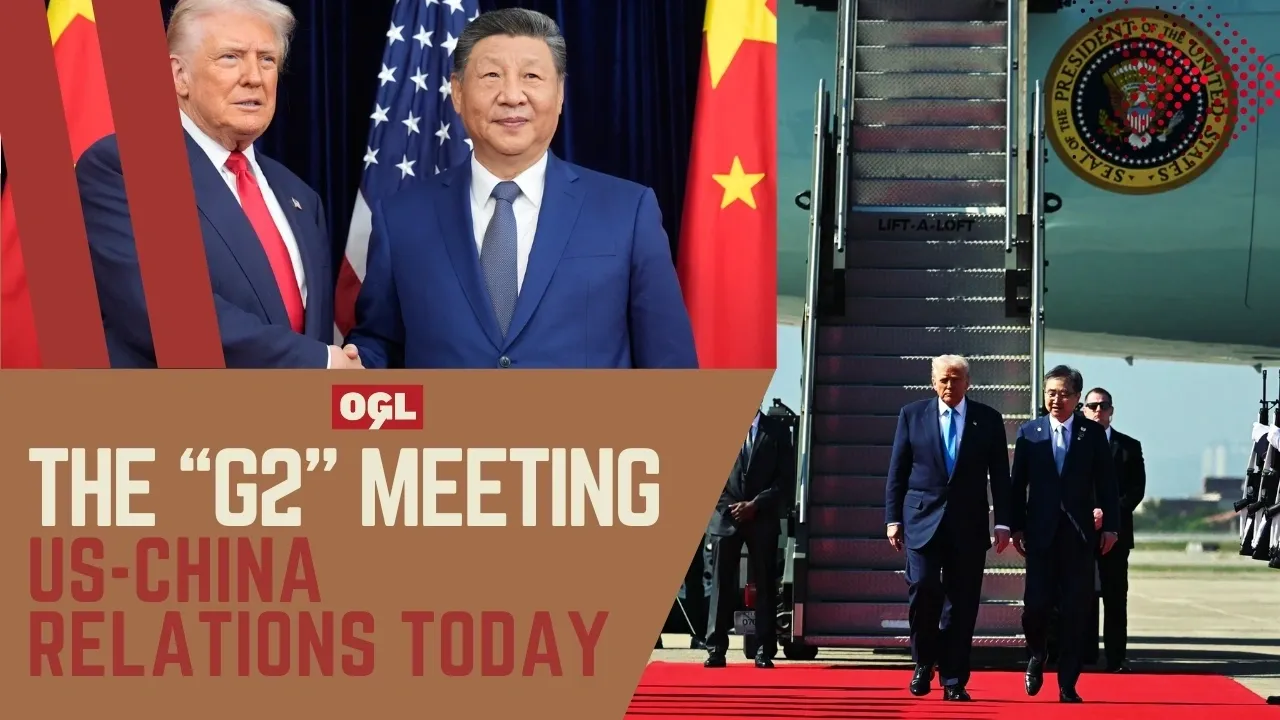
The G2 Summit Trump and Xi Jinping Meet in Beijing
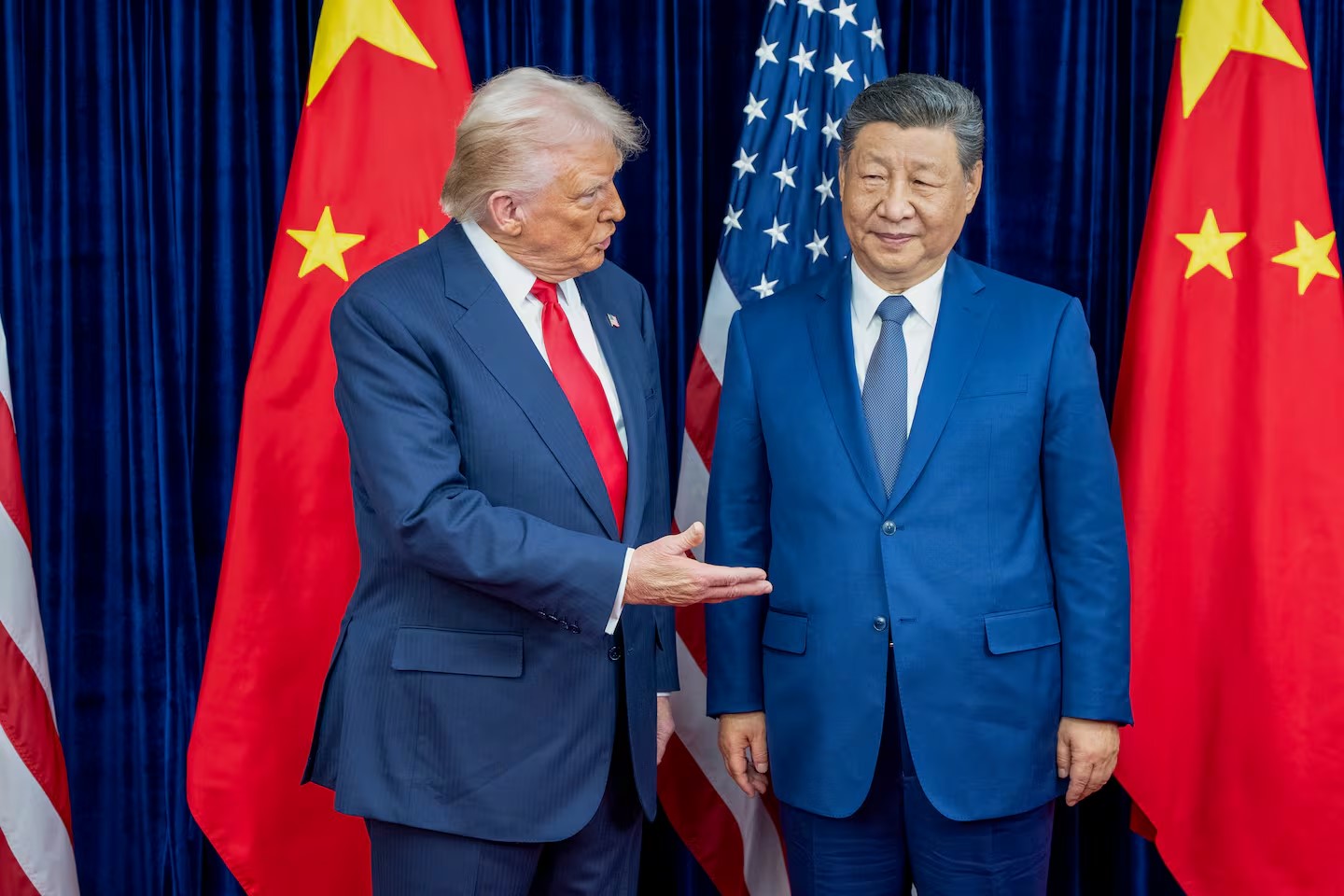
This summit will have significant implications for all businesses across the globe as both China and the United States continue to struggle with each other over trade, the Iran conflict and the ongoing tensions between Taiwan and China. All of these issues will have a major impact on 600 billion dollars of trade flowing between the two sides, the supply chain for semiconductors, the price of rare earth materials and the way companies access their markets throughout all of Asia.
Beijing's Fortress Welcome
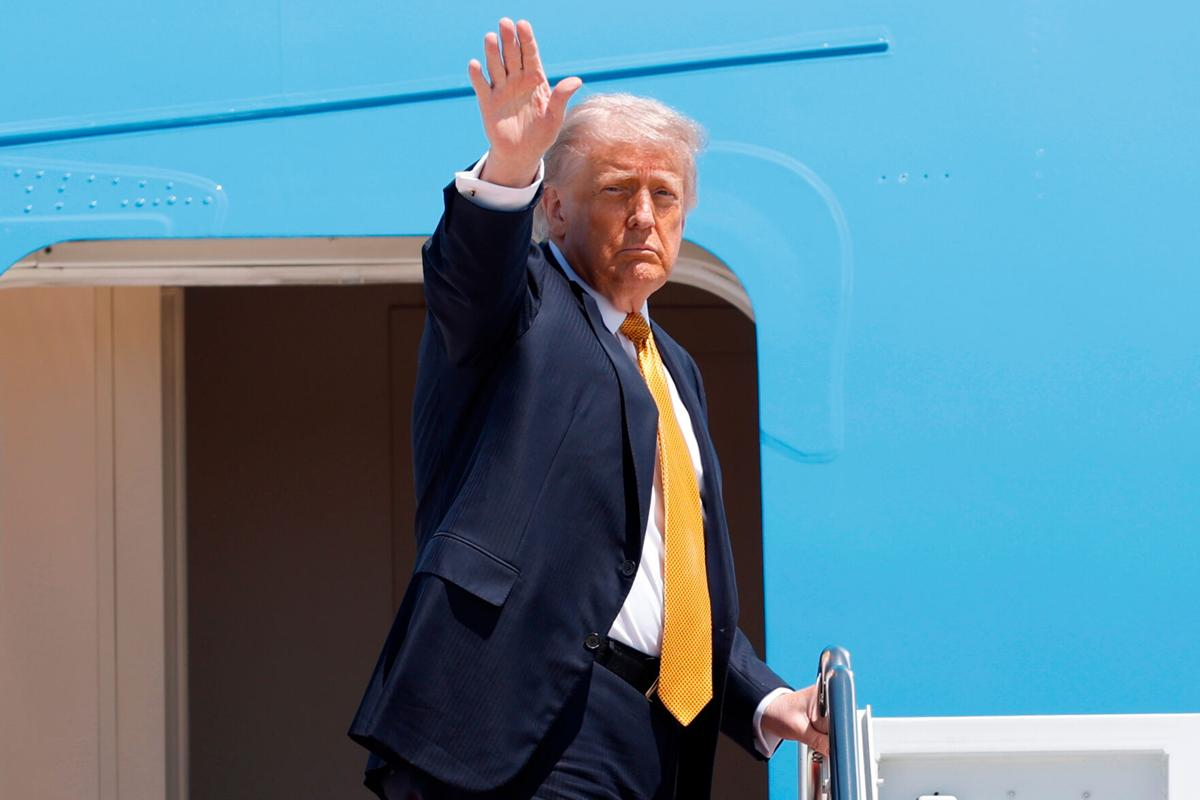
As Donald Trump arrived in Beijing, this city was turned into a security fortress, with significant landmarks being closed down and an impressive number of security measures implemented around the Great Hall of the People. The perception of the event is significant.
By hosting President Trump and signalling power to him through this type of venue is a demonstration of strategic self-confidence on behalf of China at a time when both economies are looking for stability. Additionally, the presence of high-profile technology leaders such as Elon Musk and Tim Cook, along with Treasury Secretary Scott Bessent, also speaks to the reason for the meeting: to address the $1.2 trillion in priorities associated with both countries' access to each other's marketplaces.
The High-Stakes Agenda
The ongoing dialogue has focused on the three intertwined crises. First, with Iran affecting the Strait of Hormuz, Trump has asked China to use Pasdaran as a mechanism for de-escalation given the amount Beijing spends ($3.2 billion) on oil imports per month through the Strait. China's response on military involvement has been negative; they are very supportive of the economical stabilization component.
Second, Trump is requesting an extension to the trade truce. The Busan agreement is set to expire in Q3 2026, and Trump has made requests for rare earth quotas along with agricultural access; Xi is looking for a pause on the arms embargo against Taiwan, and expansion of semiconductor waivers. Boeing has around $100-120 billion of backorders and the US has approximately $45 billion in farm exports. These are substantial anchors for the two parties to reach a resolution.
Third, the "red line" regarding Taiwan. Xi has made the issuance of wealth management licenses predicated upon U.S. acceptance of "One China," while Trump is attempting to find the limits of his strategic ambiguity on Taiwan. The timing of TSMC's fab in Arizona is unlikely to be resolved horizontally or other than through diplomatic means.
Business Delegation Priorities
Specific requests from Technology's chief executives represent an estimated market opportunity of $2.5 trillion:
1. Tesla - Seeks approval for Full Self-Driving Level 4 capability and to permit expansion of the Shanghai Gigafactory to produce $25,000 electric vehicles for the middle class in China.
2. JPMorgan - Plans to obtain a total of approximately $500 billion in licenses for wealth management, as the Chinese affluent are beginning to look for opportunities outside of China.
3. Boeing - Has received an order for 200 aircraft subsequent to re-certification of the 737 MAX.
4. China - Offers to remove their entertainment quota from Hollywood and issues approval for Disney+, while balancing the exportation of culture with receiving opportunities to obtain market access.
Economic Interdependence Math
Bilateral trade was $600 billion in 2025 ($180 billion US exports; $420 billion US imports). Rare earth minerals (dominated by China over 95%) create log jams for electric vehicle batteries, defence systems, etc. Phase 2 trade framework will trade Huawei licensing for commitments on enforcement of intellectual property rights and access to cloud computing in China.
Apple is bringing up to full speed suppliers in Vietnam but is still going strong in China; sees China approaching $100 billion in revenue for Tesla by 2030. Availability of the Nvidia H100 for Chinese hyper-scale cloud service providers will be partially based on semiconductor waivers
Geopolitical Flashpoints
China requires Iran to limit U.S. involvement in the Taiwan Strait before they will cooperate to secure the Strait of Hormuz. Meanwhile, the Iranian Pasdaran continue to buy oil from China even after sanctions have been imposed, sustaining an annual trade of $40 billion.
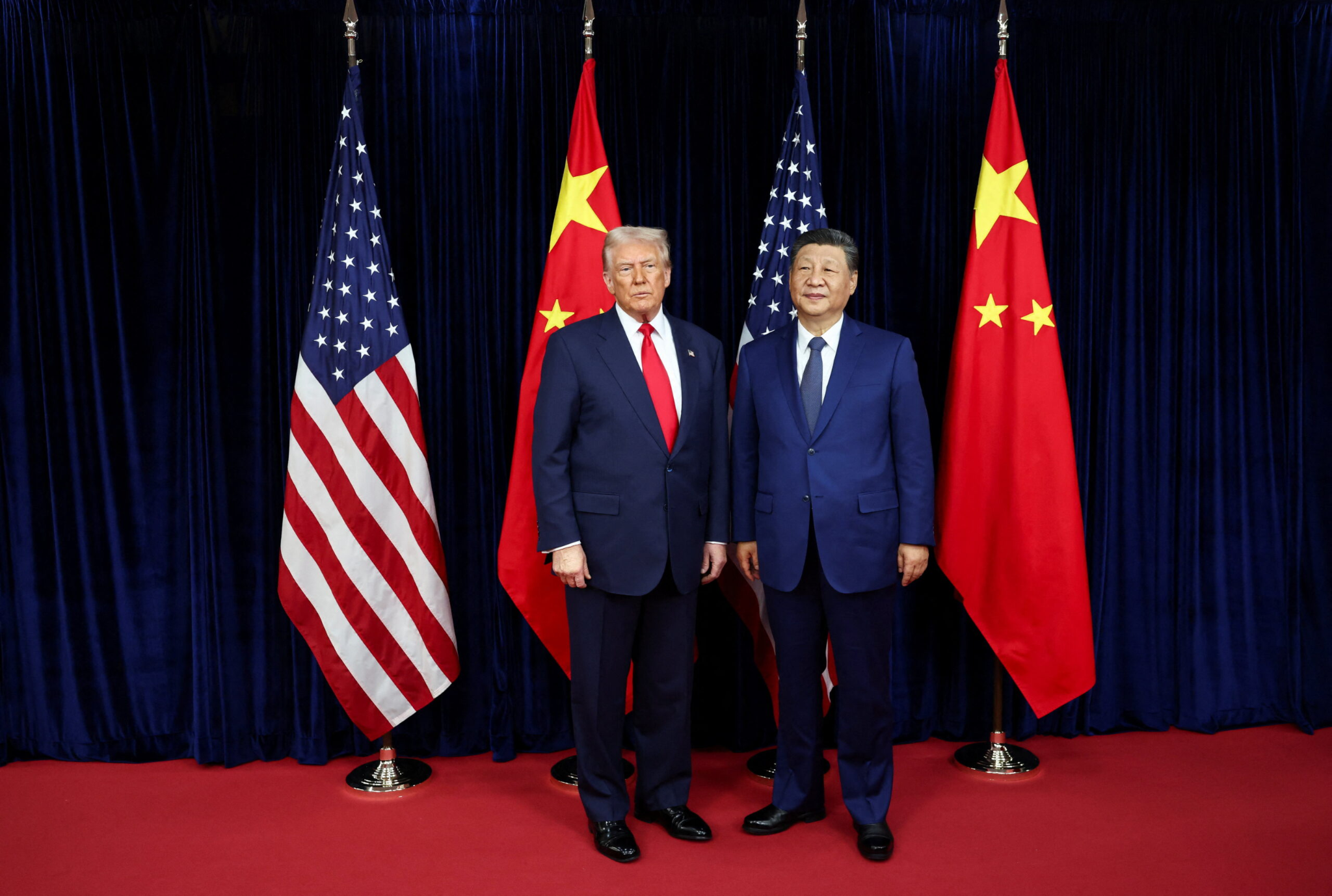
In Taiwan, Xi Jinping states that a moratorium on arms sales to Taiwan will be contingent upon China allowing Taiwan to purchase an additional $300 billion worth of U.S. goods. In addition, Donald Trump has tested the boundaries of the Taiwan Relations Act while suggesting a defensive arms-only arrangement.
In the area of Artificial Intelligence governance, the U.S. and China seem to be working together within the framework of a treaty that balances export controls rather than keeping them separate while establishing mutually acceptable joint safety standards. Lastly, there is an incentive for both sides to cooperate rather than confront each other, with the combined market for AI being projected to be $1.8 trillion by 2020.
CEO Diplomacy as Market Signal
Business executives attain direct Xi access, equating to several billion in concessions. Musk is likely to be granted robotaxi test approvals, Cook to lock iPhone production allotments, and Dimon to be able to develop wealth management licenses. Boeing reaffirms their commitment of 200 planes.
The liberalization of content for China is likely to include ( Disney, Hollywood) and also allow for Semiconductor Breathing Room; therefore, the personal chemistry between Trump and Xi is the determining factor in the length of any truce.
G2 Rhetoric vs. Strategic Reality
President Trump's use of "G2" to describe his and Beijing's plans for world management refers to a possible Bipolar world order intended to create an environment where America and China will have equal access to leadership and influence. China's goal was to expand its dominance over other nations in terms of economics via BRICS; thus, it cooperated with the Global South but also had a more practical relationship with the United States. The purpose of this summit appears to extend the truce of Phase 1 from 2020 to 2027 so that negotiations for complete implementation of Phase 2 can be postponed due to uncertainties surrounding Iran.
A digital-first focus would mean that all businesses should model trade stability as a base case while using geopolitical disruption as an overlay to determine the financial implications for those businesses. Although the length of the extension to the truce will further increase the amount of revenue that China can generate through trade with America as a result of any/all future truce extensions. Businesses should be in a defensive posture to protect themselves against any negative consequences that may occur if Taiwan declares independence or if Iran becomes more involved in the Middle East.
The reality of all business leaders should be that they have greater access to CEO level decision makers than they have to government ministers. The current level of economic interdependence between America and China is estimated at $16 trillion, creating a clear need for both countries to act based upon sound and practical business principles. The upcoming G2 Summit presents an opportunity to determine if the new norm of personal diplomacy can help stabilize what has become one of the world's most important bilateral relationships in light of the many competing crises occurring around the globe.
Latest Posts