

The Future of Automobiles 7 Groundbreaking Innovations Poised to Transform Driving
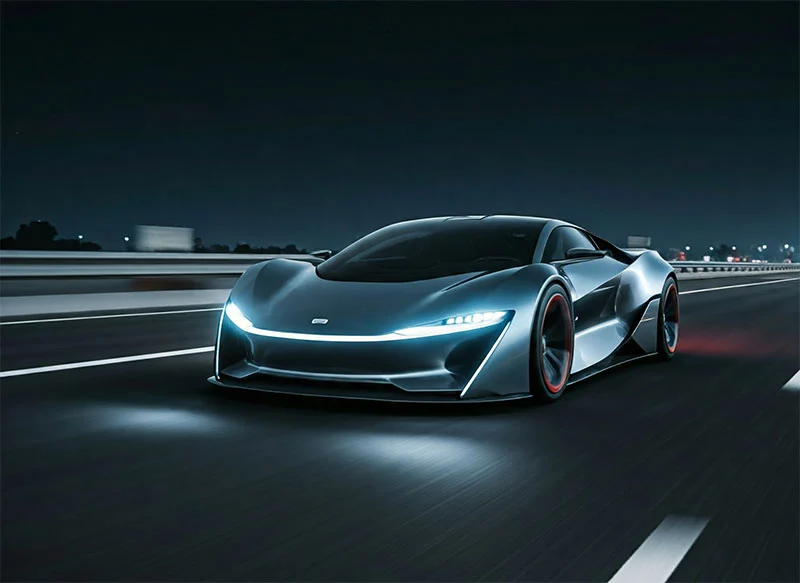
1. Electric Vehicles (EVs): Ushering in a New Era of Clean Mobility
The global shift from fossil fuels toward electric propulsion represents one of the most significant paradigm changes in automotive history. Leading manufacturers are aggressively investing in electric vehicle technologies, while governments worldwide support this transition through subsidies, incentives, and infrastructure development, such as widespread charging networks.
Today’s EVs are becoming increasingly affordable, with advances in lithium-ion batteries boosting driving ranges and slashing charging times. Expect a growing diversity of electric models—from compact urban cars to high-performance SUVs—covering many price points. As battery technology continues to evolve, EVs will become a mainstream choice for families and commuters alike, significantly reducing carbon footprints.
2. Autonomous Driving: The Rise of Smarter, Safer Vehicles
Self-driving cars are rapidly moving from science fiction to reality. Tech giants like Tesla, Waymo, and Apple are pioneering AI-powered vehicles capable of handling complex driving environments—including navigating city traffic, self-parking, and avoiding potential collisions.
While fully autonomous cars are still nearing mass adoption, many new vehicles already feature semi-autonomous capabilities such as adaptive cruise control, lane centering, and automatic emergency braking. These features enhance safety, reduce driver fatigue, and pave the way for fully autonomous travel in the near future.
3. Vehicle-to-Everything (V2X) Communication: Cars That Talk to Their Surroundings
Imagine a car that communicates not just with other vehicles but also with traffic lights, road infrastructure, and even pedestrians’ smartphones. This is the promise of Vehicle-to-Everything (V2X) technology. By sharing real-time data, V2X systems can alert drivers to hazards, traffic jams, or road work ahead, enabling smoother traffic flow and preventing accidents.
As urban areas embrace smart infrastructure, cars equipped with V2X will contribute to more efficient, connected transport ecosystems, making driving safer and less stressful.
4. Sustainability in Manufacturing: Greener Materials and Processes
The future of cars extends beyond how they operate to how they’re constructed. Leading automakers are adopting sustainable manufacturing techniques to cut down environmental impact throughout the vehicle lifecycle. This includes using recycled and renewable materials in interiors—like fabrics derived from ocean plastics—and committing to energy-efficient, carbon-neutral factories.
Such holistic sustainability efforts aim to reduce the overall carbon footprint of vehicles, ensuring that greener technology starts from the assembly line itself.
5. Connected Cars and Enhanced Infotainment: Driving Meets Digital Life
Modern vehicles are increasingly connected, offering seamless integration with the digital world. With 5G connectivity and robust in-car Wi-Fi, your vehicle becomes a mobile smart hub. Infotainment systems now provide real-time navigation, voice-activated controls, entertainment streaming, and over-the-air software updates that keep your vehicle fresh without dealership visits.
Futuristic features may include augmented reality dashboards that project navigation onto windshields and virtual assistants capable of managing everything from climate control to scheduling service appointments.
6. Subscription-Based Ownership: Flexibility Over Ownership
Car ownership models are evolving in response to changing consumer preferences. Rather than purchasing a vehicle outright, many people opt for subscription services that bundle insurance, maintenance, and roadside assistance along with access to a variety of cars they can switch between.
This pay-as-you-go model suits urban lifestyles and those who crave the latest technology without long-term commitments, providing convenience and cost-effectiveness.
7. Advanced Safety Enhanced by AI and Sensors
Safety technologies are advancing rapidly thanks to AI-driven sensor networks including radar, lidar, and cameras that continuously monitor vehicle surroundings. This data allows immediate responses to threats—providing alerts for collisions, blind spots, lane departures, and pedestrians.
As AI becomes more sophisticated, predictive systems will anticipate dangerous situations before they arise, giving drivers—and self-driving cars—more time to react and avoid accidents.
Conclusion
The future of driving extends well beyond transportation; it’s a convergence of intelligence, sustainability, and user-centric innovation. These transformative technologies are not only enhancing safety and comfort but also fostering eco-friendly travel and smarter cities. Whether you’re preparing to buy your next vehicle or simply fascinated by automotive evolution, tuning into these trends ensures you stay ahead in a rapidly shifting landscape.
Buckle up—the future of automobiles is speeding toward us faster than ever.
Latest Posts