

The End of an Era Tim Cook to Step Down as Apple CEO in September
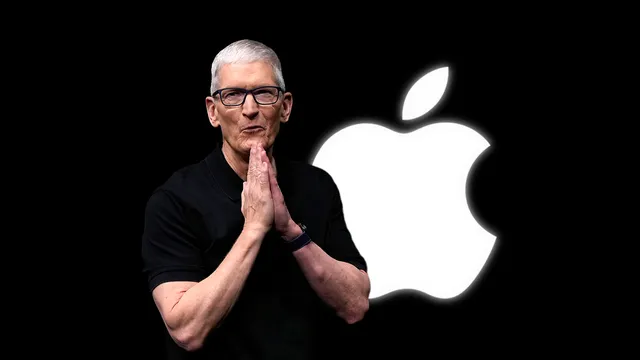
For all intent and purposes, the transition from Cook to Ternus marks the official end of the chapter which has defined the way in which Apple has developed and maintained itself over the last fifteen years.
Why this matters now
Tim Cook's leadership of Apple has transformed the organization into a 4 trillion dollar company that not only produces electronics but also provides an extensive platform for software, services, wearables, and entertainment. Tim Cook has built one of the most efficient supply chains in the world. Many people will say that Apple has lost some of its ‘magic’ since the death of Steve Jobs, but the company continues to grow.
Tim Cook's transition as CEO will have implications for the entire company; Apple will not only see a change in leadership, but they will also see a new perspective for making product, artificial intelligence (AI), hardware, and long-term capital investments.
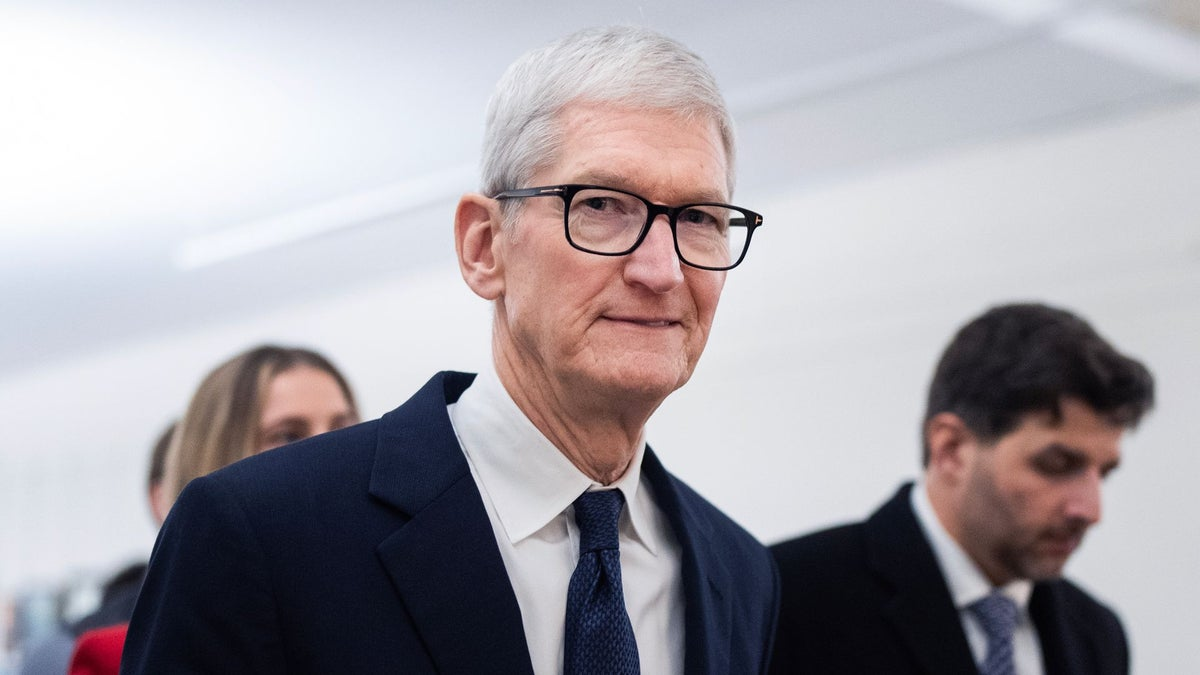
Who John Ternus is
John Ternus has been with Apple long enough to know the company - he’s spent years working on the inside, and now he leads the hardware side of Apple’s business, so he fits Apple’s model for a successor: technical, product-focused, and already trusted by the Board.
That’s important because Apple’s next phase won’t be just marketing hype. Apple has no choice but to show it can still deliver solid leadership with transitions in how AI capabilities are evolving, how fast devices will cycle through users and how rapidly ecosystem expectations are changing. John Ternus is viewed as someone that has a strong sense of the engineering culture Apple wants to maintain over time.
What Cook leaves behind
Cook has an unusual legacy, with two components: financial and operational. He has taken a company that was primarily an iPhone story, to the number one valued company in the world; and his operational excellence, privacy positioning, and calm, rational leadership style have been opposite of the founder-based mythology of Apple's early years.
Due to this style, Cook has been able to keep Apple steady in the face of supply chain disruptions, changes in regulations, and shifts in consumer behaviour; and it has also made him one of the most admired CEOs in the world—even among those who believe that Apple can move faster towards things like AI and next-generation product categories.
While Tim Cook's exit is notable for many reasons, one is the fact that it doesn't appear to be causing much panic for Apple internally. Over time, Cook has taken Apple from being primarily a founder-led company (i.e., it was often viewed as a high-risk gamble on Apple's part) and transformed it into an extremely disciplined organization where succession is considered to be an orderly process rather than a dramatic event.
In addition, the transition to John Ternus also appears to imply that Apple will focus even further on hardware, product engineering, and execution of their ecosystems over the long run. As the market has become ever more focused on flashy AI promises, I believe that the ability for Apple to continue to maintain this level of strength is somewhat understated; however, I believe this is the primary reason why Apple continues to be at the forefront of all technological advancements.
The business questions ahead
There are some practical considerations that will be highlighted as part of the leadership transition that investors will continue to monitor. The first is whether Apple can continue to have a premium brand while updating their product story. The second is whether Ternus will add more of a hardware-first approach to a company that needs to move more quickly to integrate AI, services and devices in a seamless way. The third is whether the transition will remain boring (in the best sense) without impacting execution.
All of these questions are significant. Since Apple is so large, being able to operate as it continues to grow (moving forward) has been more important than having drama inside of the transition from one company to another; normally when inheriting from one company to another the market appreciates having a smooth transition, as opposed to a chaotic one. This obviously shows how much planning has gone into making sure that Apple has been well prepared for this transition.
What does it mean to the market?
The next CEO of Apple in 2026 will be an example of just how important it is for business leaders to have a thorough succession plan as part of the overall business strategy and how well-planned organizations must be in anticipatory of their leaders when transitioning into a new leader who assumes leadership of a company with a long history. Tech companies depend on product cycles being very short and very long commitments of their customers via trust/building strong relationships over the years in an ecosystem.
Market participants evaluating whether or not they still perceive Apple as an Apple company (beyond what will happen to profits) once Tim Cook's term has ended will have one set of metrics (e.g., stock price), while evaluating whether they still perceive the same quality during a transition period will depend on a different set of metrics. Whether or not Tim Cook's transition at Apple was accidental will have no effect on the overall brand equity that Apple has developed for itself and the perception of its brand following the conclusion of Tim Cook's term as CEO.
Ultimately, Tim Cook's legacy will be less about his resignation from Apple as CEO than it will be about the successful transition of who will continue to lead Apple into its next phase as an industry leader. The next phase for Apple as an industry leader follows the smartphone era, and the next milestone will rely heavily on the new CEO who succeeds Tim Cook to help define the next phase after the conclusion of his tenure as CEO of Apple.
Latest Posts