

The Delayed Bombing Why Trump Paused the Iran Attack at the 11th Hour
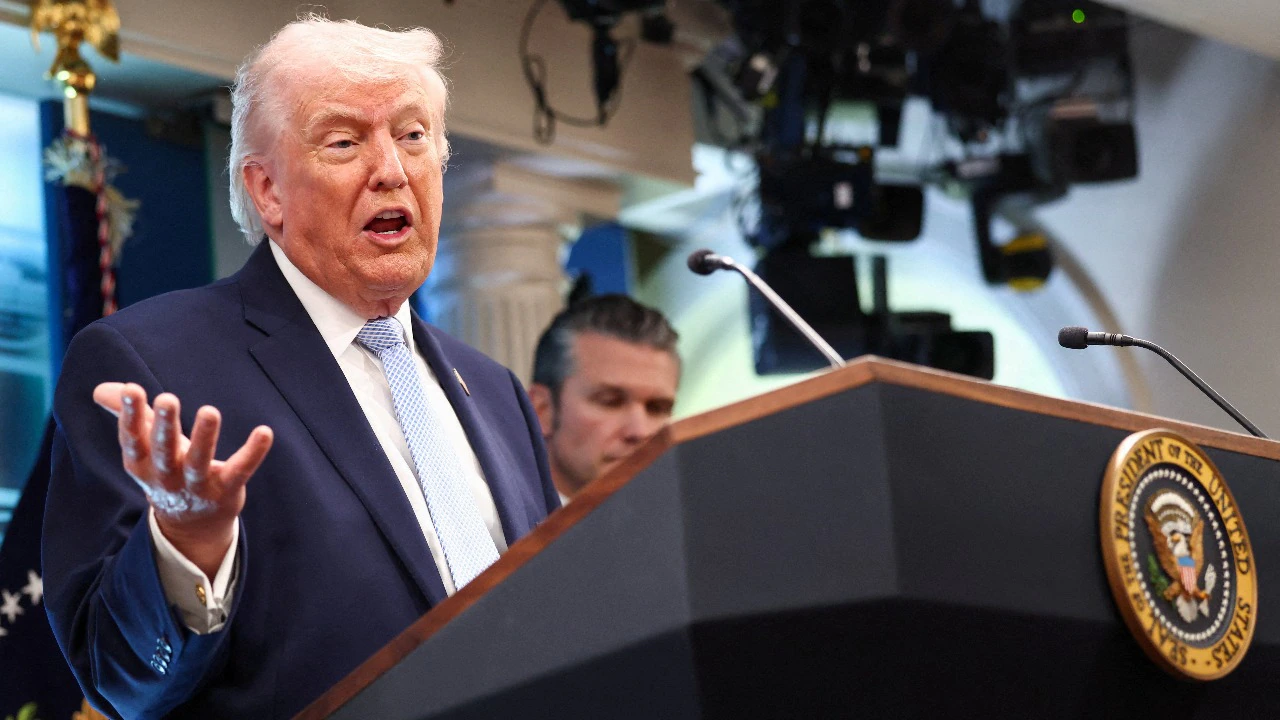
For business-oriented readers, the overall story isn't just the delay of this attack, but more importantly, the influence of allies and negotiations on making this decision.
What Happened
At the time, reports stated that Trump had authorized, prepared and was ready to conduct a military action against Iran only to back off at the last minute. The reason he provided was that the negotiations were still ongoing and that the Gulf countries had requested him to defer his action to allow for further diplomatic discussions.
Tracking this evolution of a decision like that is important, because it shows how fragile the balance is between military response and diplomatic negotiations. Even though aircraft or navy ships may have already been in position to conduct a strike, a president may elect to postpone an operation when he believes that the downside from escalation exceeds the immediate benefit sought. In this case, the pause could be interpreted as meaning that the President believes there may still be an opportunity to reach a negotiated settlement without resorting to the use of force.
Why the Pause Mattered
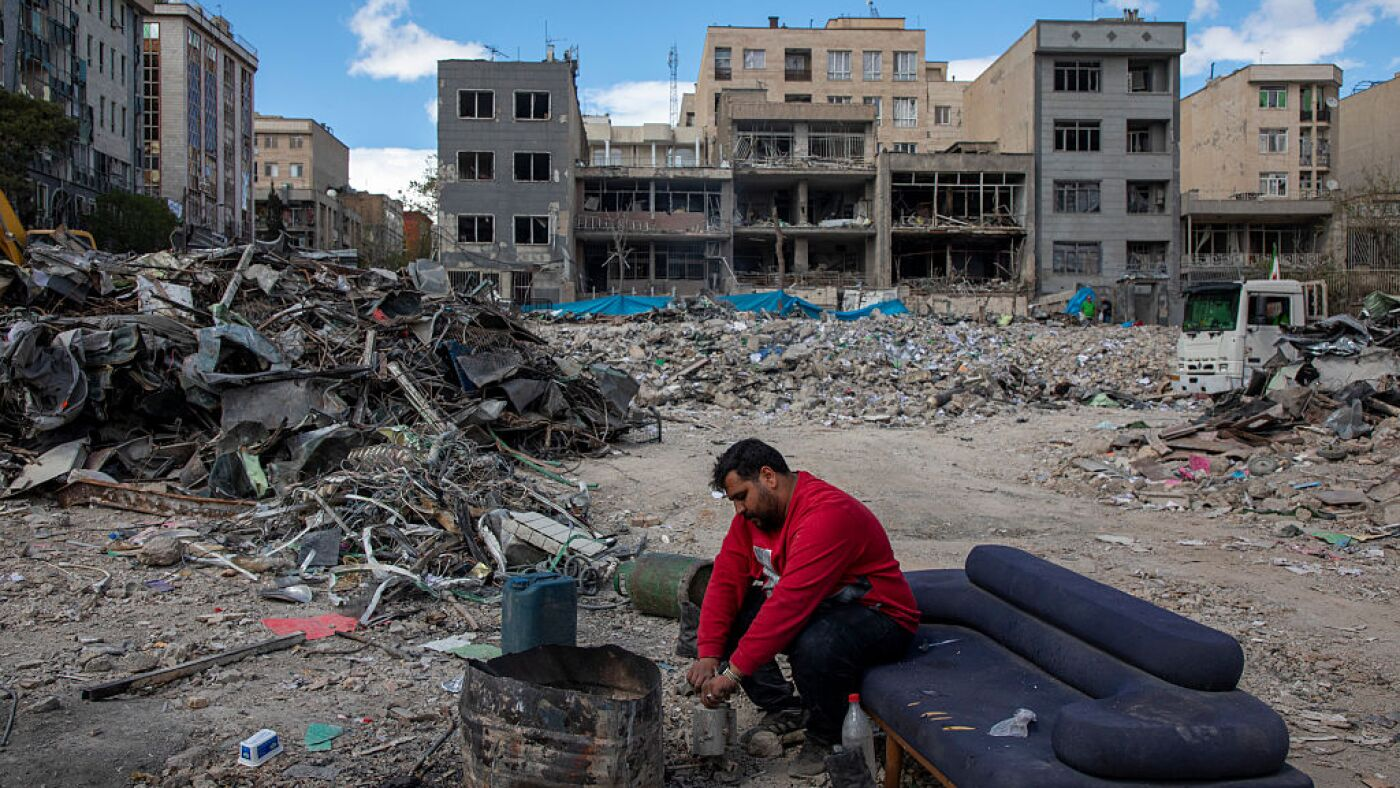
The postponement of the action was not a small rule change, it indicated that the administration was attempting to find a balance between deterrence and restraint, and that balancing act is difficult to achieve in a region where a single action may provoke retaliatory actions. Because of the nature of the Iranian response to a military strike against them, the ramifications of such actions could quickly reverberate through the global oil markets, result in disruptions along shipping channels, and disrupt plans for regional security operations.
Thus, governments and investors around the world were very attentive as to how this decision would be made. Factors leading to the decision could lead to the United States either commencing a bombing campaign or selecting to wait before making that choice; however, regardless of whether one needed time to assess the risk or needed time to wait for the right tactical/strategic combination, waiting caused a delay for action did purchase the United States time, but at the same time, the action could have been perceived as lack of response to the original threat.
The Business Angle
The greatest threat for companies is uncertainty; regardless of whether or not bombs have fallen. Energy companies, shipping firms, insurers, and multinational manufacturers usually respond to rising tensions regarding an impending U.S.-Iran conflict by increasing their risk profiles. As a result, markets start adding in an inflated amount of geopolitical risk into their price quotations for things such as crude oil prices and freight contracts before the first shot is fired.
When the Strait of Hormuz plays a significant role in increasing the potential for these risks, escalating tensions in areas near the Strait will cause concern about possible disruptions to supply chains, contributing to the desire of U.S. allies to resolve tensions sooner rather than later. Ultimately, their goal was to prevent a potential war while simultaneously protecting their trade, supply of energy, and regional stability.

Why Allies Asked for a Pause
According to the Gulf Partners, this is an important element to understand because it illustrates that military decisions rarely remain bilateral. For example, when the United States plans an attack on an enemy, the United States will often be affected by the situation first, therefore their allies in the region will likely be more hesitant to support this military action because they want to delay taking action if they believe there is still an opportunity for diplomatic resolution of the conflict.
Putting this in practical terms, this type of diplomatic pressure could result in changes to military actions even though they have been extensively planned. A number of leaders from Qatar, Saudi Arabia and the UAE have reportedly been instrumental in creating pressure on their respective governments to not take immediate action, which provided additional time for the parties involved to engage in negotiations. This demonstrates that in many cases, diplomacy is not about large formal speeches; it is about who calls whom in the last couple of hours before action occurs.
What It Says About Trump’s Approach
Donald Trump's response to various situations reflects the use of a certain consistent pattern. This pattern is: Establishing an acute deadline, applying intense pressure, and keeping the option to relent should a more favourable political outcome be realized further down the line. Although using this tactic as leverage is effective, it creates uncertainty for both allies and enemies in determining to what extent Donald Trump will actually go before he decides to withdraw his support.
To some the leadership style, expressed in this manner can be thought of as strategic flexibility in comparison to the market view, which is that uncertainty created by this leadership style adds volatility to the markets. Businesses generally like stability and predictability in policy, even if that policy is negative. Sudden change in the course of action from Donald Trump not only avoid confrontation but also makes it difficult for anyone who attempts to price the risk associated with any particular course of action.
The Bigger Takeaway
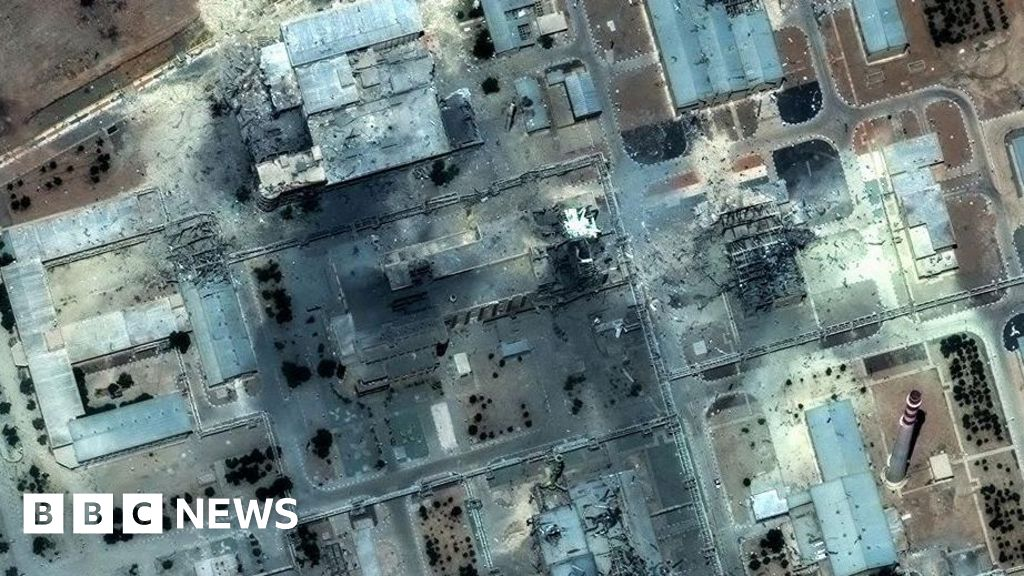
The bottom line is that there are often two simultaneous actions by military power and diplomatic pressure, as Trump's decision to hold off on a strike against Iran. The administration still seems to have been looking for a way to maintain leverage, but not push the situation into a wider conflict. Whether or not that was the best solution, it demonstrates how dangerously close things were to going too far.
From the perspective of entrepreneurs and corporate executives, this demonstrates that geopolitical issues that could escalate into an attack do not have to exist before they affect your strategy. In fact, there is sufficient potential for escalation of military force to impact global markets, change insurance premiums and alter logistics for your company. Therefore, even though this incident was not a military event, it is an important reminder that uncertainty is a reason for volatility in the market.
Latest Posts