

The Board of Peace Invitation to Putin
Although geopolitics typically does not cross over into corporate areas, it does not fall far from each other. Let's cut through the fog of this invitation to understand how the board will operate, how Putin has reacted to this invitation, what economic ripples may be created by this invitation, and how deal-makers should position themselves for the future based on these events.
The Board’s Blueprint: Elite Club with Entry Fees
Trump has called this an unprecedented assembly of high-powered individuals, having named many well-known figures including Tony Blair, Mark Carney, and Marco Rubio as the co-chairs. Those interested in permanent membership must commit at least $1 billion within the first year to fund rebuilding efforts in Gaza without being slowed down by lengthy deliberations at the United Nations. In addition to Israel being one of the founders, Belarus, Hungary and the seven majority Muslim countries that have signed on have all announced their support publicly.
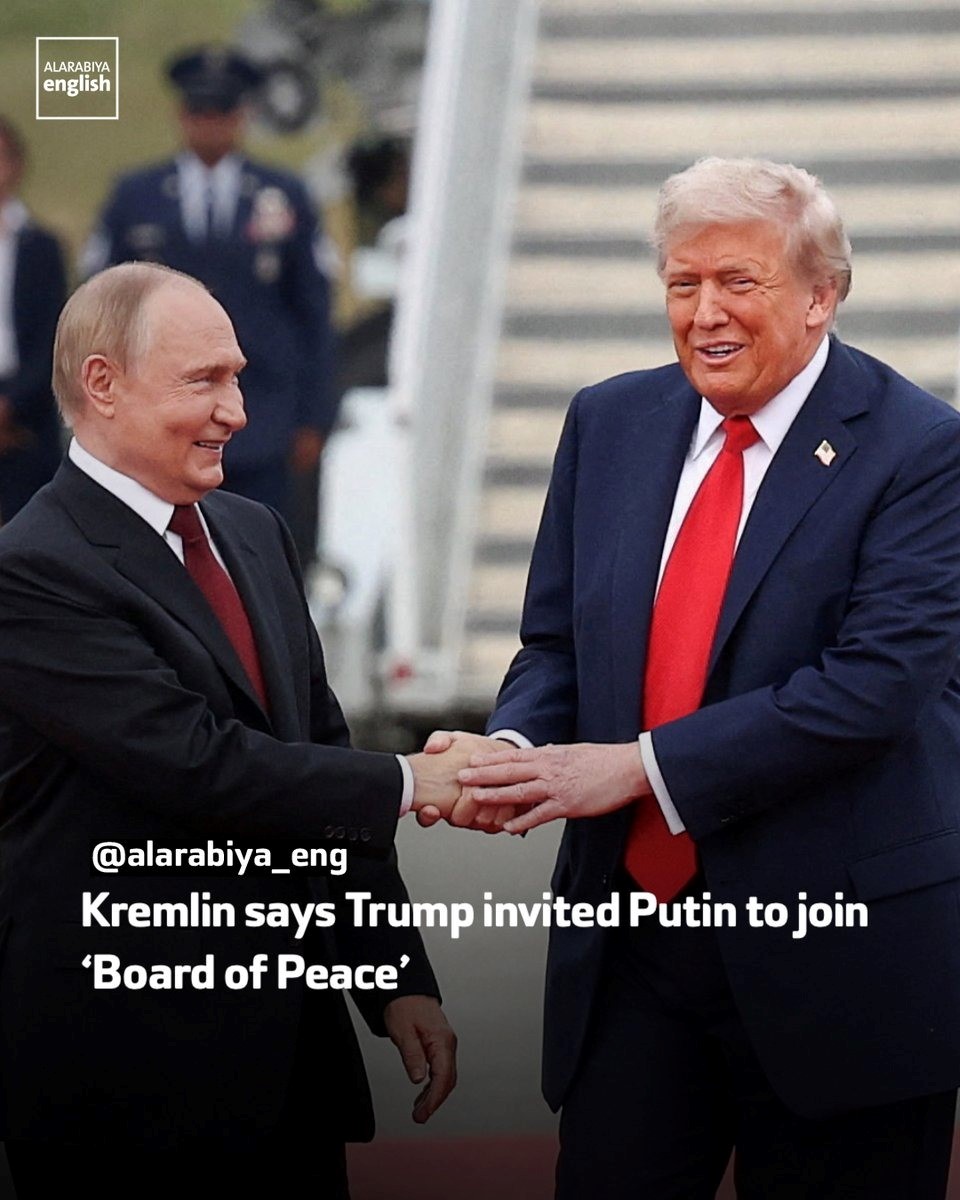
Russia's invitation was issued through a secret diplomatic channel and highlights the potential role that Russia could play as a mediator between Hamas and Israel because of its connections with Hamas. The board aims to increase both the speed of funding aid as well as to utilize private investment and will enable companies to provide aid without dealing with government bureaucracies and vetoes at the United Nations.
Putin’s Response: Gracious but Guarded
Putin thanked Trump publicly and in doing so, suggested a proposal to allow $300 billion of Russian sovereign assets that had been frozen to be redirected to pay Ukraine's reconstruction costs. Moscow has not formally accepted this yet and is currently "reviewing the proposal" in advance of meetings with Trump representatives Steve Witkoff and Jared Kushner. This strategy of negotiating sanction reliefs while pressuring Ukrain, is one of the many other strategies of Putin.
French President, Emmanuel Macron, has turned down this invitation to be on the Board of Peace. Which has further led to tariff warning by Trump. This is a reminder from President Donald Trump that the non-participating nations would suffer severe economic consequences. Undoubtedly, Putin's consideration in this case is weighing the prestige he would gain from providing support for Gaza against the backlash he might receive from NATO.
Economic Ripples
The reconstruction effort for Gaza could exceed $90 billion, with board insiders likely being awarded contracts for infrastructure, energy and security projects. Involvement by Russia will help stabilize the oil market; currently Urals crude sells at a 10-15% discount to the Brent market, while easing of Russian sanctions would narrow this premium to 3-5%, which would support refiners and traders.
This decision will affect US Defence contractors and the aid provided to Ukraine by the US will be exceeding $175 billion. If this proves to be successful at the Board Level, they will transfer their focus towards supporting Middle Eastern priorities. NATO members are scrambling to figure out how to deal with this situation as Germany looks for ways to re-establish energy security and Poland begins an aggressive campaign to become the leader of the Eastern European region.
Risks and Pushback
The optics surrounding inviting a leader like Putin into the club when casualties are over 500,000 and growing in Ukraine have caused outrage among various stakeholders in both Kyiv and Brussels. Critics have stated that the fees are a "pay to play" and by sidestepping the UN, it diminishes Multilateral Normalization of Relations. If Russia does join the club, you can expect to see fractures developing within the EU Energy Community, as those states that are currently energy dependent will embrace Russia and those from the Eastern flank will back away from working with the EU.
Hamas' presence is not discussed, but should they be involved in reconstruction efforts with no efforts made to disarm Hamas, there is a high potential for "backfire." The leverage played by Trump is testing all deal-makers' skills.
Business Strategies in Uncertain Waters
- Energy companies: You may want to hedge your exposure to the Urals price spreads and look for an opportunity to bid on offshore gas from Gaza.
- Infrastructure developers: Attempt to gain observer status as a first step to creating partnerships with other consortiums from Belarus and Hungary.
- Investors: You may want to buy dips in Russian-exposed Exchange Traded Funds (ETFs) if Putin accepts membership.
The current forward contracts are already pricing in a 50 to 100 basis point risk premium decrease. Therefore, keep a close monitor on any membership announcements made this week. New memberships may indicate forward momentum.
Thaw Catalyst or Diplomatic Mirage?
Putin's approach seems selective; it appears he is using goodwill towards Gaza as a bargaining chip for concessions regarding the Ukraine situation. If successful, this will elevate global volatility; if he fails, that will create more global volatility.
For the business world, it's time to establish the best positioning for success. The potential returns from Gaza on the winning side will be major. Be prudent in your decision-making; ultimately, the winner of this board will shape the future of trade and commerce on a global scale.
Latest Posts