

The Bio-Lattice Miracle Japanese Surgeons Successfully Implant First 3D-Printed Cornea
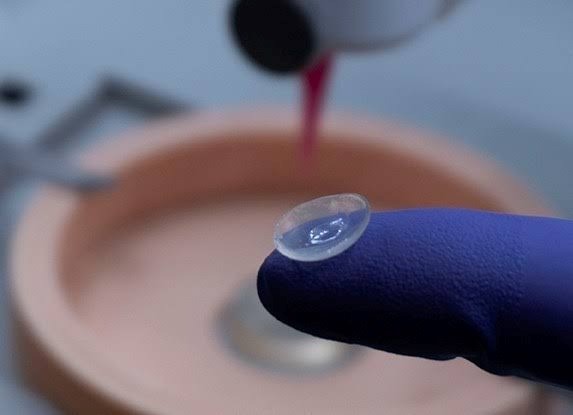
In addition to creating the "cornea-shaped" objects, this also represents significant advancement toward addressing the ongoing problems associated with lack of available donor corneas due to increased demand for transplants among patients suffering from corneal blindness, especially those suffering from corneal blindness.
Why this breakthrough matters
Traditionally, obtaining a corneal transplant required locating a donor's cornea, and finding a donor isn't always easy or equitable. The new method will allow the manufacturing of a cornea implant in the laboratory from cultivated human cells; as a result, this technique will ultimately create an opportunity for increased scalability of corneal implantation surgery that is less reliant on access to corneal donors.
This advancement in 3D Bioprinting isn't just significant for ophthalmologists. It's also signs that the bioprinting process is transitioning out of its research phase and into clinical use. For healthcare systems, investors, and medtech companies, this transition provides a pathway for developing new business models based on new manufacturing methods for tissue, new supply chains for surgical instruments, and new patient-specific implants.
What surgeons actually did
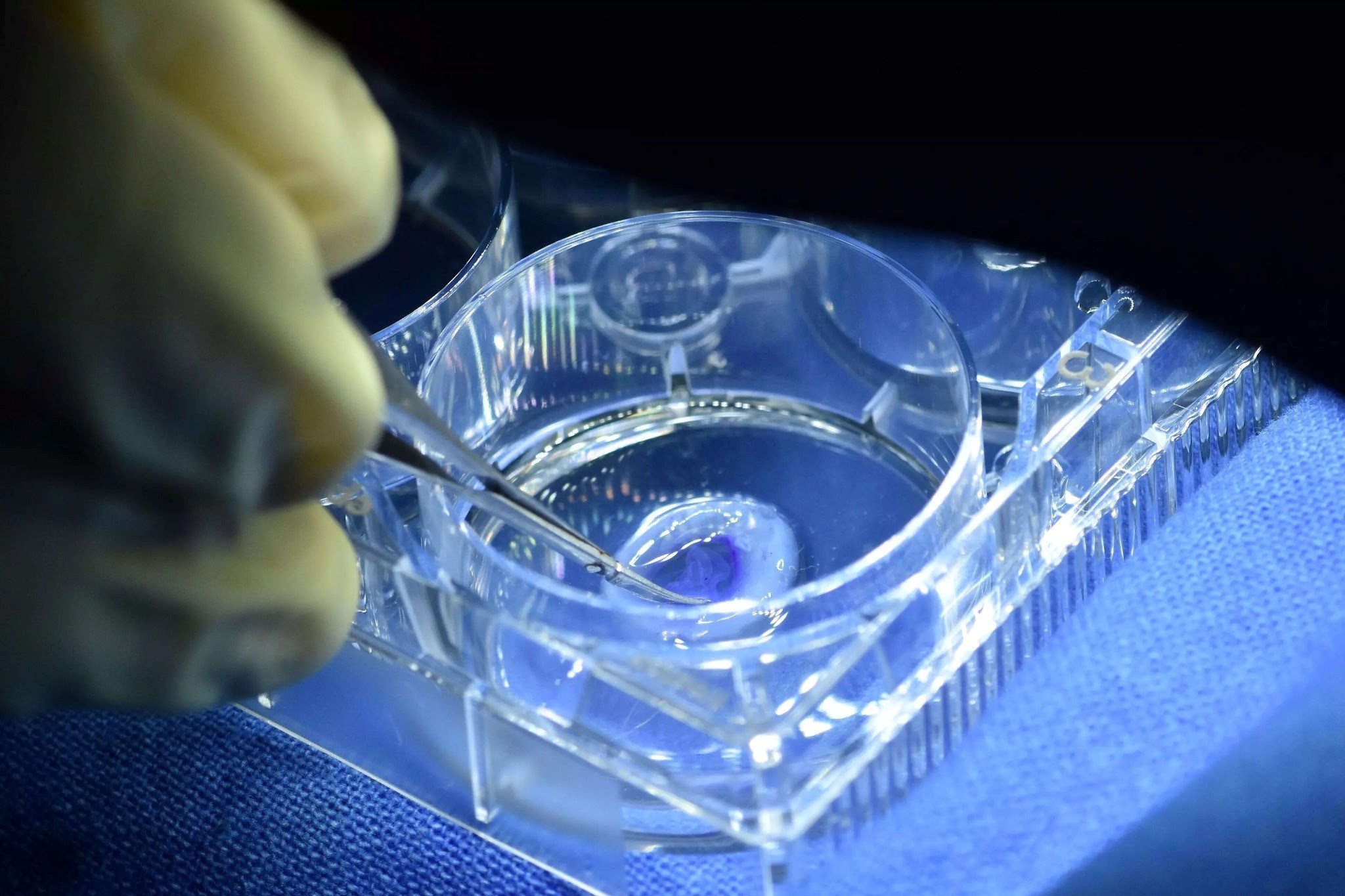
They used an engineered cornea that was made of living, active, human cells, instead of using tissue from a cadaver as the basis for the corneal structures. Therefore, this engineered cornea has more in common with normal living tissue than a plastic substitute or a temporary patch.
This creates a compelling shift in the way we view the concept of scarcity in medicine. Traditionally, corneal disease treatment relies on three variables, the availability of corneal donors who are available at the required time for surgery and who match the patient. By utilizing printable corneas, that logic will no longer exist since the tissue itself is made during a production process that is controlled. This does not remove any necessary regulatory or clinical caution associated with this type of treatment, but rather it introduces another element to healthcare systems that are in need of a clear predictable means of operation. Therefore, developing (for lack of a better word) a more uniform (repeatable) method of manufacturing services makes the planning for patient access, the cost of services, and the ability to produce enough services on demand much easier within health care operations.
Researchers have printed anatomical models of corneas, based on the lattice pattern of the natural anatomy, prior to the use of a clinical-engineering product (In this case, corneas created by a lab) for a human patient. The transition from the ability to successfully print the cornea to being able to print the cornea safely, consistently, and cost-effectively will shift the conversation’s focus from "Can we do this?" to "How long before we can do this?"
The business case behind the science
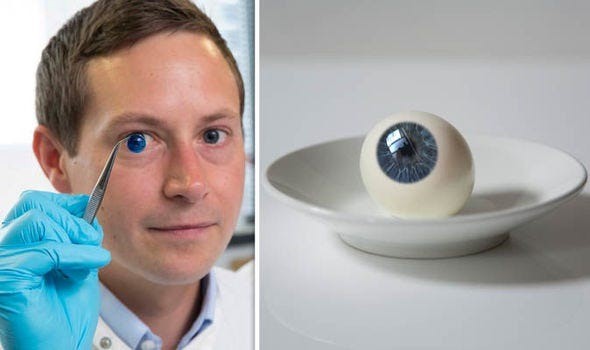
This is the exact type of breakthrough that will attract investors in the field of regenerative medicine. If one sample can eventually create multiple implants, the economics become much more appealing than relying on a scarce supply of donors. This could lead to shorter waiting lists, improved access to care, and a more predictable pathway to manufacture for eye care providers.
This also signifies a larger change in the healthcare industry: surgery is becoming more industrialized in a positive way. Hospitals and biotech companies are beginning to think in terms of scalable production, quality assurance, and standardized biological materials. This is a vastly different model compared to the traditional transplant medicine industry, which has historically operated under constraints of scarcity and time.
Why the “bio-lattice” idea is exciting
The term “bio lattice” is appropriate because it describes the printed cornea as more than a flat replica—the transparent cornea requires its highly ordered internal structure to maintain its transparency and do its job as a cornea, so previous studies indicate that creating a lattice structure of closely arranged and ordered collagen fibers through 3D printing is capable of producing a transparent human cornea.
The key to being able to achieve this requires a high level of biological precision since the “magic” of regenerative medicine is not merely to reproduce a specific shape. It also includes considerations such as structure at the micro level, how the cells will behave, and whether or not what has been printed will properly integrate into the body. Even though the cornea is a relatively small organ, it is very important that all of the structures present in the cornea have a high degree of biological precision.
What comes next
Initially successful clinical trials provide hope and evidence to move forward, however, more research will continue the investigation into durability, safety, improvement of eyesight, and long-term viability of products by clinical pathologists across many patients for a breakthrough to exceed one time only headlines and become a new treatment standard.
Regardless, the numbers tell the story. If corneas can be 3D printed, this could provide one very clear picture of how vision restoration technology will improve both patient outcomes and health care economics. This is the important news for a digital-first business audience - the latest medical innovations can both offer excellent scientific advancements while changing the way that business operates.
From this perspective, there is a larger implication. This is about not just restoring vision for one individual; it is also about proving that we can manufacture, transplant, and ultimately democratize complicated human tissues in a manner that can alter the direction of eye care for many.
Latest Posts