

The Andes Cruise Alert 1,700 Passengers Isolated in France
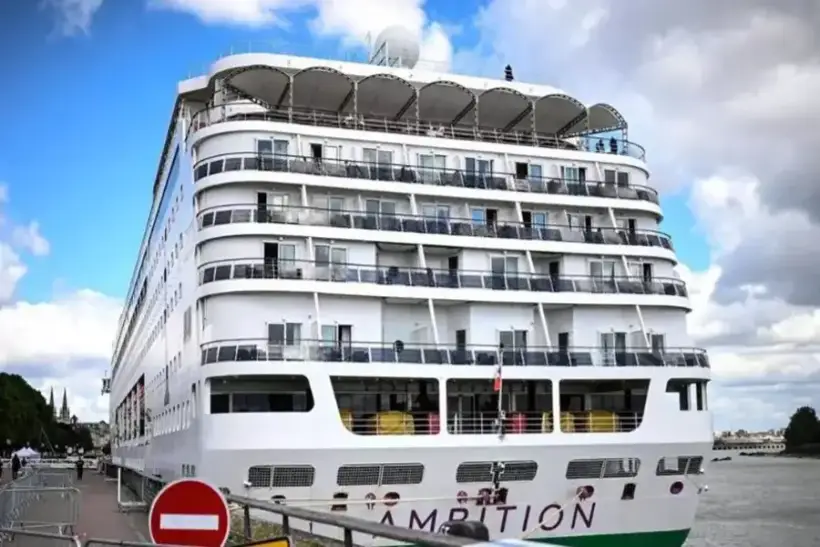
Bordeaux Port Lockdown
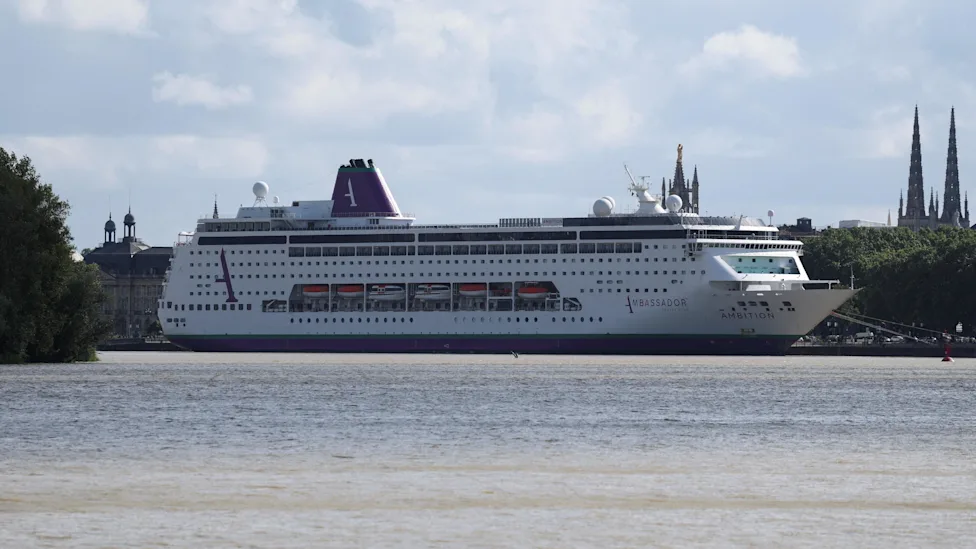
The ship came from Brest with mainly UK/Irish passengers and Indian crew and after the ship reported illness, the port was effectively quarantined as well. This incident for cruise line not only was about health but also an operational shutdown, customer service crisis and reputational test all at once.
Norovirus vs. Hantavirus Confusion
Some of the misunderstandings regarding the story stemmed from the initial confusion between the headline for the current situation and that of the prior Andes hantavirus epidemic associated with another cruise. This is important to understand because norovirus is a common, highly communicable disease with a rapid spread in confined environments. It generally self-resolves after a short period of time. Conversely, the hantavirus is very rare, uncommon, and potentially deadly. The situation changed from being an international public health emergency to being (1) how quickly a cruise outbreak might potentially disrupt travel; (2) how quickly a cruise outbreak might potentially disrupt logistical operations; and (3) how quickly a cruise outbreak might lead to a loss of consumer confidence.
Business Impact: Immediate Financial Hit
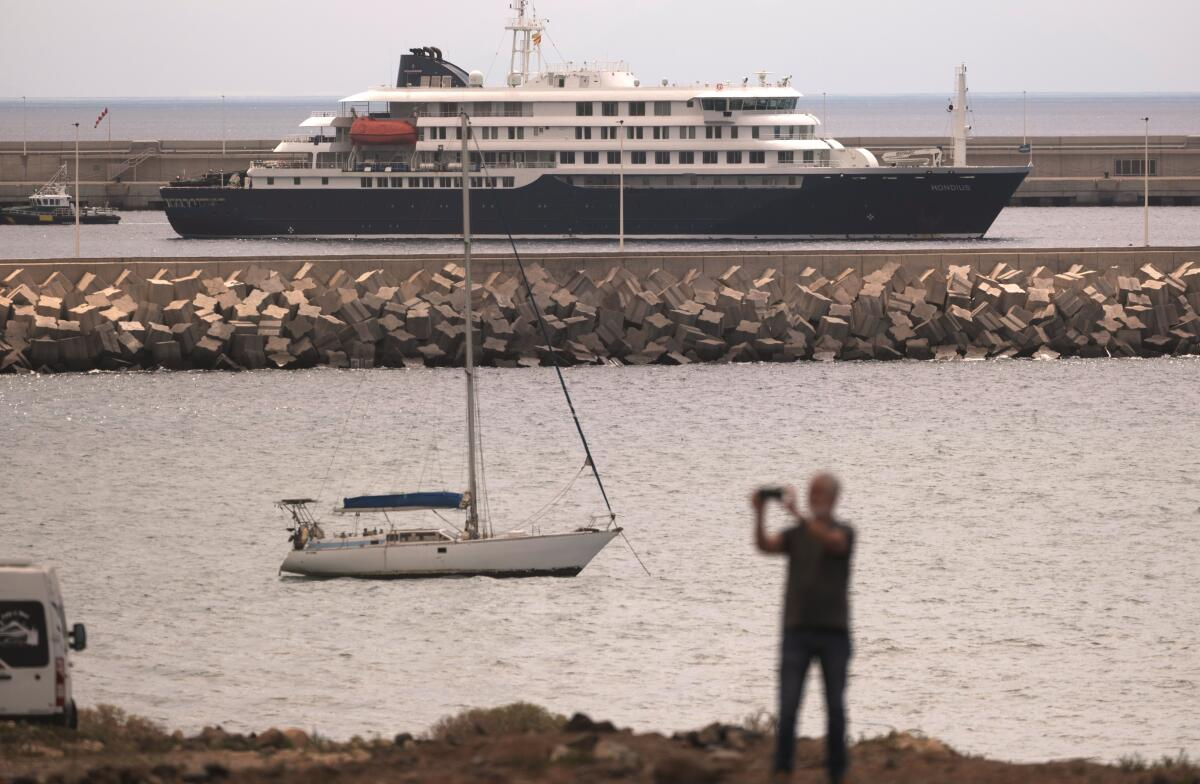
A cruise quarantine like this creates a cost that is significantly greater than just the passengers on board the ship. In addition to lost revenue from delayed or interrupted voyages, cruise lines face costs associated with replacing revenue, refunds, provisions for medical facilities (when necessary), port disruptions and long-term damage to their reputation. Bordeaux also experienced the impact of the quarantine because port operations operate on a system; when one vessel is quarantined, then other vessels and associated businesses will also be delayed. This creates a chain reaction that affects tourism, transportation and businesses in the surrounding area. In practical terms, a single outbreak can become expensive for everyone involved very quickly.
Travel Insurance Industry Alert
Another example is an incident that insurers generally respond to very quickly. If your cruise faces a quarantine, you could incur claims for trip interruption, medical evacuation costs and compensation for all the passengers who were confined to the ship. Therefore, as a result of these types of incidents, the majority of insurers will typically react by tightening policy language, increasing premiums or introducing exclusions for disease-related disruptions. Because of this, it has become increasingly important that cruise insurance is not just an optional extra; it has now become a necessary form of true financial protection, as your trip could be interrupted due to a health issue.
Cruise Line Operational Protocols
The quick and organized response is critical when there is an outbreak of illness on a cruise. Passengers who develop symptoms are immediately taken into isolation, so teams can begin the cleaning process with urgency, while the ship limits its operations until authorities verify that the threat is under control.. Although this appears to be a minor matter, it is a large scale logistical operation due to the confined area on cruise ships and their high passenger densities. Coordination between the cruise line, port authority, medical, and sanitation personnels are essential for a successful outcome during an outbreak of an infectious disease on a ship. Thus, an outbreak on a cruise is more than just cleaning; it is also about managing a floating ecosystem under extreme stress.
Corporate Travel Policy Implications
This situation serves as a reminder for those working in business travel or event management that cruises come with a unique level of risk. A cruise may appear to be an effective executive retreat or incentive trip; however once health-related issues are added into the mix, cancellations, force majeure provisions and insurances become more significant than ever. Companies that organize group travel will likely take precautionary measures moving forward, but particularly when there are multiple jurisdictions or public health regulations associated with European itineraries. Many companies will also look at river cruises or land options simply as they provide additional control over their travel experience while also reducing uncertainty.
Brand Reputation Risk Assessment
The trust issue is potentially the greatest obstacle for Ambassador Cruise Line. When something goes wrong, such as an accident or a passenger being unable to leave, customers hold strong opinions about companies' actions while they are trying to recover from those accidents. These opinions affect what people write about companies online, how often they make future bookings, and whether they consider those companies reliable. In the travel industry, a company's reputation is fragile; once it is damaged, it can take significantly longer than one successful voyage to re-establish trust. To regain trust, a company must make visible improvements in its customer communications, hygiene practices, and how it treats its customers.
The Bigger Lesson
Bordeaux's quarantine has demonstrated the impact that health concerns can have on the economics of cruise lines. Moreover, it illustrates the need for travel companies, insurers, and event planners to consider their products as more than straightforward leisure activities.
What characterizes today's travel is how ready we are for possible health emergencies, how we will craft contingency plans if there is an outbreak and how to instill consumer confidence in our operations. Companies that do a good job at these three components will present themselves as safe businesses and competent operators, positioning themselves to be more resilient over time.
Meta Title
Andes Cruise Quarantine: 1,700 Isolated in France
Meta Description
Latest Posts