

The Airbnb Ban Domino Effect Barcelona Real Estate Prices Drop 6% in 3 Months
Price reductions of approximately 6% in three months, and Barcelona is now serving as a real case study to show how banning of Airbnbs can change the economic dynamics of a neighborhood well beyond just tourist calendar years.
Why the Market Is Moving
The headline number matters because it suggests the market is reacting faster than many expected. Barcelona has been under intense pressure to balance tourism, livability, and housing affordability, and the city’s clampdown on short-term rentals has now been in place for years, with a fuller ban on tourist rentals announced to take effect by 2028.
At the same time, the supply picture is not simple. Some reports show asking prices in Barcelona remaining elevated over a longer horizon, while others point to a short-term dip in listings and a recent 6% quarterly decline in available properties for sale. That mix is exactly what makes this story interesting: the market is not collapsing, but it is clearly recalibrating.
The Airbnb Factor
Barcelona's ongoing battle regarding short-term rentals has become a major talking point throughout the world. Many years of disagreement over whether or not regulations are beneficial (decrease total rent price) or only shift the problem (create scarcity elsewhere) between Airbnb and local leaders were present here. Airbnb's own study shows long-term rent prices in Barcelona have continued to rise, however some analysts have published that Airbnb activity in markets with high tourism volume can both raise the cost of rent and increase home values as well.
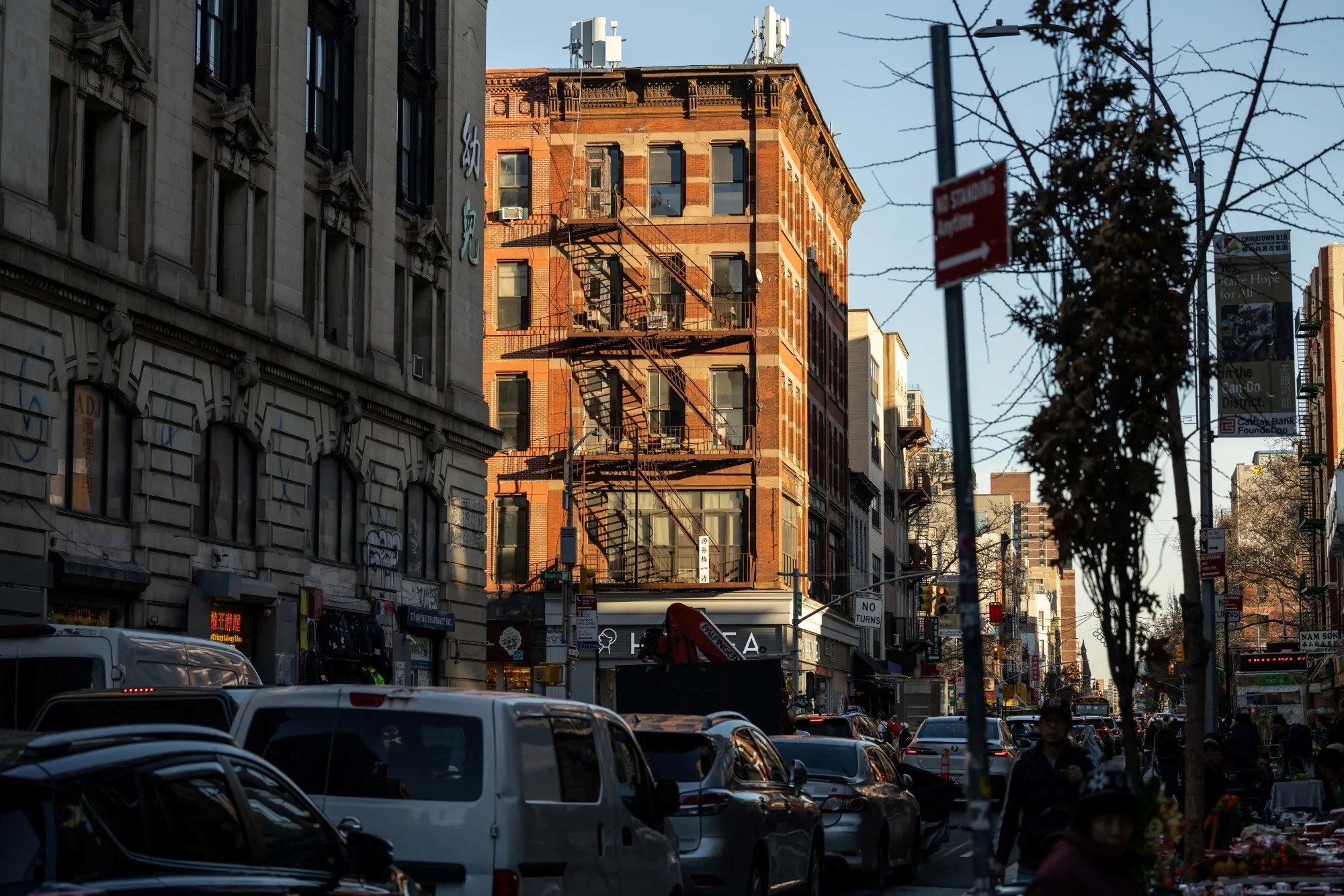
This is where it can become difficult; when cities implement restrictions against short-term rentals, housing may become available to rent for longer periods of time and not be previously available, however this also creates a scenario where investors, hosts, and buyers can no longer accurately forecast the projected returns on investment for their properties. If a rental property is no longer providing vacation rental income, then the property is valued differently than before; when enough owners make similar reassessments simultaneously, a change in the market will occur.
What a 6% Drop Really Means
Although a 6% drop in 3 months isn't considered a crash, it can certainly make investors & homeowners think twice. In an established area such as Barcelona, where property values have been steady for many years, a small decrease may indicate that expectations are changing but does not necessitate a major decline in the housing market. Factors such as fewer buyers entering the market, more conservative pricing, or a seasonal slowdown due to recent legislation can lead to these types of changes.
It is important to realize that real estate values are affected by both market sentiment and market fundamentals. When property owners perceive that the short-term rental market may be at risk, some will begin listing earlier than expected; others will wait longer than expected; still others will lower their price expectations in order to sell quickly. These actions often create a chain reaction across both nearby neighbourhoods and similar properties.
The Business Side of the Policy Shift
The largest investor issue is not "Is Barcelona property cheap" today. Rather than price, investors are wondering if Barcelona is moving into a new price regime with lower rental yields in certain areas permanently. This will impact how they underwrite, renovate properties, and the length of time they will hold those properties, as well.
For local businesses, it’s even more complicated. Although hotels will benefit from decreased competition with Airbnb, restaurants, service, and retail located in residential neighbourhoods will likely have varying mixes of both tourists and residents based on how much housing returns to the long-term rental market. Again, this isn’t just about apartments; it will impact occupancy (how and when) and costs of using the City.
What to Watch Next
The important thing to observe is the ongoing price decrease or if it levels off. If the price levels off, then the market may be reacting to the suspension of short-term rental licenses without experiencing any major disruption. If the decrease widens, that could indicate to buyers that they are factoring in a different outlook on long-term rentals in Barcelona's economy.
In both scenarios, Barcelona is demonstrating a clear lesson to both investors and policymakers: housing markets do not respond in a straightforward, linear manner to tourism policies. When you change the regulations for short-term rentals, you impact not only the guest, but also you profoundly change how capital, ownership and demand behave within the city.
In summary, the Barcelona real estate market is being shaped not only by supply and demand; but also by regulations, pressure from tourism and the increasingly unstable equilibrium between a city that is attractive to tourists and a city that is affordable for families.
Latest Posts