

The Active-Cooling Miracle TransMedics and the End of the Ice Box
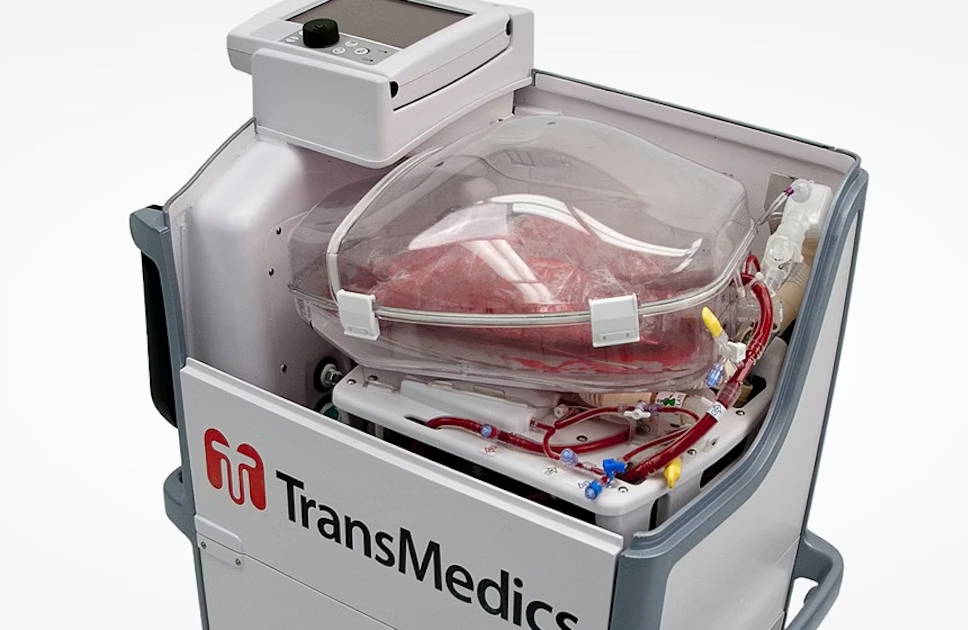
This change is very important because each hour of the organ's transit time will have a direct impact on the viability of the organ as a transplant, may affect transplant logistics for the hospital performing the transplant, and will directly impact the outcome of the recipient.
Why the Ice Box Has Limits
The use of an old-fashioned ice-box is straightforward; however, there are downsides to this simplicity. For example, although static cold storage will cause decreased metabolic rates, there are also limitations or unknowns regarding the temperature accuracy of static cold storage. Total temperature fluctuations, improper handling of organs and a limited ability to adjust the storage environment are reasons why standard static cold storage cannot provide the same level of flexibility that current transplant teams require to properly transplant organs.
This is why the term "The end of the Ice Box" is more than just a catchy phrase. This references a general shift toward developing smarter and more controllable options for how to preserve donated organs for transplantation. If an organ can be maintained with a high level of care during the pre-operative period, then there is additional opportunity for providers to maximise the use of organs and provide greater access to viable organs for transplantation.
What CHOPS Changes
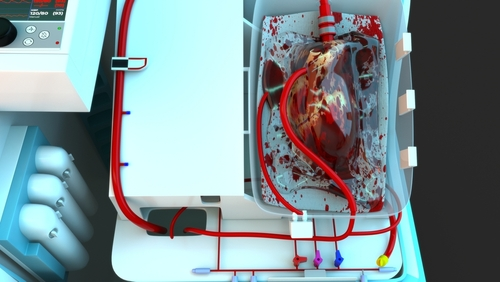
The TransMedics’ CHOPS, which stands for Controlled Hypothermic Organ Preservation System, has been defined as an actual active cooling device that offers a stable cold storage environment over a range of temperatures. Designed to maintain the conditions of the cold storage environment better than traditional passive/ice based methods, the CHOPS provide support for transplant centres that desire greater control over their preservation protocol.
While this is a very technical distinction, the implications for business and clinical practices are considerable. In the transplant field, the stability offered by CHOPS translates into improved logistics, more predictable workflow, and possibly greater number of organs that can be safely used. TransMedics has positioned CHOPS to be used both as a stand-alone device and an extension of TransMedics’ existing Organ Care System (OCS) portfolio, which focusses on organ perfusion and assessment that takes place outside of the body.
Why This Matters to the Market
A novel approach to developing a category is what the TransMedics' product offers. The company's platform has established a trust in the perfusion technology area, and the development of Controlled Hypothermic Organ Preservation Solution (CHOPS) takes this trend to the next level by extending the credibility of perfusion technology solutions into controlled hypothermic organ preservation. The Commercial Story is meaningful in that hospitals and transplant centres (the buyers of CHOPS) view their purchases as more than Physical Devices: they also purchase confidence in their usages, efficiency in workflow, and consistency in clinical outcomes.
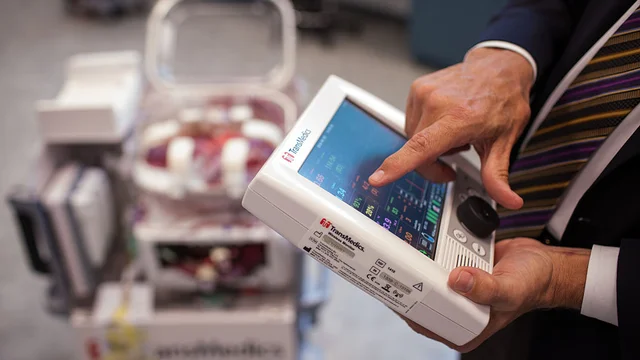
With these perspectives, the Value Proposition becomes evident as well; if a device facilitates the transport of organs for transplantation AND increases the number of organs that can be transplanted, then everything connected to organ transplantation - from operating room scheduling, to transplantation economics, and many points in between - will likely be/become positively influenced. This is an improvement that should attract positive attention from clinicians AND the investment community, who have to deal with the continual challenge of being out of balance between supply and demand in the organ transplantation industry.
The Clinical and Business Equation
The most exciting aspect of Controlled Hypothermic Preservation (CHOPS) is that it offers the potential for true medical and operational synergy. Clinically, CHOPS focuses on organ quality preservation; Operationally, CHOPS focuses on logistics improvement and scalability. When you combine these two objectives, you create a new type of medical technology and move it beyond being just a unique and smaller upgrade.
In addition to the medical and operational benefits, there is also a strategic dimension to the use of CHOPS. Through the application of CHOPS, TransMedics is enhancing enrollment in its ongoing OCS ENHANCE Heart Part B and OCS DENOVO Lung clinical trials. This indicates that Transmedics is committed to integrating the device as part of an overall platform strategy, where product development, regulatory advancements, and clinical validation all work together.
The End of an Era, Not the End of the Challenge
While it might be appealing to think of active temperature control as a miracle drug for organ transplants, that isn’t typically how it works in donor transplantation. Unfortunately, many methods of storing organs using ice have been utilized before now and will continue to be challenged by alternative methods that provide a better methodology for supporting organ transplants. Current methods of organ transport are not the only ones progressing at an uneven credential basis with regards to hospitals in many cities or regions throughout the world.

From a business standpoint, every time an industry switches from passive to active storage, economic factors change because businesses that can bring synergies through science, dependability, and compliance to new regulatory standards stand to gain from this as a result. TransMedics is attempting to do this with their CHOPS implementation process. If CHOPS achieves its goals, it may not only improve organ preservation but it may help to finally eliminate an outdated way of satisfying the needs of the transplant community that is well overdue.
Latest Posts