

The AI Trust Architecture ISO 42001 and the New Global Standard
Given the pressure from Boards, conflicting customer perceptions regarding the use of AI, and tighter regulations in most countries, ISO 42001 gives an efficient method for creating trust at scale. ISO 42001 is like SOC 2 for AI; your certification proves that your commitment to responsible AI has been designed into your systems rather than just being talked about.
What ISO 42001 Actually Does
ISO stands for International Organization for Standardization. ISO 42001 AI Management identifies the requirements of an AI Management System ("AIMS"). ISO 42001 AI Management addresses the full lifecycle of AI, including but not limited to: impact assessments, risk management, and ongoing monitoring of transparency-improving mechanisms. Unlike vague ethical guidelines, ISO 42001 AI Management has auditable requirements as well as clauses relating to governance of data, mitigation of algorithmic bias, and oversight of third-party suppliers of AI.
ISO 42001 AI Management supports and builds on ISO's current family of standards, using the Annex SL framework, and integrates easily with ISO 27001 (information security), ISO 9001 (quality management systems), and ISO 31000 (risk management). Organizations can achieve three levels of certification: basic scoping, complete implementation, and leadership position. Various companies that are early adopters of ISO 42001, such as Deutsche Telekom and Airbus, are already demonstrating that they have achieved certification by displaying ISO 42001 certifications on requests for proposal (RFPs) — signaling to purchasing departments that they are not simply guessing when it comes to their respective uses of AI.
Why Boards Are Paying Attention Now
Companies are not choosing to adopt ISO 42001 due to goodwill alone. As the European Union's AI Regulation comes into effect in August 2026, businesses that have high-risk systems will be fined up to €35 million if they do not comply with these governance and oversight functions. In addition, companies in California as well as Colorado are also being required to comply with similar transparency requirements under AB 2013 and the Colorado AI Accountability Law, respectively.
A Gartner study found that businesses that obtain ISO 42001 certification are able to secure enterprise-level contracts 40% faster than those that do not because they are able to provide the necessary audit controls to buyers at the outset of negotiations. For the suppliers of AI technologies, certification also serves as a competitive advantage; less than 12% of AI vendors are currently certified under ISO 42001, but an increasing number of purchasers are making certification a condition of doing business with the vendor.
British Telecom has successfully received ISO 42001 certification of an AI-powered customer-service platform resulting in a 47% reduction of procurement cycles when working with enterprise clients from 9 months to less than 5 months (as measured from business-to-business RFP acceptance through payment); along with Siemens, who displayed their own Industrial AI Certificate at Hannover Messe, winning €800M in smart factory contracts that established certification as a requirement for vendors competing against non-certified vendors; therefore, this represents a basis upon which current companies with certification can demonstrate significant potential to close deals in traditionally regulated industries such as finance, healthcare and manufacturing, where there has been an emphasis placed on obtaining certification as a requirement for RFP submissions. As can be seen, the pattern emerging is that the companies currently utilizing certified products have rewritten the rules of competition within industries that have used "Trust" as the primary parameter for decision-making when purchasing...
The Trust Multiplier Effect
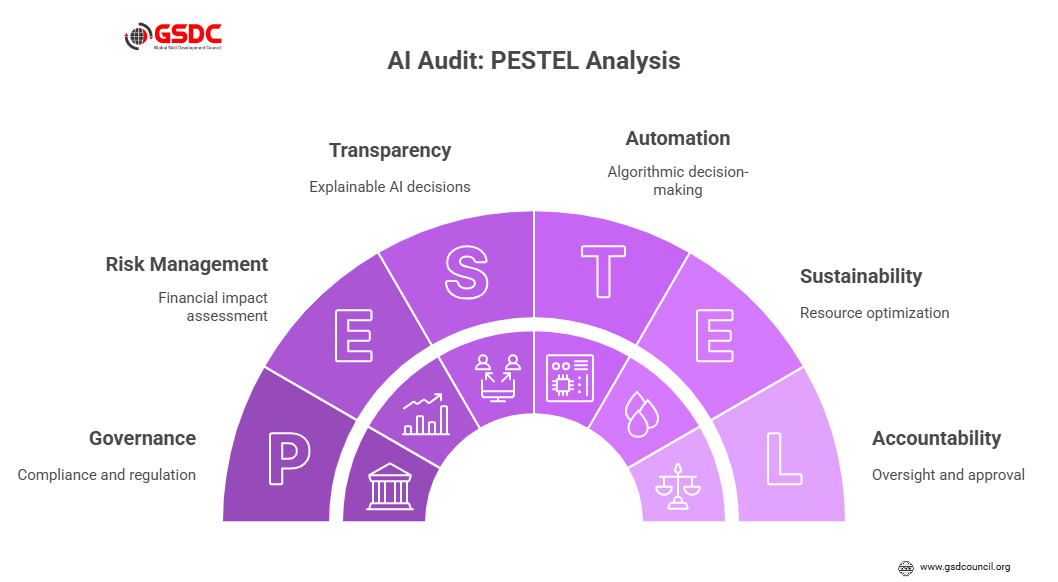
Interesting for teams looking to expand their business is that ISO 42001 builds confidence in AI systems by creating an architecture of trust that can be added across all markets. Companies that have earned certification from ISO 42001 have found these benefits:
- Procurement acceleration—Government and F500 RFPs now reference ISO 42001 as minimum criteria for selection.
- Investment confidence—ESG funds have a preference for AI plays with ISO 42001 certification; average value above unregistered is 15%.
- Customer retention—Churn rates decline 22% when transparency reports are tied to an ISO control.
The example of SAP is interesting for growth-focused teams because their certification through ISO 42001 applies to their generative AI copilot (Joule) and enables the sales force to confidently say to a potential customer that their product offers not just performance, but also does so responsibly (as evidenced through third-party auditing).
Implementing Without the Overwhelm
Smart leaders get that certification can sound like a grind to go through but it actually scales really well! First step, see what you are missing compared to the standard's 12 core clauses: context, leadership commitment, planning, support, operations, performance evaluation, and improvement. Create a map of your current programs; lots of the heavy lifting will not be hard to get completed.
There are tools like Credo AI and Monitaur that will automate around 60-70% of the collection of compliance evidence. If you are a smaller team, you'll be able to get certified for each individual AI use case over getting certified for all of them based on ISO 42001's scalability. The cost is about $50K to $250K to be certified for the first year with an expected return within 9-18 months via faster sales cycles.
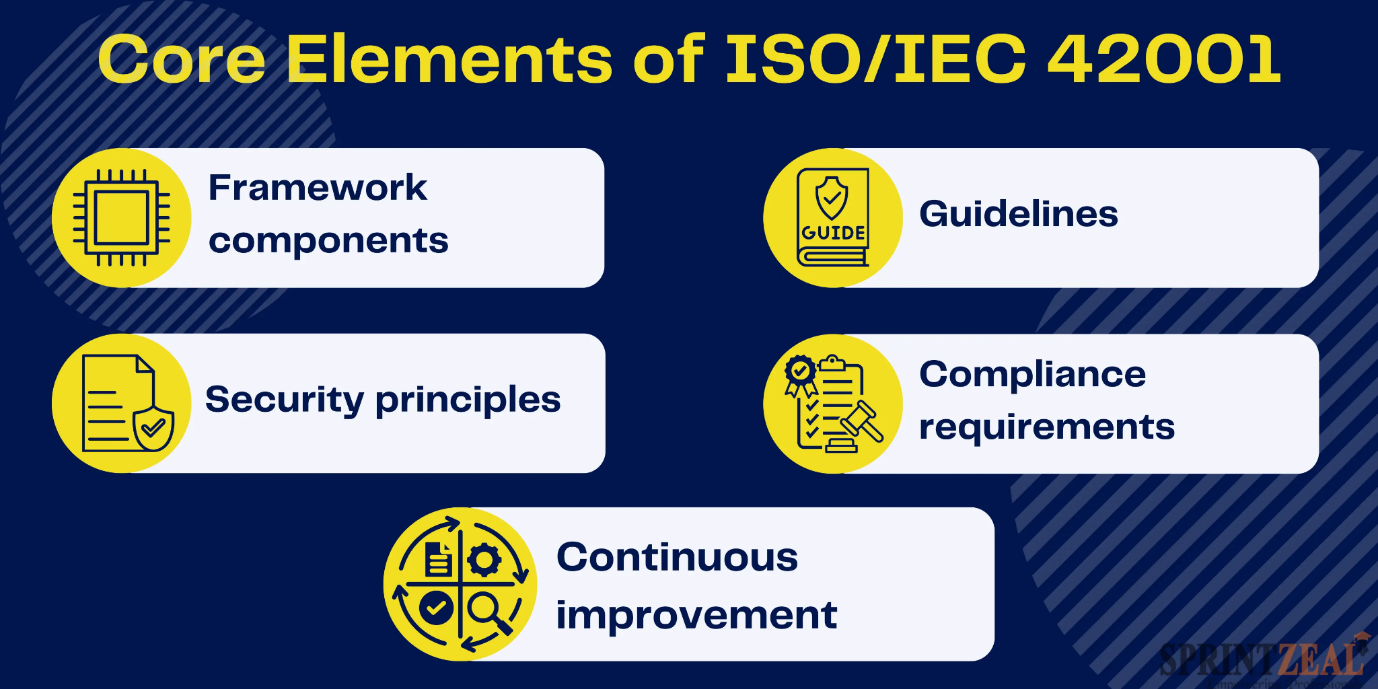
The Competitive Landscape Ahead
Disregarding ISO 42001 could be disastrous for you. McKinsey estimates that 70% of AI contracts worth over €1B will require certification by 2028. China's national artificial intelligence standards cite ISO 42001; likewise, it is anticipated that India's soon-to-be-released Data Protection and Digital Rights (DPDP) regulations will be consistent with ISO 42001, which creates a global standard for enterprise AI technology.
For digitally driven organisations, the strategy to follow is simple: get certifcation early; get out there and market yourself aggressively; and win more because of this. Companies treating ISO 42001 as a cost centre will be supporting those who treat it as a means of generating growth. So, who are you?
Latest Posts