

The 3 Billion Milestone Womens Elite Sports Break the Revenue Ceiling
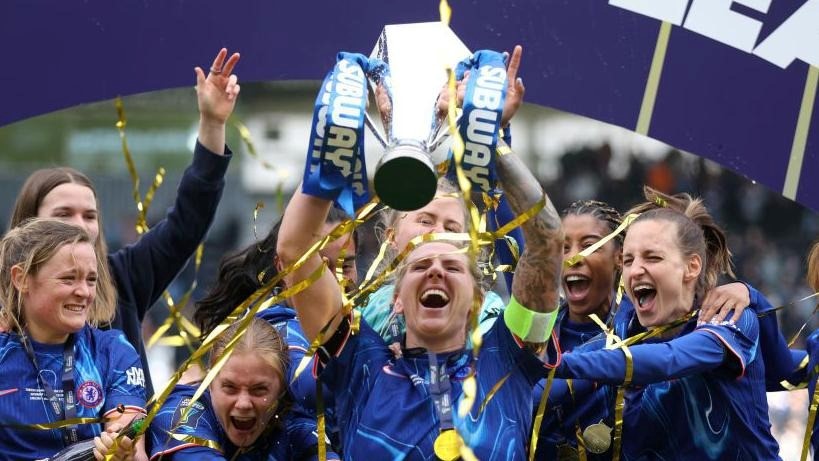
This isn't hype. The sports with the highest revenue share in this sector are basketball and soccer (each making up approximately 35% of total revenues), with North America generating the majority of revenues ($1.64B) and Europe contributing $434M. Therefore, to brands, investors and media executives, women's sports are no longer just a part of the future – they are a part of the present, with the commercial data finally backing it up.
Commercial Revenue Takes the Lead
Forget the term 'feel-good stories'. The majority of the revenues from women's sport now come from commercial sponsorship, which accounts for 72% of total revenues for clubs, with an increase in multi-year sponsorship deals among luxury brands, finance and consumer goods. The NWSL reported 19% growth in year-on-year sponsorship revenue, with multi-year sponsorship deals having recently been signed with brands like e.l.f cosmetics, Ally Financial, and CVS Health. Combined revenues for clubs in the WSL will reach £65M by 2023-24 (34% increase), and there has been a 53% increase in commercial revenues generated.
Actual figures from broadcast television deals provide clear insight into the ongoing growth of professional women's sports. Projected media revenue associated with elite women's sport is expected to total approximately $765 million or approximately 25% of total sport revenue (up from approximately 23% at the same time last year). Projected matchday revenues associated with elite women's sport are projected to total approximately $911 million or approximately 30% of total sport revenue (up $163 million from last total this time last year) despite some softening in attendance through the most recent peak season compared to previous peak seasons.

The New Brand Calculus
Women’s sports have the potential to offer marketers three advantages over traditional male sports: 1) An untapped base of loyal customers, as women’s sports’ viewers watch an average of 73% more minutes per game than their male counterpart (Nielsen); 2) Premium target demographics, including 68% of those who have at least a college degree and 45% who have a household income above $100,000; and 3) A natural fit for many luxury goods (Clinique, LVMH) and cause-related brands (Here We Flo period care).
Not only did State Street Global Advisors become the WNBA’s exclusive investment partner, but also Paris Saint-Germain engaged with baby gear company NUNA to become a team sponsor and Chelsea FC Women partnered with period-care company to help share awareness about menstruation. As such, all of these partnerships are calculated business decisions, not charitable acts, intended to create authentic connections between brands and audiences.
League-by-League Breakdown
North America has a clear advantage. The WNBA (Women’s National Basketball Association) and the NWSL (National Women's Soccer League) are the two leagues that are fueling commercial growth and the aforementioned individual athletes are driving their own personal brands’ value. For example, Cameron Brink has 31 endorsement contracts and Angel Reese has 25; both are examples of how top-performing female athletes can increase their own personal brand’s value.
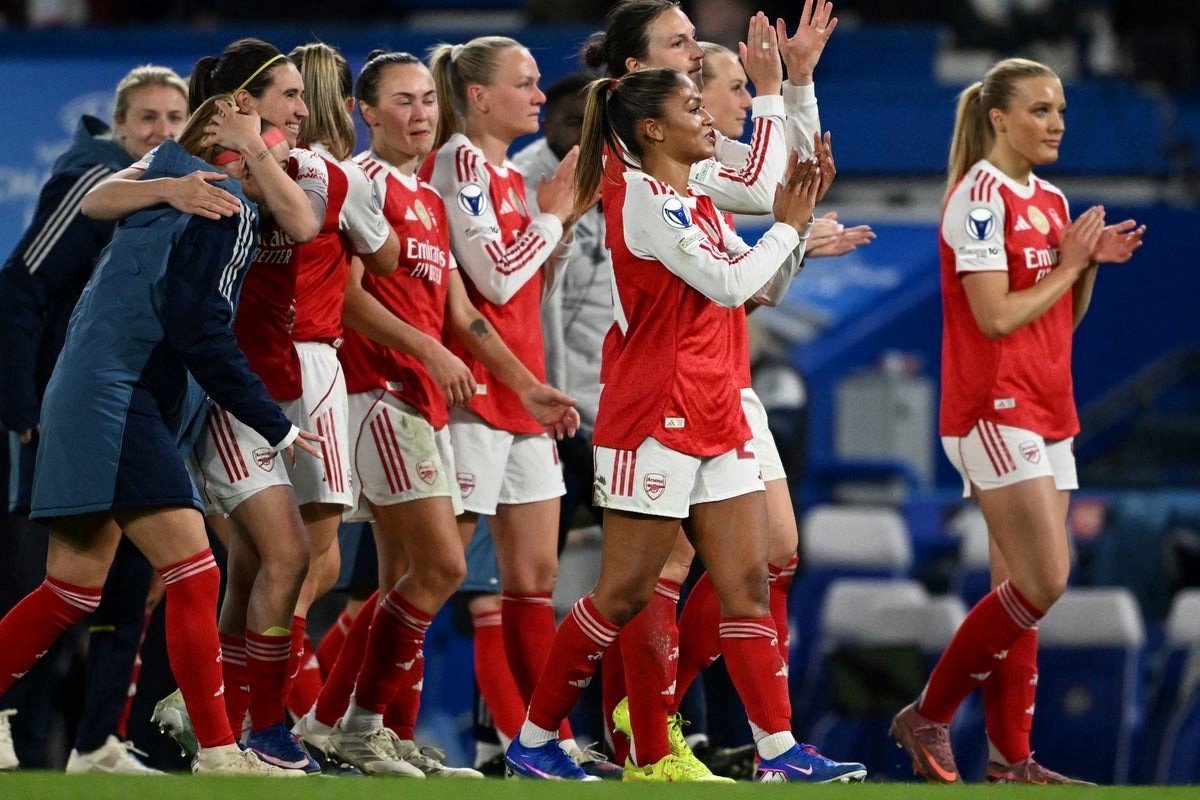
Deloitte estimates the Arsenal women’s team will earn €25.6 million in revenue in 2026: an impressive 43% year-over-year growth, driven by pricing that utilizes data analytics as well as fan attendance numbers above 35,000 fans.
Europe is experiencing rapid growth, but has not reached the same level of scale as North America. For example, the WSL (Women’s Super League) generated total income of £65 million but is dwarfed by the men’s Premier League, even though the commercial revenue of both leagues are now nearly the same (40% of total revenue each).
Women’s clubs’ total income averaged €10 million for the first time in 2020.
Investment Implications
Winners emerging from $3 billion in annual revenue generated by women's sports are:
- Media companies: ESPN and Sky Sports have secured rights to increasingly valuable media site deals, while DAZN has acquired distribution rights for their entire portfolio of global live streaming products.
- Venue operators: New stadiums with modular configurations of 15,000 to 25,000 seats are now a separate asset class.
- Talent agencies: Wasserman and CAA have expanded their women’s sports divisions, with Cameron Brink’s New Balance endorsement demonstrating the scalability of individual monetization.
While there is considerable opportunity for growth, the risk to business models is considerable. For growth, media ratings and sponsorships are needed to generate revenue. In addition, judicial cases under Title IX related to fairness in college athletics and equal pay for athletes continue to impede growth. For smart investors, it is likely that there will continue to be diversification within the women’s sports business for the foreseeable future. Soccer (approximately 65% of all women’s sports revenue) represents the most, followed by basketball (approximately 35%) and then tennis and other emerging sports (the least).
The Distribution Shift
With digital transformation, sports streaming opportunities are available for women’s sports’ younger audiences that traditional networks could not reach. TikTok delivered 2.5 billion views per month. YouTube views of women’s sports highlight videos are typically 3x more engaged than men’s highlights, and the value of the National Women’s Soccer League (NWSL) multi-media rights has increased by 300% from 2022 levels.
All of this has been forcing linear television networks to change. ESPN is bundling WNBA games with its NBA package, while Amazon Prime is streaming NWSL games globally. The first company to establish a successful streaming platform could generate 70% of the new revenue growth created through 2028.
What Businesses Do Next
Market validation, not a feel-good milestone; Elite Women's Sports $3 Billion milestone With brands not participating between 2018-2021 have lost the opportunity to build first-mover credibility. Brands that do not participate for 2026 will lose scale pricing.
Immediate Action Steps
1. League Partnerships will offer Category Exclusivity (NWSL, WSL) for Brand Partnerships
2. Athlete Partnerships will provide Global Reach via Instagram Reels
3. Venue Naming Rights in 15,000-25,000 seat stadiums will deliver 8% Yield
This market is going to grow regardless of macro conditions; Women's Sports viewership increased by 20% from 2023 recession. Recession proof audience combined with high income and affluent demographics equals permanent line items.
Latest Posts