

The 3% Ceiling Why IMF Projections Foresee a Global Growth Slowdown for 2026
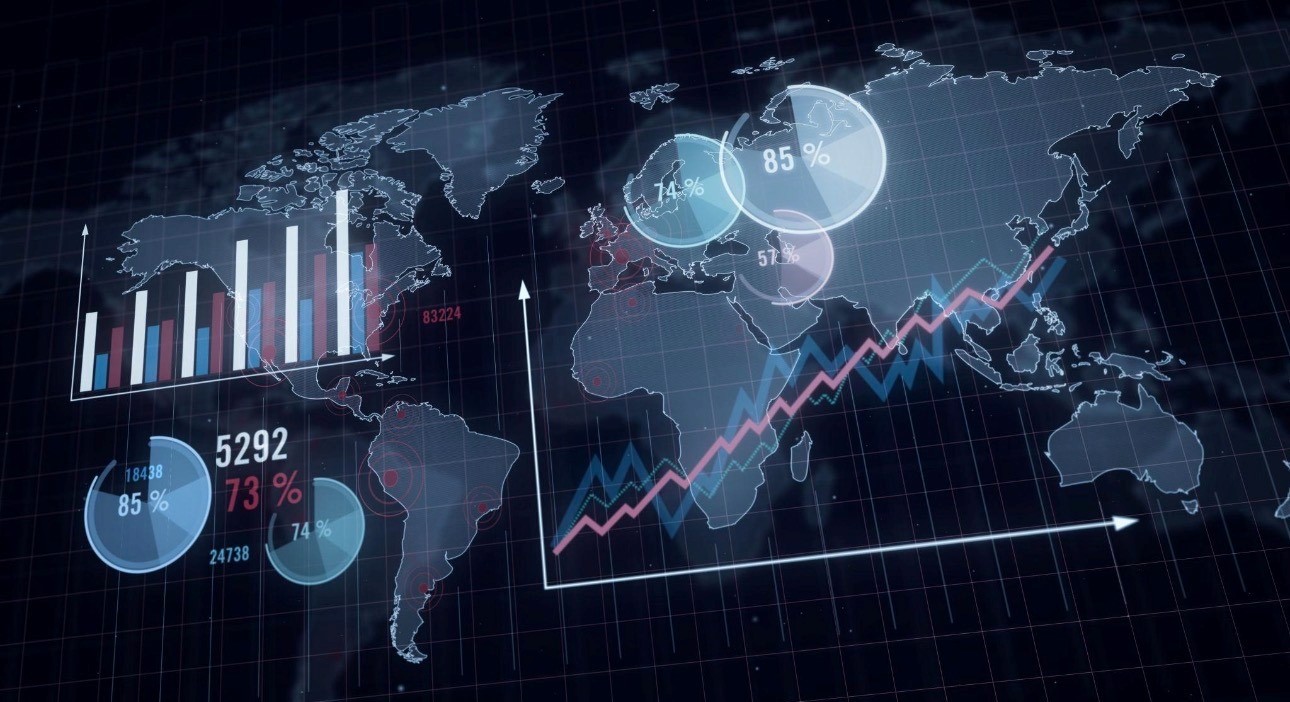
The World Economic Outlook Update from July 2026 by the International Monetary Fund says global GDP will grow by 3.0% in 2026 and 3.4% in 2027. These numbers show that there wasn’t a recession. They also support what many economists are saying: that global economic growth might have reached its limit. Instead of going back to the strong growth seen before the global financial crisis, many factors are slowing future growth. The global economy is facing challenges, and the International Monetary Fund is keeping an eye on GDP growth.
Why the IMF Believes Global Growth Will Stay Around 3%
According to the report from the International Monetary Fund, the global economy is showing a lot of strength despite many challenges. The fear of a recession because of the war in the Middle East has gone down because the energy market can adjust easily and financial conditions are getting back to normal faster than expected. Being strong doesn’t mean the economy is growing.
The International Monetary Fund thinks several things are pulling the economy in different directions. Investments in intelligence and new technologies are helping the economy move forward, while high energy prices, unstable politics, growing government debts and slowing productivity are holding it back. The International Monetary Fund report highlights these issues.
The Middle East Conflict Continues to Shape the Outlook
The war in the Middle East continues to be an issue of concern to the IMF because of its impacts on the energy markets. The risks associated with the Strait of Hormuz becoming closed are no longer of great concern, but the uncertainty remains very high. This creates challenges for making business decisions.
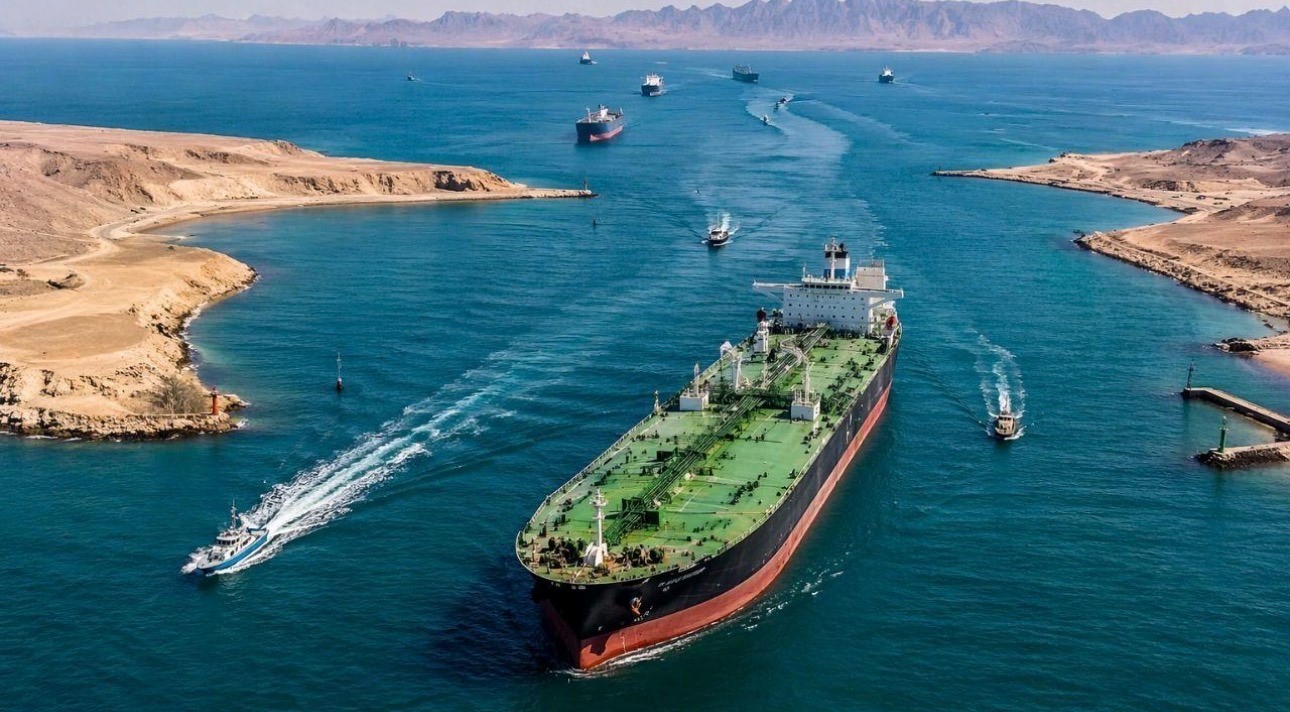
According to the IMF, certain countries continue to fare well because they maintain energy stock, import oil from other areas and make use of renewable sources of energy. This has prevented the rise in prices of oil. Nonetheless, the war in the Middle East and the effect that it has had on the energy markets remain an issue. Businesses should prepare themselves for the fluctuation in the cost of production and transportation.
Inflation Has Eased, but It Has Not Disappeared
The IMF has cautioned that the fight against inflation is still ongoing, even though it may have dropped from the extremely high rates it previously shown. This is due to the fact that rising energy costs and international geopolitical disputes are predicted to maintain high inflation through 2026.
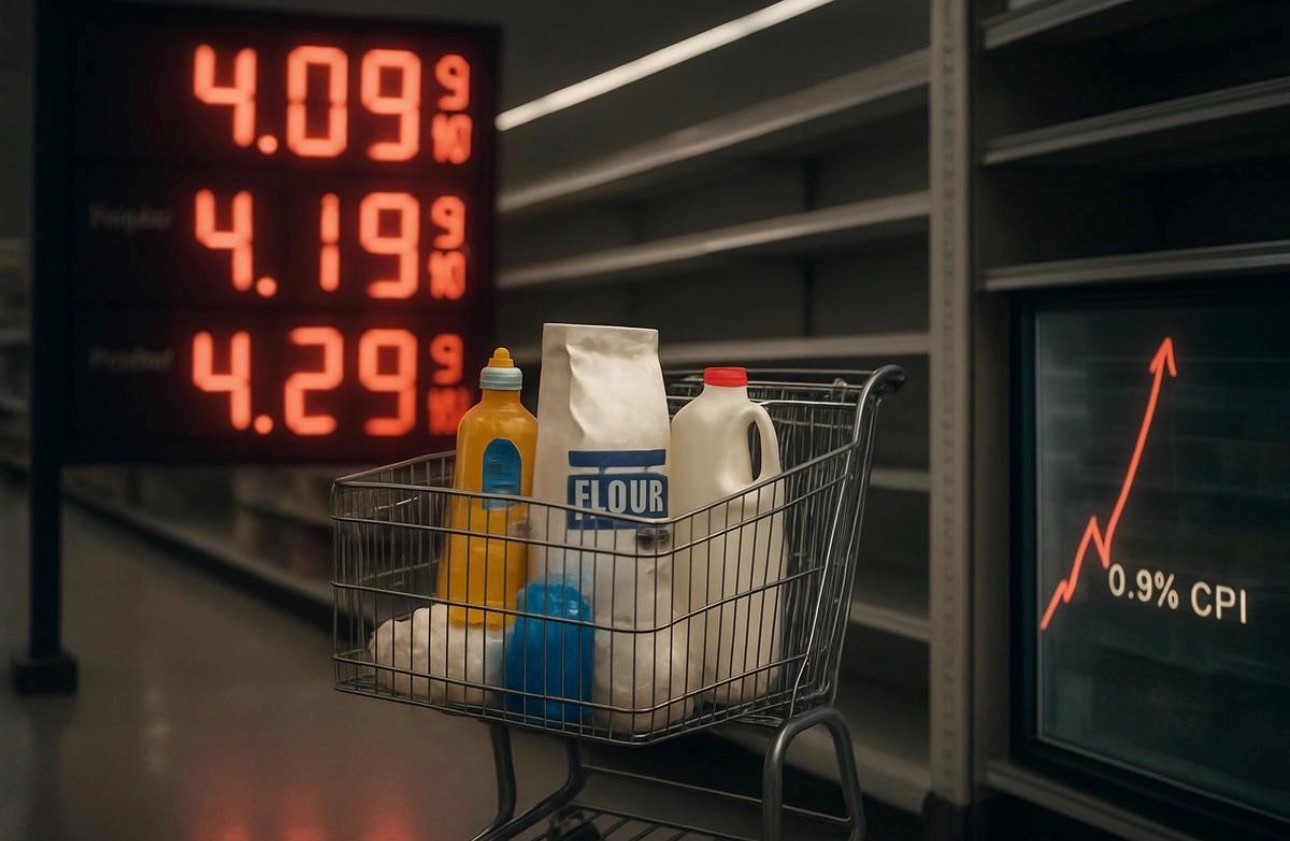
If they cut interest rates quickly, inflation could come back. On the other hand, if they keep interest rates high for too long it could slow down investments and spending by households. The IMF says central banks should focus on keeping prices stable while being ready to respond to changes in their countries’ conditions. For businesses and individuals, this means interest rates will stay high compared to the low levels of the last decade.
Artificial Intelligence Is Supporting Growth, but Structural Challenges Remain
The International Monetary Fund has a good view of how things are going to be. One of the things is that artificial intelligence is being developed really fast. Businesses are investing heavily in intelligence as well as other areas like automation and cloud computing. This will help businesses in countries like the USA. The idea is that this will make the economy work better because machines will do some of the work and people will be able to make decisions.
However, the International Monetary Fund says we have to be patient before we see the effects of artificial intelligence everywhere. There are still problems like ageing populations, worker shortages and high debt. Even though artificial intelligence is helping with ideas and investments, it is not strong enough to fix all the problems stopping the economy from growing.
China’s Slower Expansion Is Influencing the Global Economy
China is still a part of the world economy, but it is not growing as fast as it used to. People in China are not buying as much as before, the country is dealing with problems in the real estate market and people are not feeling as good about the economy.

The government is trying to help the economy. China's economy is evolving from one centred on investments to one that is more concerned with consumer purchases and manufacturing. Since China is a major trading partner for many countries, its slower growth affects manufacturing and exports around the world.
Emerging Markets Continue to Drive Much of Global Growth
The growth prospects in developed countries are not that great. Emerging and developing economies like India are still very important for global economic growth. India has been doing well because of domestic demand, infrastructure, new technology and a growing young population. Some countries in Southeast Asia are also benefiting from manufacturing diversification.
However, the International Monetary Fund says not all emerging economies are doing well. Some face high interest rates, rising debt, climate concerns and exchange-rate problems. Emerging economies like India remain important for global economic growth.
What the 3% Ceiling Means for Businesses and Investors

Hence, The International Monetary Fund forecasts say companies and investors should get ready for a period of growth that’s slower but stable rather than waiting for the economy to return to faster growth. Companies will probably invest in improving efficiency, using Artificial Intelligence and building stronger supply chains instead of depending only on higher consumer demand. Investors will likely favour areas such as Artificial Intelligence, digital technology, renewable energy, healthcare and advanced manufacturing.
Also, governments will have to keep working to make their countries more productive and innovative and make sure people have jobs and they are responsible with money. Although the International Monetary Fund does not believe that the entire globe is set for a recession, it believes that in order to see growth above 3 percent, certain drastic changes are needed.
Latest Posts