

The 250 Trump Bill White House Proposes Face on New Currency
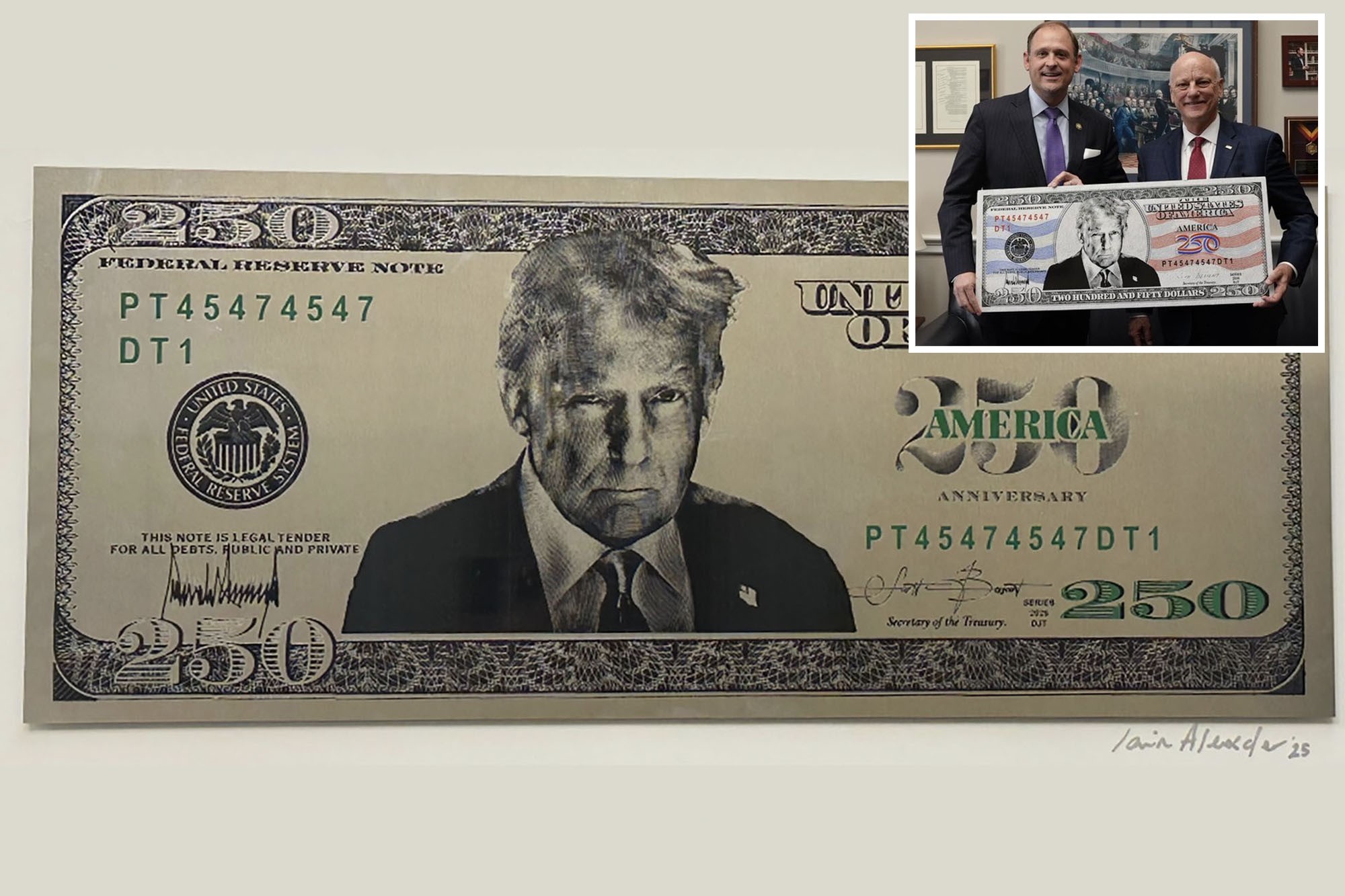
On the one hand, it is to be proffered as a commemorative measure attached to the 250th anniversary of America; on the other, it generates some hard practical questions about law, precedent, and what U.S. currency is meant to signify.
What the proposal actually says
According to several reports, Treasury officials have been creating ideas for a $250 bill featuring Trump. In some versions, Donald Trump's signature will also appear on the bill. The $250 bill project is a celebration of America's 250th anniversary in 2026. If this project proceeds, it would serve as a ceremonial reason for establishing a currency with living persons as opposed to making something illegal, based on current law prohibiting living persons from being put on U.S. currency.
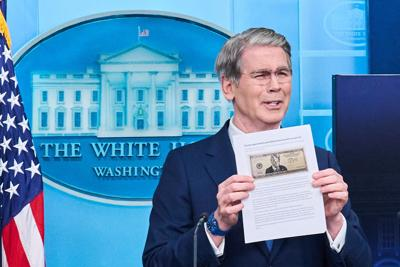
The law prohibiting living people on currency has greater ramifications than what is stated by the media. The wording in the law specifically prohibits living persons from being placed on U.S. currency. Before any legislation could turn into actual $250 currency, Congress must amend current law pertaining to who can appear on U.S. currency. Treasury Secretary Scott Bessent has stated that preparations are being made for this currency, but nothing will proceed until Congress clears the way for those preparations to take place.
Why this is more than a novelty story
Redesigning currency is not just a whimsical political headline; it represents how a nation wants to commemorate itself. Currency is one of the most prominent physical representations of government and placing an active president on it represents a significant departure from the long-standing tradition of putting deceased leaders on currency in the U.S.
This is the reason why there is so much commercial and cultural interest in the proposal for a redesign. Currency redesigns are never purely about visual appeal: They also impact collector values, the general populace’s perceptions of the currency, the logistics of printing the new currency, and the message the government is trying to convey about its history and authority.
The legal and institutional hurdles
The main impediment is law, not design. Rep. Joe Wilson’s proposal has been introduced in Congress but is currently stalled and not enacted. Until that law is passed, the Treasury is prepared to ensure that there will be no living president depicted on currency.
There is also the institutional precedent to consider: U.S. money has historically adhered to strict rules regarding portraits and signatures; therefore, making changes to these regulations could create political resistance before any actual currency is printed. The Treasury has stated that they are acting in compliance with current law; however, the reports of Treasury staff working to produce mock-ups/comparisons to living presidents indicates that the administration is serious enough about investigating the proposal to proceed to this next phase of development.
What it means for business and markets
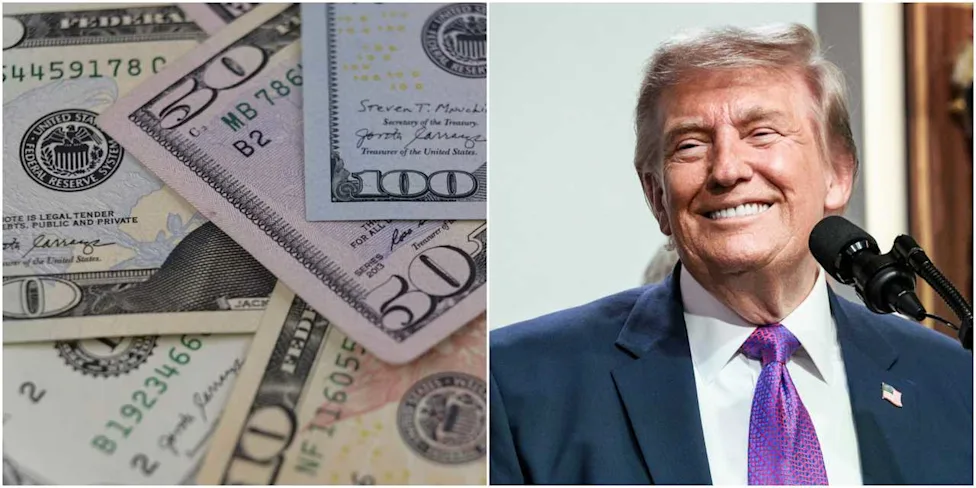
When looking at fiscal affects on commerce, most people shoot for practicality. Therefore, I think that because it hasn't been done before, most people wouldn't see any change due to this event; however, people in the currency world such as collectors, mints, printers and those who provide a variety of services to create new currencies would certainly find interest in the introduction of a proposed bill that would create a new currency and in turn, drive their activities and create new businesses based upon speculation driven by interest in such currency.
Also worth noting is the marketing aspect of currency creation. While it is rare for governments to consider currency in terms of marketing, they should absolutely do so. A powerful example would be to consider the impact an American President on a note would create, as that image would immediately become a cultural artifact, and in our polarized society, it would immediately spark debate. Such impact could be used as part of the company's brand story, providing a degree of stability and predictability within an unstable economic environment.
The public reaction challenge
It seems that the reaction to this proposal will split into two very distinct camps. Supporters will consider this to be a patriotic salute in conjunction with the 250th anniversary celebration of this nation. Detractors will view this as an attempt to mix government with private enterprise for the sake of an individual’s brand. Whichever way you look at it, however, it would be very hard to consider this idea to pass undetected by the public and officials alike.
This tension is what keeps this story alive, and currency is supposed to feel tangible and invisible in everyday use; however, as soon as it becomes politicized, this feeling changes and people will pay attention. When they start paying attention, the conversation shifts from simply being about the monetary value of the bill to aspects of personal identity, power, and history.
The big takeaway from this proposal is not just that this is about printing a new denomination of currency. This is about whether or not the American people are going to abandon, or change, one of their oldest traditions involving their currency as a political and meaningful statement during the 250th celebration. If the idea moves forward, it will say as much about the current time in history as it says about the person.
Latest Posts