

The 21 Billion Gold Mine The War Over Omaghs Future

It will represent more than just another mine to those investing or working in the mining industry; it will represent a defining decade in their renewal of a historic area that has been devastated by deindustrialisation. To local people, it will represent an existence-threatening development.
The Prize: Europe's Biggest Gold Strike
Omagh Gold Mine has 4.17 million ounces currently produced plus 12.97 million ounces under exploration (360 sq km), which means it will be very profitable even with a $2,000 price for gold, as "all-in sustaining costs" are predicted to be $981 per ounce. Gold production will peak at 275,000 ounces in the first 8 years from operations, before reverting to surface mining once the underground mining is exhausted.
The value of Cavanacaw is enhanced because of its location; it is located 55 km west of Belfast on brownfield land that is infrastructure ready with railways, electricity, and deepwater ports all within 100 km. The Northern Ireland corporate tax rate is 45% less than the Republic of Ireland, but higher than many other mining jurisdictions in the EU. In terms of total extractable mineralization, Cavanacaw compares favorably to Nevada's Carlin Trend (per sq km).
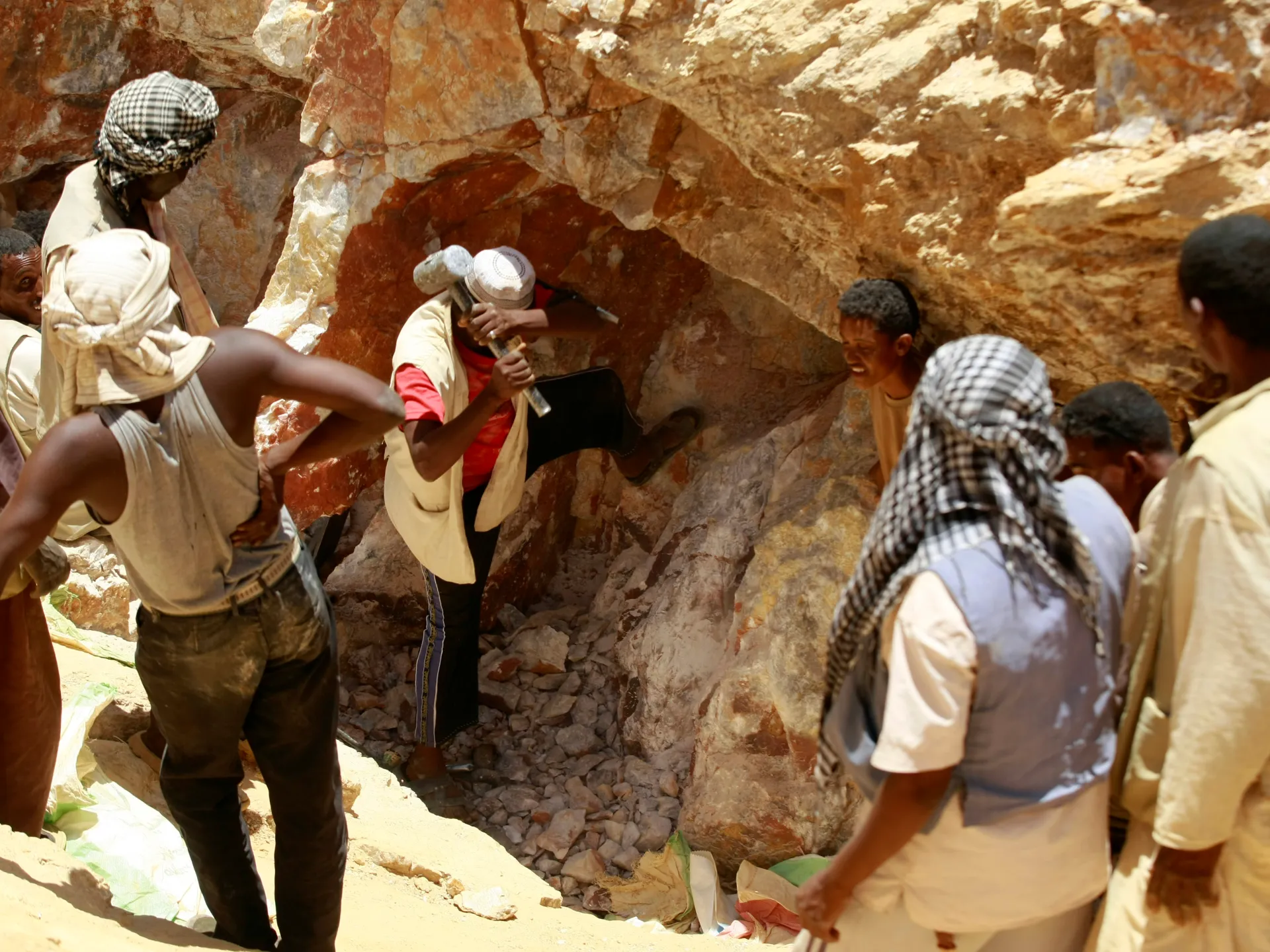
The Blockade: Community vs Corporation
Since 2009, Dalradian invested over $170 million in Omagh, but has faced extreme difficulties with the permit process. The Omagh mining controversy has three points of contention:
1. Water Quality: The groundwater from Curraghinalt feeds into the fishery in the River Mourne. The EPA rejected the 2022 permit due to concerns about possible arsenic and selenium contaminating the river even with Dalradian's mitigation plan (over $100 million).
2. Tailings Storage: Proposed glacial valley dams created fears of creating a "toxic lake." Dry-stack processing uses $250 million of capital expenditure on alternate processes.
3.The local population rejected the creation of the mine by 72% when they expressed their views in 2023. The council voted to deny planning approval for a mine, citing the risk of industrializing what is historically seen as a rural amenity.
4. There is currently a deadlock between the British and Irish government, regarding how to process appeals related to the mine Site. This is another issue, as neither of the two governments can take any action at this stage without creating a further conflict.
Economic Multiplier vs Environmental Red Line

The argument for the mining industry is strong. The project will provide 2,500 jobs during construction, 500 jobs once operational, and a £300 million injection into Northern Ireland’s GDP annually. Currently, the unemployment rate in Northern Ireland is running at 3.8%; however, within the Sperrin Mountain range, the structural unemployment levels are estimated to be between 8% and 10%.
Dalradian will also provide an unprecedented level of financial support to the surrounding community through the establishment of a community fund that rivals the total budget of all of the Northern Ireland counties combined.
The counter arguments from the environmentalists are based on historical examples of environmental damage resulting from mining practices. The issue of acid mine drainage (AMD) remains a significant concern in the Derrynahoit Lake area more than 100 years after the completion of mining activities. Residents of the Cavanacaw area also have serious concerns that the proposed Dalradian mine will become the “second Baia Mare” due to the alleged risk associated with modern mining techniques.
The political calculus surrounding the project is not currently favourable; the Sinn Féin (the party controlling the Government) party emphasizes green policy over job creation; however, the Democratic Unionist Party (the main political opposition) is divided between those who support unionist pragmatism and those whose political base is rural.
Investment Tensions
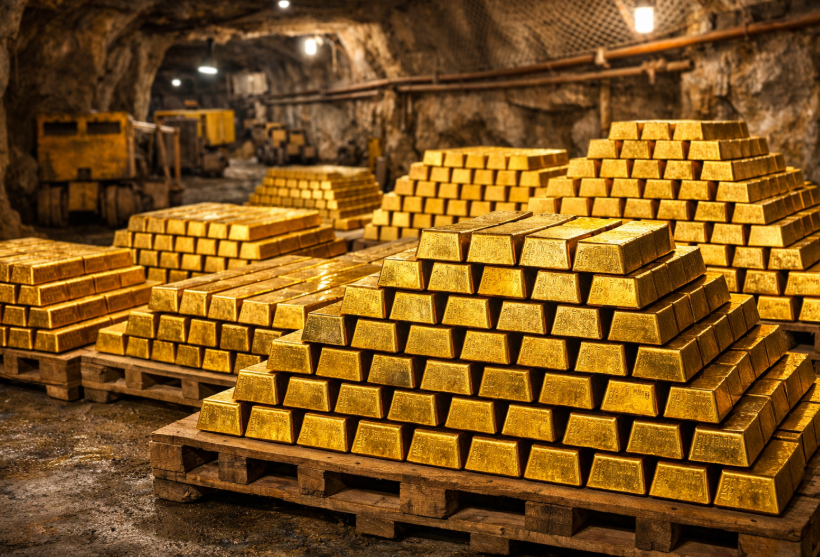
Dalradian currently trades at a £120M market cap (0.6%) of the resource value of the company. The 28% owned by Orion Mine Finance represents a high-risk/high-reward investment because an approval of permits would increase the enterprise value three times overnight.
Australian Northern Star acquired 2.2M oz PEA-stage project for C$1.2B in 2024; Equinox, C$2.5B for 3.8M oz inferred.
Strategic buyers are circling: Newmont is looking for a tier 1 replacement after Newcrest; AngloGold requires profitable development ounces; Chinese SOEs are looking to establish a foothold in Europe.
The European Signal
In 2025, the European Union has declared a critical minerals emergency. A streamlined permitting process has been launched in Norway and Sweden. However, the Irish regulation by objection model was unsuccessful due to demand for lithium and gold.
If the Cavanacaw project succeeds, this could open the door for additional development opportunities (15+) within Northern Ireland. However, a failure could create a "no-go" area for greenfield development in the future.
Three outcomes:
- Judicial victory (55%)—production 2029; Dalradian valued at £1B+
- Political agreement (30%)—reduced scale, pit only, community vetoes allowed
- Total failure (15%)—acquisition of asset by patient Chinese investors
What Smart Money Does Now
- Short run: Acquire Dalradian call options before the High Court ruling. Hedge Northern Ireland political risk through Irish REITs.
- Medium run: Monitor water quality data releases. A EPA sulfate concentration of less than 250mg/L will result in re-application to the EPA. Long run, European gold juniors are trading at a 20% net present value discount.

Any success at Omagh would likely provide considerable upside for all juniors in the space 3x would occur. The real challenge lies between a corporation and the community it is located within; the real challenge is/was the economy of Ireland in the 21st Century compared to the veto culture of the 19th Century; £21 billion provides the definitive answer to this question.
Latest Posts