

Sports FIFAs Cross-Border Anti-Doping Pact for World Cup 2026

A bigger tournament needs a bigger integrity system
In addition to this increased level of complication, FIFA is also working through a new, cross-border anti-doping agreement with huge implications regarding maintaining fairness across the borders, ensuring compliance by all competitors and operationally maintaining consistency during the tournament.
There are several different elements associated specifically with the importance of this anti-doping agreement for the 2026 FIFA World Cup: i) firstly, the size of the tournament is huge in scale; ii) second, there will be three different countries involved in anti-doping operations at the tournament; iii) finally, to maximise the level of fairness across participating athletes at the tournament there has to be total coordination between out of and in competition doping controls on a cross-border basis because otherwise the system starts to lose its efficacy having competitors involved at events held across international borders. To achieve this goal of total coordination, FIFA is entering into an agreement with USA Doping Agency (USADA), Sport Integrity Canada (SIC), and Mexico's National Anti-Doping Organisation (MEX-NADO) to ensure that athletes are subject to both out of competition testing as well as in competition testing under the authority of FIFA.
Why this matters for World Cup 2026
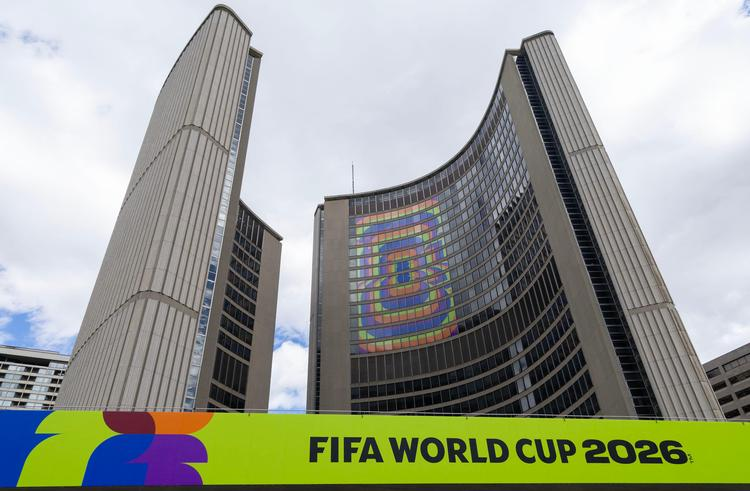
FIFA has a clear message: the larger the event, the more pressure there will be on showing that the competition is clean. The tournament runs from June 11 to July 19, 2026, and with more teams, more host cities, and more travel between venues, testing will need to be broader and faster than in previous editions.
This means that there need to be greater quantities of samples collected, increased coordination between those carrying out the testing, and increased testing before the start of the tournament itself. According to FIFA, the program will adhere to the World Anti-Doping Code and corresponding international standards; this is important because consistency is critical for cross-border testing systems. If one host nation applies a different process than another, the entire integrity of the testing system is subject to questions.
The business side of clean sport
This is more than just a sport’s governance story; it is also a business story that involves trust. For example, world cup sponsors, broadcasters, host cities and national federations rely on this tournament being perceived as credible. When the tournament has problems with anti-doping, there is a risk to the credibility of the tournament, and once that goes down, there will be real financial consequences. That is the situation for sponsors when they have a clean competition; the value of their brand is protected.
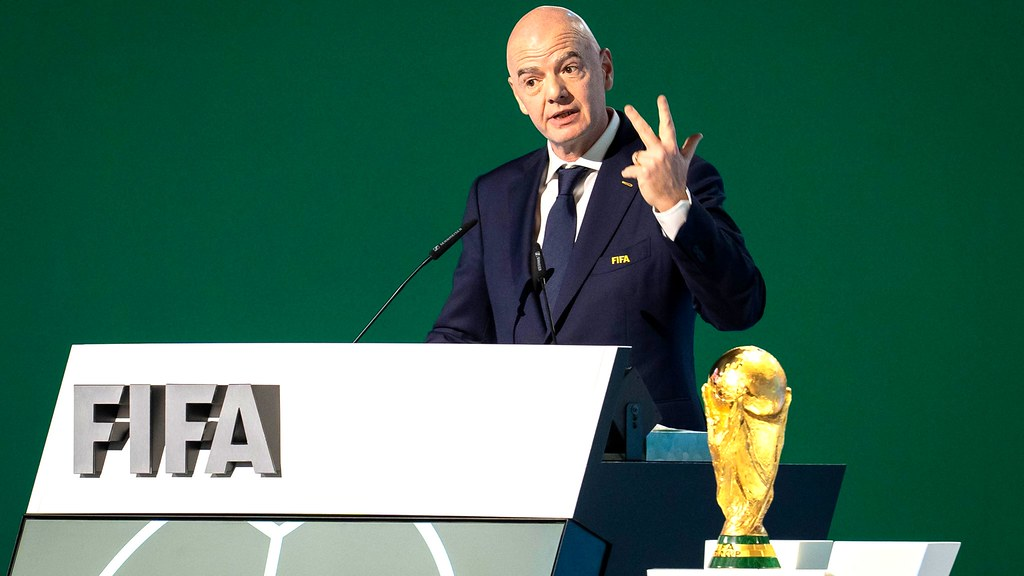
No major sponsor wants their logo associated with a tournament that does not care about the integrity of its players. The same holds true with broadcasters and hospitality operators who are buying a product that needs to be seen as a premier product and reliable. By increasing the level of enforcement of the anti-doping rules, FIFA also protects the commercial viability of the World Cup.
Why the cross-border model is different
While a standard anti-doping programme can be quite difficult to establish on its own, this particular programme must function in three separate jurisdictions, which means that the testing pool, the logistics of travelling for testing and the operations on match day must all be synchronized prior to either a player participating in a competition or a team taking the field.
As part of these new agreements, each country’s own national anti-doping organisation will assist FIFA with its operations in the country in advance of the tournament (by providing out-of-competition testing) as well as on match day after the game has started.
The reason for this coordination and execution of a successful anti-doping programme is that anti-doping control not only seeks to catch individuals who violate anti-doping rules, but also seeks to promote compliance through visible and credible enforcement of anti-doping rules.
Therefore, if athletes and teams are confident that the anti-doping distribution process functions in a coordinated, current and difficult to manipulate manner, then there will be more pressure to follow the anti-doping rules. This creates a situation where the execution of this agreement is just as much about signalling to athletes that they are not going to be able to manipulate the distribution of anti-doping test samples, as it is about actually testing those samples for marijuana.

What business leaders should notice
For executives watching the World Cup as a commercial event, there is a good example here to remind them that modern mega-events are created through co-ordination rather than just visual 'wow' factor; the commercial logistics behind events today include all aspects of health standards, integrity protocols, legal compliance across multiple jurisdictions, and operational plans for these events that will run for many months prior to the opening whistle of the tournament.
This lesson extends well beyond football. Any global business conducting operations across jurisdictions knows full well the potential costs associated with not being properly aligned. FIFA's way of working in this area reflects a broader reality; when the stakes are high, systems need to be integrated early in order to avoid having retrofitted systems at the last minute. The agreement on anti-doping may seem simply a compliance matter related to sport, but in fact it provides a template for effectively as a global organisation managing your reputation and a level of trust on a very large scale.
The bigger message
While the 2026 World Cup will be a massive marketing campaign highlighting the diversity of soccer around the globe, it will serve as a test of FIFA’s operational discipline as an organization. The organization’s recently-released cross-border anti-doping agreement for international sporting events indicates that FIFA is attempting to weave ‘clean competition’ throughout all aspects of this event as opposed to treating it only as an ‘afterthought.’
By offering fans the opportunity to compete in a fair competition and providing business stakeholders with the benefits of a trustworthy, easy to sponsor, and scalable competition across borders, the pact is worth following because it is about far more than testing competitors: it is about protecting the economic and cultural values associated with the World Cup.
Latest Posts