

Sports FIFA 2026 Cross-Border Law Symposium Begins
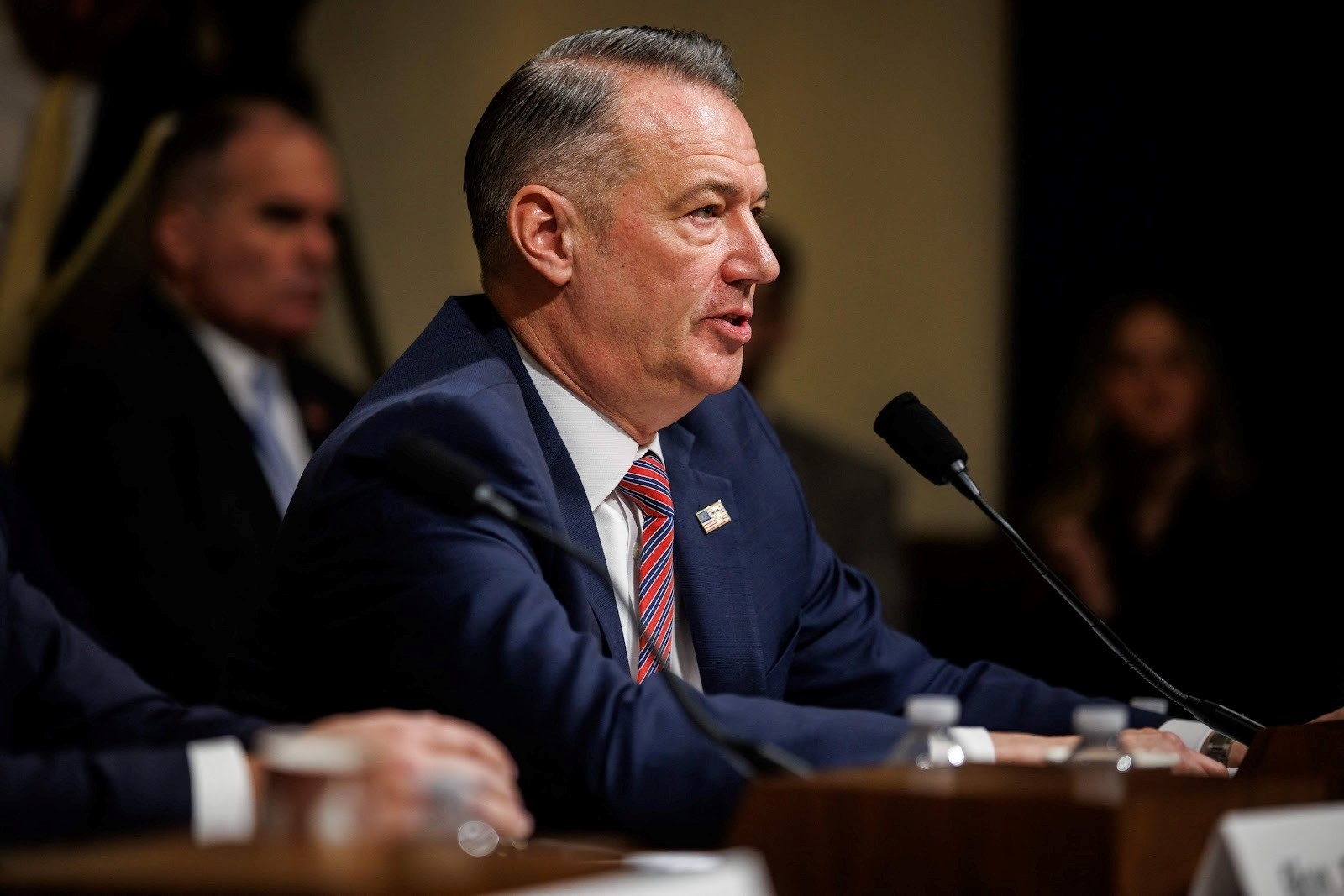
This symposium is going to discuss many challenges that occur with holding a World Cup in three different nations, across six different time zones, and between multiple legal jurisdictions. Businesses in the areas of sports media, sponsorship, ticketing, and hospitality will want to pay attention to the resolutions from this symposium, as they will directly affect the deals worth billions of dollars and create the operational procedures for these types of business operations in the future.
Why "Cross-Border" Matters More Than Ever
The complexity of FIFA 2026 involving three countries (U.S., Canada, and Mexico) will create more legal complications than any prior tournament held in one country. Players from three countries are subject to three different types of labor laws, and clubs from three countries face three different regulations on the transfer of players. Broadcasters must manage their rights to showgames from other countries, while also considering the rights of other broadcasters worldwide who want to show the same games or events. Furthermore, the outcome of individual games could lead to disputes regarding player contracts, stadium safety, and taxes due on sponsorship revenues.
There are three central points of friction which the symposium will seek to address:
- Mobility of Labor: Can a Mexican league player participate in a game in Vancouver under Canada’s work visa rules?
- IP & Broadcasting: How do U.S. rules for blacking-out games affect European rules concerning streaming or rebroadcasting of games?
- Tax Harmonization: Will stadium naming rights be subject to dual taxation between countries?
Business Stakeholders Watching Closely

Rights holders in the sporting industry have the greatest uncertainty at this time. A standard broadcasting framework for FIFA 2026 could generate $5 billion in revenues globally for TV rights, however, national regulatory requirements could fragment the sporting world. European clubs have raised concerns about the impact of fixture congestion on their ability to field sides, while MLS teams see more player options becoming available as a result of expanded rosters.
Brands in the hospitality and activation space need clarity on cross-border work permits for event personnel and international fan zones. A sponsor based in Toronto that wishes to activate in Seattle will have to deal with U.S. customs requirements regarding branded merchandise and temporary structures.
Ticket retailers are sorting out their respective policies for refunds based on where the fan resides and where the event occurs. If a Mexico City event is postponed due to weather, which country’s consumer protection laws apply to a fan residing in Vancouver who purchased his ticket?
The Indian Business Angle

The bulk of the FIFA2026 cross case implications are relevant to Indian based companies. The 25 million South Asian diaspora who reside in host cities provides companies like MakeMyTrip, Zomato and Paytm with potential sponsorship and fan engagement opportunities. At the same time, Indian broadcasters bidding for sub-continent rights (via a sub-continent block deal) have the challenge of negotiating a complex licensing arrangement with three separate regulatory bodies having jurisdiction over the licensing issue.
Travel trade anticipates that 300,000 Indian fans will travel to North America and provide approximately $1.2 billion in bookings. However, with ESTA visa processing delays and Canada’s requirement for an Electronic Travel Authorisation, operators in the sports tourism space need to establish cross border legalities before they can market packages with confidence.
Digital platforms face their own set of challenges as a result of this. Indian based fantasy gaming apps serving the diaspora will be required to adhere to the various U.S. state gambling laws while at the same time ensuring that they also comply with Canadian privacy laws on UGC.
Key Legal Battlegrounds Emerging
Three issues are causing major debate and concern in the early part of the dialogue:
1. Player Agreements and FIFA Regulations- Is it possible for a North American team to loan out a player to their respective Federation and not incur cross-border transfer fees? The United States labor laws are protecting the "Independent Contractor" label for a player who will not comply with FIFA's employment standards.
2. Harmonization of Venue Standards- Compliance issues for match operations stem from Mexico's altitude adjusted field sizes and the football stadium sizes in the United States.
3. Sponsorship Activation Rights- When a brand purchases pan tournament activation rights, they need to have consistent operational rule sets for their fan zone operations in all 16 tournament cities; this includes both any stadium perimeters and airport advertising.
Commercial Opportunities Amid Complexity
In contradiction, the complicated nature of law provides an avenue of opportunity. Legal firms focused on international sports arbitration are reporting 40% inbound inquiries related to FIFA 2026. Boutique consulting groups are building practices around ensuring compliance across multiple jurisdictions. Consequently, technology solutions to automate visa processing and map out regulations for fans travelling to various locations are emerging in response.
For Indian businesses, the strategy is to build relationships with North American attorneys that specialise in sports law, while simultaneously leveraging the sports arbitration expertise in New Delhi to provide services to Indian brands likely to face cross-border legal issues. Brands that alleviate friction associated with cross-border transactions by providing a bundled travel package, a single payment rail or offering compliance services as a stand-alone service will realise disproportionate value.
The Bottom Line for Business Readers
The FIFA World Cup 2026 cross-border law symposium is the onset of globalised sport. The assumption of single markets is consistently challenged, and companies that treat this as a legal issue are missing a significant opportunity for commercial growth.
From the boardrooms of Mumbai to sports technology start-ups in Bengaluru, organisations have a clear message: be ahead of the curve on managing cross-border complexity now or risk being left behind by competitors who have already established themselves as the rule-makers in your industry by being able to read through rulebooks before they play their next game.
Latest Posts