

South Africa Wins After Insane Double Super Over Thriller
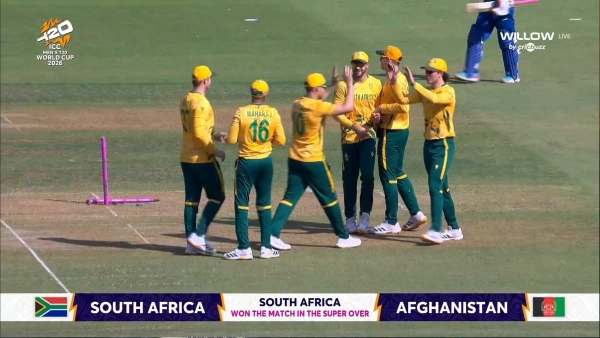
A Match That Refused to End
At Ahmedabad, South Africa posted 187 for the loss of six wickets; they scored through quality batting across the top of their batting order in addition to a good finish from Marco Jansen. Afghanistan collected an equivalent 187 runs through the batting of Rahmanullah Gurbaz (84 runs off 42 balls) and an outstanding last over from Kagiso Rabada, who had three no-balls, one wide, and one six scored from the bat of Noor Ahmad. Therefore, both teams had identical scores after 20 overs of regular time and we then proceeded to one Super Over.
Afghanistan batted first in the first Super Over and set a score of 17 runs. It was enough for South Africa to have to score 7 runs from the last ball of the Super Over for it to be a tie. Tristan Stubbs hit a six from the last ball of the first Super Over to create a tie. First time in the history of cricket there were two Super Overs in one match.
Miller, Stubbs, and Maharaj Flipped the Script
The second Super Over felt more like a stress test than sport. Batting first, Stubbs and David Miller tore into Azmatullah Omarzai, crashing three sixes and racing to 23, leaving Afghanistan needing 24 from six balls.
Keshav Maharaj dismissed Mohammad Nabi early, but Gurbaz almost broke the script again: three consecutive sixes left Afghanistan needing six off one ball, then five after a wide. One more big hit would have forced a third Super Over, until Maharaj drew a mis‑hit to backward point and South Africa finally exhaled, winning by four runs.
What This Says About South Africa
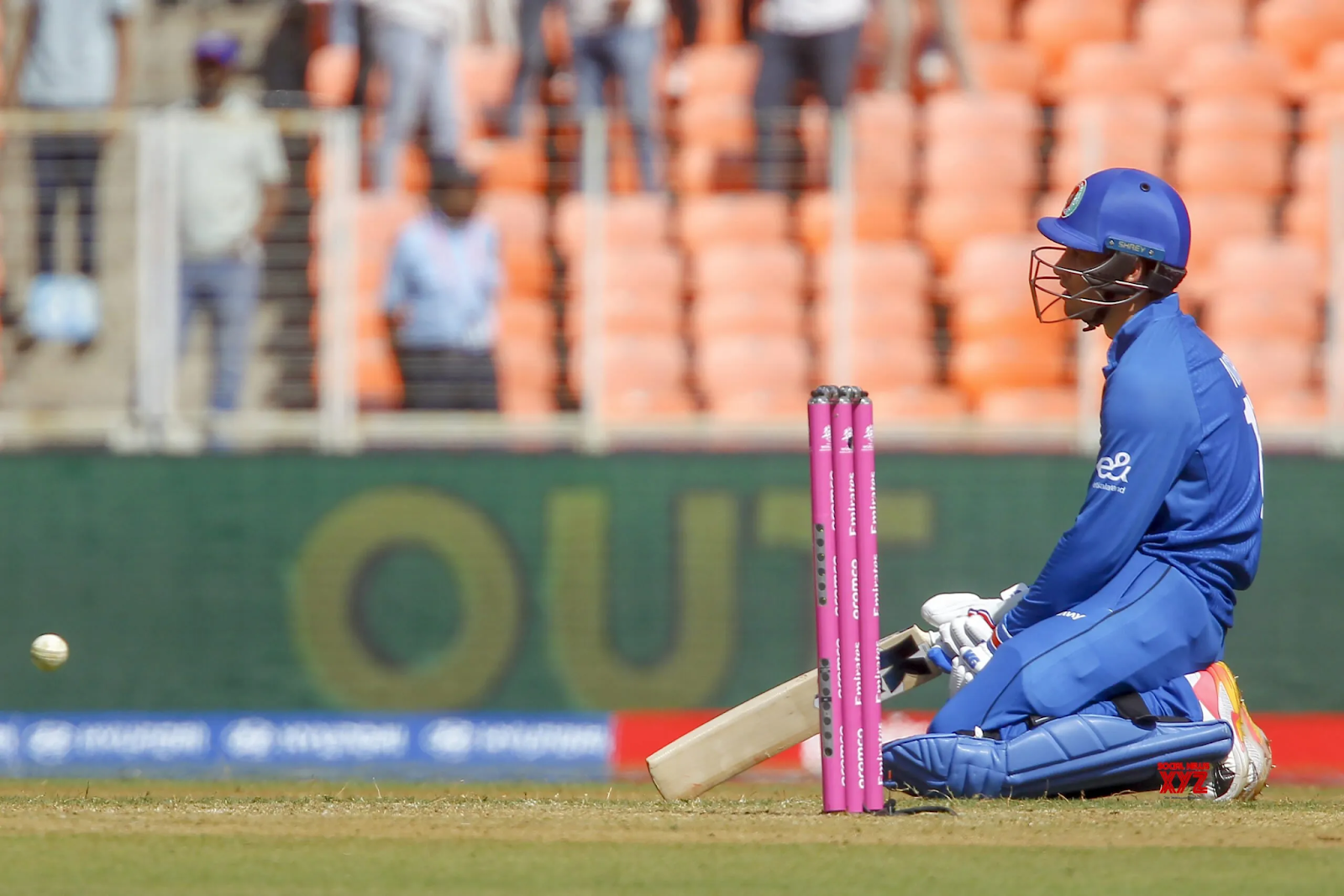
Despite being labelled "chokers" in ICC tournaments for a long time, South Africa re-wrote this narrative. The Proteas gave up an excellent position during regulation time. He gave away 17 runs in the first Super Over, and found a way back into the game through Stubbs, Miller, Ngidi, and Maharaj.
There are several key components of exceptional performance and leadership that stand out regarding how South Africa performed in this match.
- Role clarity: The hitters (Miller and Stubbs) knew when it was time for them to do their job, as did the pressure specialists (Ngidi in the last overs and Maharaj in high-pressure situations).
- Psychological resilience: The ability to respond to multiple "almost losses" with calm rather than panic can be the difference between being eliminated and remaining in the tournament in such a difficult group.
Afghanistan’s Heartbreak, and Rising Stock
Afghanistan suffered heartbreak after losing a heart-stopping contest in which they lost a match to a team ranked in the top five in the world twice in the same game (once in regular play and once in a two super-over tie). Afghanistan also has developed a high level of competitive credibility and has established itself as a force to be reckoned with on the world stage through the innings of 84 by Gurbaz during that chase, which proved their ability to compete against quality opposing sides. In addition, Afghanistan’s ability to force two super overs creates significant credibility with boards and leagues and potential sponsors as they move forward in their new competitive world.
The Business of a Double Super Over
From a digital-first, business-first perspective, this game produces “algorithm” gold on multiple levels:
- It produces significant spikes in viewership and minimal churn of audiences (for both linear TV and digital streaming) in both South Asia and Africa.
- It provides numerous pieces of short-form highlight content (three straight sixes, six on the last ball, last ball wicket) for easy dissemination via TikTok, Reels, and YouTube Shorts.
- It increases engagement level for Fantasy and Sports Bet platforms because of fluctuations in in-play action and valuable narrative hooks surrounding individual players.
For rights holders and sponsors, this is why Live Sport commands premium pricing—while you can’t plan for a game like this (to produce a Double Super Over), when it does occur it very much validates the purse size associated with this level of artistry.
What Teams and Brands Can Learn
Remove the thrilling moments from each part of the match played between South Africa and Australia, and you’ll be left with three points that can be applied to teams and brands as well:
- Focus on developing depth surrounding specialists: Both Ngidi (moving to bowl the last over of T20 innings) and Maharaj (bowling in the second super over) showed that the need for clearly defined roles plays a larger part in a player’s success than his reputation.
- Plan for extreme circumstances: T20s can be chaotic by design, and teams that rehearse extreme scenarios (e.g., sixes in the last over or multiple super overs) are better prepared when the improbable becomes a reality.
- Take advantage of the experiences created by play: Brands looking to gain consumers' insights into this experience should create promotional campaigns or pieces of content about this match as “The Greatest T20 Ever Played” so they can capitalize on these raw emotions while they are still fresh in people's minds.
Hence, South Africa winning this match in double super overs shows the strengthof reliance, preparedness, and creating an emotional story, ather than just being a match report. These are all compounding factors in today's game of cricket, be it on the playing field, on the screen, and on the financial statement.
Latest Posts