

Canada Moves to Ban Social Media for Kids Under 16

However, it raised concerns regarding its impact on psychological well-being of children, their safety and privacy. Due to these issues the Canadian government is considering restricting social media use for children under 16.
In one way or another, some believe there should be established laws to prevent potential risks online. Others suggest, however, that in case social media was restricted too much, it would hinder learning, creativity and communication among adolescents.
While discussing the issue, decisions of the Canadian lawmakers will become known to many other countries and may impact legislation in other countries as well.
Why Governments Are Concerned
Governments, as well as health officials, are concerned about the time young individuals spend using media. In addition to exposure to dangerous content and being a target for online bullying, social media can cause children to become addicted to it and engage with other people online.

Children are vulnerable in this regard because they are growing and developing. The opinion is prevalent that underage people cannot be expected to discern fake news, navigate online threats, or comprehend the consequences of sharing personal information online. All of these concerns prompted government organizations to consider regulations that would ensure the safety of minors online.
- Minors need to be protected against prolonged use of electronic devices.
- Children should be prevented from accessing any harmful content.
- Minors should be taught how to use media safely and wisely.
Individuals are convinced that social media organizations should also contribute to the safety of young people online.
- Social networks should create a safe environment for children.
- Social media organizations should teach kids how to use their resources responsibly.
- Organizations should collaborate with governments to develop policies.
Canada’s Proposed Social Media Restrictions
The proposal for Canada involves restricting the use of social media for children below the age of sixteen.
The most important objective of the initiative is to protect the younger generation from anything that happens online and ensure accountability of technology companies. The means of verifying the age of users is one of the biggest issues related to the implementation of the proposed regulations. Currently, it is hard to verify the age because most social media platforms rely on asking people to provide personal information, which is not a reliable solution.
With the introduction of such proposals, social media platforms would need to implement some means of determining the age of an individual, thus preventing underage children from accessing these websites.
A Growing Global Movement
The Canadian initiative is part of a global trend of managing children’s access to social media platforms. Various states have either begun contemplating legislation aimed at ensuring the safety of individuals online or already enacted such regulations.
Various countries have begun exploring options for safeguarding citizens online. Among possible solutions include:
- Enhanced age verification systems
- More power to parents in decision-making
- Media restrictions
- Greater transparency, particularly with regard to algorithmic interactions
As various states monitor one another’s actions, those taken by the Canadian government may become models for other nations.
The Mental Health Debate
Mental health problems are one of the risks associated with the use of social media by children. According to most research, excessive media consumption may cause feelings of anxiety, sadness, loneliness, and insecurity concerning physical appearance among others.

Children view images of other peoples’ lives and feel pressure to live up to a certain image or standards in order to become successful and popular. Another risk factor is bullying. Unlike traditional bullying, cyberbullying is constant and reaches the child regardless of location thus is difficult to avoid. Emotional distress from cyberbullying can be devastating especially to adolescents.
Privacy and Data Protection Concerns

In speaking about the effects of the social media on the psychological state of users we also need to consider the privacy issues. Social media websites collect much information about its users including the pages visited, preferences and interests, geographical location and so on. The problem is that the adults may understand everything about it but children do not know anything about that to make reasonable decisions.
In the meantime, as the information about the necessity of maintaining privacy became public knowledge more and more legislators believe that special measures should be taken to protect children from any exploitation and exposure to inappropriate material. That is why the current issue is whether children can give consent concerning the collection of personal data on social media platforms and whether it is necessary to pass special laws to protect children’s rights.
Challenges in Implementing the Ban
While many may argue that regulations are needed in order to protect kids online, enforcing a ban on social media for those who are below the age of 16 is difficult. Age verification would be one problem because social media sites have to come up with an effective way to verify users ages without creating issues of privacy. Verification processes may create risks of data leaks, invasion of privacy, and identity theft.
The implementation of such regulations would also pose challenges as far as enforcement of the regulations is concerned. For instance, while social media sites operate internationally, the regulations might not necessarily apply everywhere since there will be legal and geographical differences. In addition, children may try to circumvent the restrictions through the use of certain online techniques or other means.
Parents, Educators, and Industry Perspectives
There are many different views expressed by parents, educators, as well as representatives of technology companies. For example, many parents believe that youth social media should be restricted due to the difficulties in monitoring children’s actions while being online. Moreover, the use of social media may keep youth glued to the screen for a certain amount of time.
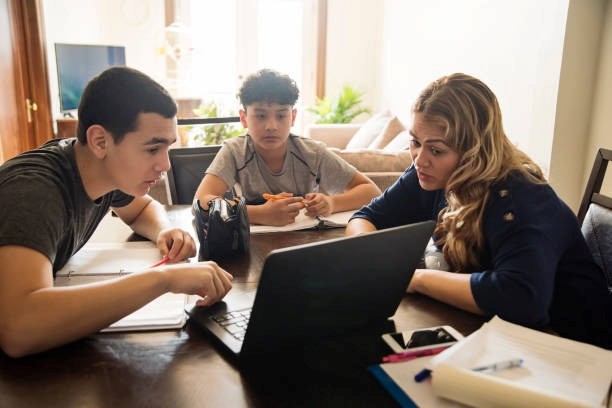
The same concerns about social media use among youth come from educators. These educators claim that social media has negative impacts on children’s school performance, as well as their attentiveness and willingness to listen during classes.
In turn, representatives of technology companies agree that certain measures should be taken but at the same time emphasize the benefits of social media. Thus, technology companies agree on the necessity of finding a balance between protecting children from social media drawbacks, as well as letting them benefit from social media resources.
What Comes Next for Canada’s Digital Policy?

Canada’s approach can be considered as a bargain regarding how to manage the internet. Discussions on this topic indicate that people start understanding the necessity to help children and teenagers with their online activity. It concerns the efforts of the governments, technology corporations, schools, and parents.
It is not easy to find the right solutions for the management of internet usage while trying to provide children with such benefits as educational content, social networks, etc. The new regulation can imply age verification and liability of the platforms in protection of users’ personal data and digital literacy.
Latest Posts