

Single-Infusion CRISPR-Cas9 Therapy Shown to Safely Lower LDL Cholesterol in New Trial
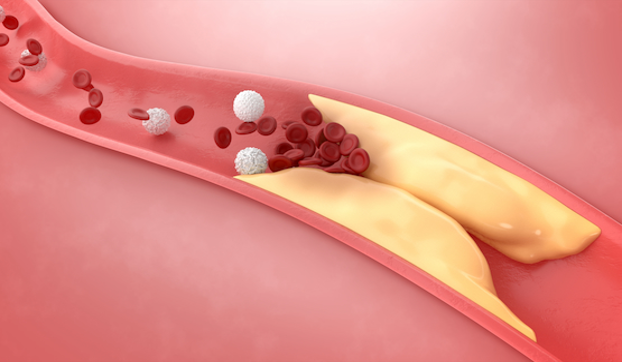
In a recent gene-editing trial that tracked cholesterol levels for an entire year following the initial infusion, the results being promising subtly hint towards the one-time treatment becoming a clinical reality in the near future!
Table of Contents
1. What the Trial Actually Found
2. How the Therapy Works
3. The Trial Design
4. Safety Findings
5. Why This Matters: The Adherence Problem
6. What This Isn't, Yet
7. How It Compares to Existing Cholesterol Treatments
8. What Comes Next
9. Conclusion
What the Trial Actually Found
In a collaborative research being conducted by Researchers at the Cleveland Clinic in association with the Victorian Heart Institute, a newly developed CRISPR-Cas9 gene-editing therapy called CTX310 was infused in a single intravenous method and showcased safe and consistent results that the infusion resulted in continuously lowered LDL ("bad") cholesterol and triglycerides throughout an entire year post-infusion. With the highest dosage levels, participants presented with over 52.5% average reduction in LDL cholesterol along with a 47.8% reduction in triglycerides for the 12 months that followed the one-time infusion treatment. The result also showcased that the CTX310 was also successful in consistently showing the same strength and impact on the target genes at the one-year mark as the levels that it had reported in the early stages.
The findings from the trial were recently published in the New England Journal of Medicine while being presented as late-breaking data at the European Society of Cardiology (ESC) Congress 2026 meet on August 28. The research is currently being led by co-first authors Dr. Luke Laffin of Cleveland Clinic and Dr. Stephen Nicholls of the Victorian Heart Institute, alongside senior author Dr. Steven Nissen.
How The Therapy Works
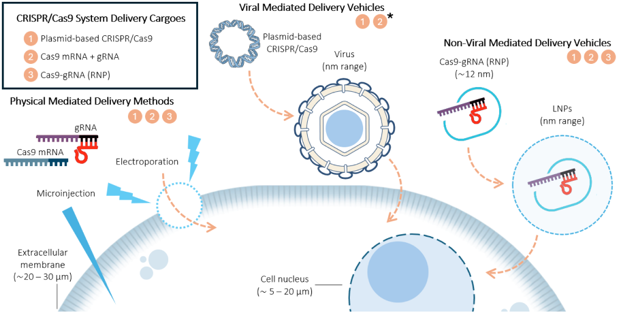
The newly developed approach, CTX310 functions on the basis of delivering its CRISPR-Cas9 gene-editing machinery into the body’s liver cells where it switches off a specific gene called ANGPTL3 (angiopoietin-like protein 3). The target gene ANGPTL3 is responsible for preventing enzymes from clearing all the fat and cholesterol within the body, its switching-off or inhibition by CTX310 enables the body to clear LDL cholesterol and triglycerides more effectively. The ability of CTX310 to directly activate itself within the liver cells and edit the Liver DNA enables it to work with a one-time dosage, or at least as long as the edited liver cells continue to function normally, while also reducing the need and dependence over constant medication. The trials tested a high dosage level (0.8 mg/kg), which resulted in roughly a mean 79% reduction in circulating ANGPTL3 at the one-year mark, with individual participant reductions ranging as high as 89%, while also establishing itself as the underlying editing effect that manages the downstream cholesterol and triglyceride reductions.
The Trial Design
Currently, the published trial and research results are Phase 1, meaning it was the first-in-human trial and involved testing on 15 adult participants who were diagnosed with uncontrolled hypercholesterolemia, moderate-to-severe hypertriglyceridemia, or mixed dyslipidemia, conditions that are known to specifically resist standard treatment. Amongst the participants, a significant 40% participants also reported that they were already taking PCSK9 inhibitors, the newest and strongest treatment technique that still results in poor control and regulation of the cholesterol levels.
At the beginning of the study, every participant was given a single intravenous dose of CTX310 at one of five dose levels ranging between 0.1 to 0.8 mg/kg while also utilizing corticosteroids and antihistamines as pretreatment to help manage and prevent infusion-related concerns. Throughout the study, the participants with the higher dosage levels of the infusion provided the highest and most consistent levels of results.
Safety Findings
Throughout the entire duration of the research, two of the 15 participants had experiences of serious adverse events,but researchers were unable to link them to any toxic effects that could’ve been caused due to CTX310 itself. Additionally, since the gene alters the Liver Cells DNA, the Liver function was directly monitored and remained normal and unaffected throughout the one-year follow-up process, apart from a single participant who had experienced a transient elevation in liver enzymes, a situation that resolved itself quickly without any additional medicine or treatment. Considering the associated risks with altering DNA-Genes, the FDA has recommended a 15-year and beyond treatment window for all such therapies with the therapy founder, CRISPR Therapeutics being committed to the requirement, building onto the one-year data that has been gathered.
Why This Matters: The Adherence Problem
Dr. Steven Nissen, the co-author on the study emphasized that the findings of the research aim to resolve one of cardiology’s biggest challenges, regular and timely consumption of medications in clients. This is a crucial perspective, since medications by nature are highly dependent based on the patient’s routine discipline as well as consistent usage to remain effective throughout, while a single infusion helps minimize near-term cost, side effects as well as friction against general lifestyle and medication. The markets are filled with medications and drugs that can control cholesterol and fat when the patient regularly consumes it, but the larger question and the focus of this research is whether any gene-editing approach or therapy is suitable and consistent with its effect without the need of multiple doses or maintenance. Researchers believe that since the gene-therapy focuses on changing the Liver DNA, it can persist over long periods of time as the liver tissue is relatively slower in regeneration and can thus be extremely beneficial and a primal choice over regular medications.
What This Isn't, Yet
It's important to be precise about what this trial has, and hasn't, established. This is a Phase 1 safety and dose-finding trial in just 15 participants — it demonstrates that CTX310 appears safe and biologically effective at lowering LDL and triglycerides, but it is not yet approved for clinical use, and it has not yet been shown to reduce actual cardiovascular events like heart attacks or strokes, which would require larger, longer-term trials specifically designed to measure those outcomes. CRISPR Therapeutics has said it anticipates sharing updates from the trial's Phase 1b portion, focused on patients with severe hypertriglyceridemia, in the second half of 2026.
How It Compares to Existing Cholesterol Treatments
|
Statins/PCSK9 Inhibitors |
CTX310 (Investigational) |
|
|
Dosing |
Daily pill or periodic injection, ongoing indefinitely |
Single one-time IV infusion |
|
Mechanism |
Reduces cholesterol production or clearance-blocking proteins |
Permanently edits ANGPTL3 gene in liver cells |
|
Adherence dependency |
High — requires consistent long-term use |
None after initial treatment |
|
Reversibility |
Fully reversible by stopping the drug |
Not reversible; DNA edit is permanent |
|
Regulatory status |
FDA-approved, widely used |
Investigational; Phase 1 data only |
|
Long-term outcome data |
Extensive, decades of cardiovascular outcome data |
None yet; requires future dedicated trials |
What Comes Next
CRISPR Therapeutics has since confirmed that it is already carrying out its phase 1b trials, focused on testing whether a fixed flat dose that is similar to the most effective dose from the previous phase is able to reduce problems for patients with severe hypertriglyceridemia. While the CTX310 also requires to undergo Phase 2 and Phase 3 trial, including studies that are specifically curated to establish whether the LDL and triglyceride reductions seen here actually translate into fewer real-world cardiovascular events, an ultimate benchmark that new cholesterol treatments are now compared with.
Conclusion
Medicational dependence and consumption often carries various factors ranging from the cost to regular consumption and personal attitudes attached to regular medication that can dictate the outcome of such treatment practices. Having a treatment that doesn’t require daily supplementation but rather solves a challenge from its core is truly a boon in the field of research and innovation. The trial, during its phase I trials has brought striking reductions in LDL Cholesterol and triglyceride levels but doubts continue to linger about the actual capacity of a single infusion to uphold its efficiency beyond a year for the longer run while also involving doubts regarding long-term side effects and prevention from heart attacks and strokes in the longer run. And those questions are bound to lead the headlines as the research steps into its next phase with the hopes of researchers and clients for the therapy actually becoming ‘a major clinical advance’ in the right path.
This article is written for general informational purposes and does not constitute medical advice. Anyone managing cholesterol or cardiovascular risk should speak with their doctor about treatment options currently available to them
Latest Posts