

Seven US Embassies Across the Middle East Issue Security Alerts Amid Fears of Renewed Iran Escalation
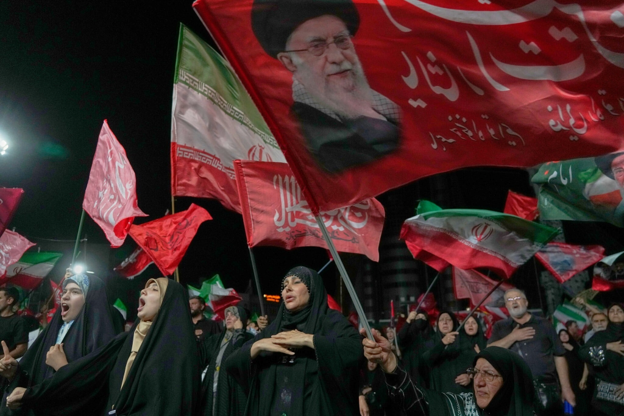
The alerts follow a temporary ceasefire reached in June that has since collapsed, a wave of Houthi attacks on Saudi Arabia, and Iran's continued threat to keep the Strait of Hormuz closed. The State Department is urging Americans outside the region to reconsider travel to the Middle East altogether, warning the situation could escalate quickly and without much notice.
What the Alerts Actually Say
The security alerts, issued Tuesday and echoed by additional missions in Oman, Lebanon, and Jordan through Friday, use nearly identical language across every posting. Each one describes the regional security environment as remaining complex, with the potential for unforeseen escalation, and urges Americans currently in the Middle East to exercise heightened vigilance. The warnings flag the possibility of flight cancellations, sudden airspace closures, and broader travel disruptions that could develop with little advance warning.
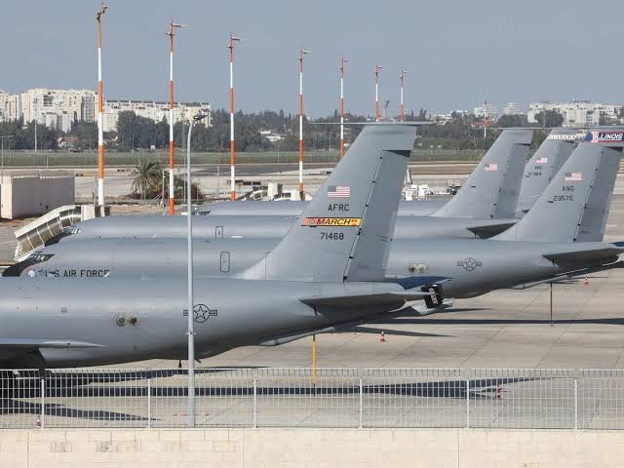
Beyond the general warning, the guidance gets specific about what to actually do if fighting breaks out nearby. Americans are being told to stay away from glass doors, windows, and any fallen debris during an attack, keep their phones charged, and follow instructions from local authorities. The US Embassy in Amman went further, specifically advising Americans to avoid travel to military bases in Jordan, since American military facilities there have become a repeated target in Iran's retaliatory strikes.
How This Escalation Started, and Where It Stands Now
To understand why seven embassies are issuing nearly identical warnings within days of each other, it helps to trace the timeline. The current phase of open conflict between the US and Iran traces back to late February 2026, when the State Department issued a worldwide caution following the launch of US combat operations against Iran. That escalation intensified into March, when Iran struck the US Embassy in Riyadh with drones, prompting the US to temporarily close its embassies in both Saudi Arabia and Kuwait.
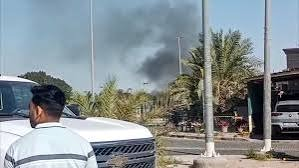
A ceasefire framework was eventually reached in June, offering a period of relative calm. That framework has since unraveled. On September 1, the US launched what appeared to be a heavy round of airstrikes across Iran's coastline, with Iran's Revolutionary Guard responding with attacks on American bases in the region, marking the first direct strikes on Iran in roughly a month at that point. Tuesday's renewed military action represents the latest and most serious flare-up since.
Adding another layer to the crisis, Iranian-backed Houthi forces have separately engaged in hostilities against Saudi Arabia, including strikes affecting civilian airports, and launched a rapid ground offensive around the Bab el-Mandeb Strait, seizing the port city of Mocha and nearby islands. That strait sits at the mouth of the Red Sea and is one of the world's most strategically important oil shipping chokepoints, which is exactly why fighting near it tends to ripple well beyond the immediate region.
The Strait of Hormuz Standoff
Iran has separately said it will keep the Strait of Hormuz closed until its conditions are met, which Tehran has framed as an end to the ongoing naval blockade, sanctions relief, and the release of frozen Iranian assets. Iranian parliament speaker Mohammad Bagher Ghalibaf reiterated that stance over the weekend. Given that a significant share of the world's seaborne oil trade passes through that strait, any sustained closure carries consequences well beyond the immediate military conflict, touching global energy markets and shipping costs more broadly.
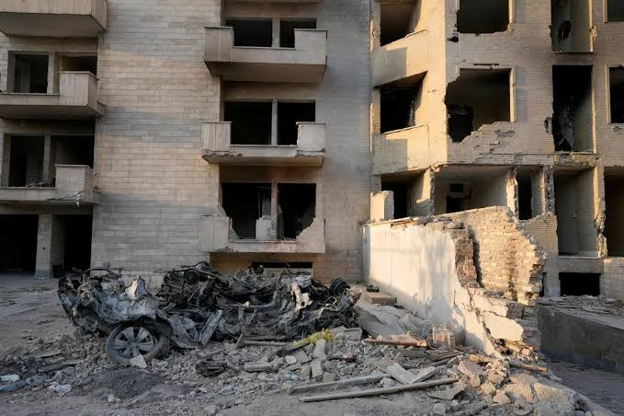
The Economic Pressure Track Running Alongside the Military One
Tuesday's military escalation coincided with a parallel economic push from Washington. Treasury Secretary Scott Bessent, speaking at the G20 gathering in North Carolina, said the administration intends to economically pressure Iran's government to force it back to the negotiating table, alongside the announcement of additional sanctions. That statement lands against the backdrop of the Trump administration's recently approved $24.3 billion sale of roughly 50 F-35 fighter jets to Saudi Arabia, widely read as a significant show of support for the kingdom amid the broader regional tension.
On the diplomatic side, Iranian President Masoud Pezeshkian said Monday that Tehran remains willing to return to the June ceasefire framework, and specifically appealed to Indian Prime Minister Narendra Modi to help advance peace efforts, a notable signal that back-channel diplomacy hasn't been entirely abandoned even as the fighting continues.
What This Means for Americans in or Near the Region
For anyone currently in the Middle East, or planning travel there, the practical guidance is fairly consistent across all the alerts issued this week: register with the State Department's Smart Traveler Enrollment Program (STEP) to receive real-time security updates, follow the US Department of State's official WhatsApp channel for security notices, and check flight status directly with airlines rather than assuming normal schedules will hold. The broader Worldwide Caution advisory issued earlier this year remains in effect, and the State Department has continued urging Americans outside the region to seriously reconsider travel to or through the Middle East given how quickly conditions have shifted throughout this year.
FAQs
1. Which US embassies issued security alerts this week?
Missions in Jordan, Israel, Qatar, the United Arab Emirates, Saudi Arabia, Kuwait, and Bahrain issued alerts on Tuesday, with additional alerts from Oman, Lebanon, and Jordan following through the week.
2. Why did the US-Iran ceasefire collapse?
A ceasefire framework reached in June held for several months before breaking down, with renewed US airstrikes on September 1 and further military action in mid-September marking the most significant flare-ups since.
3. Is the Strait of Hormuz currently closed?
Iran has said it intends to keep the strait closed until its conditions, including an end to the naval blockade and sanctions relief, are met, though the situation remains fluid.
4. What should Americans in the Middle East do right now?
Enroll in the State Department's STEP program, monitor official State Department channels for updates, avoid military installations where relevant, and follow local authority guidance in the event of an attack.
Latest Posts