

Scientists Discover Plastivore Bacteria Colony in Mariana Trench
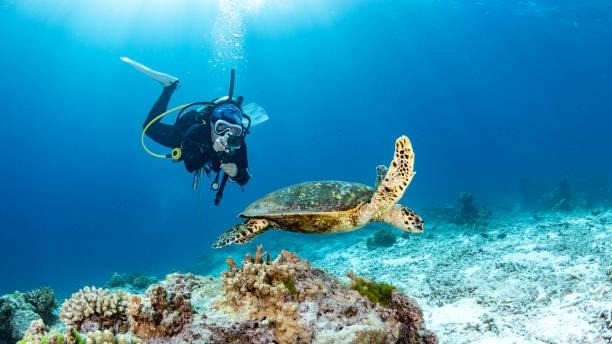
These bacteria live alongside the waste. These discoveries make researchers believe that some of the bacteria will be able to degrade plastic waste in the oceans. However, more research needs to be done to determine how effective the process will be. What is important here? First, it shows us that human activity is influencing even the deepest corners of the planet. Second, it tells us how adaptable microbial life forms can be.
A Discovery in Earth’s Deepest Ocean
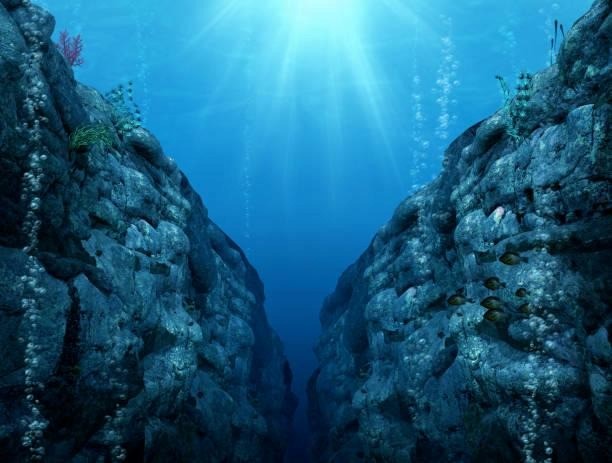
The Mariana Trench is the deepest part of the world’s oceans, which stretches to almost 11,000 meters underwater. The Mariana Trench is a challenging area, as it is completely dark and extremely cold; additionally, the pressure there is incredibly high – more than a thousand times higher than at the surface of the water.
There is plenty of factors making the Mariana Trench hostile to any life form; yet, despite all these obstacles, scientists continue discovering organisms thriving in the Mariana Trench. Thus, recently, thousands of new microbes unknown to science, thriving in the sediments located at the bottom of the Mariana Trench, were discovered by specialists. The presence of microbes thriving on plastic debris in the Mariana Trench is another evidence that helps us better understand what kind of life forms are capable of surviving under extreme conditions.
What Are Plastivore Bacteria?
The plastivore bacteria are organisms that can grow on, contact or even degrade plastic. Such types of living beings have been extensively researched for quite a long time already. The main idea behind this research is to identify the capabilities of microbes to break down synthetic plastics.
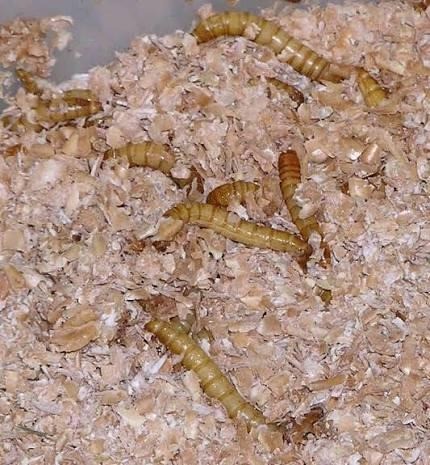
It should be noted that plastic waste is persistent and remains within the environment even for centuries. There exist such bacteria that create specific catalysts. With their help, it becomes possible to break down different fragments of plastic. However, the process is extremely slow. Scientists are sure that understanding of such creatures would allow them to address plastic pollution. Plastivore bacteria are very significant organisms for discovering a solution for dealing with waste.
The Growing Plastic Problem in the Mariana Trench
The location where this discovery was made is very shocking. The Mariana Trench happens to be one of the isolated locations of the world; however, it does not lack plastic waste. There are plastics bags and microplastics located at the depths of the Mariana Trench.
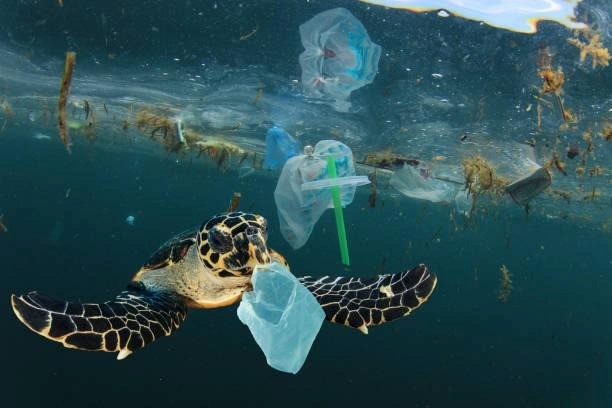
Microplastics were detected after scientists analyzed the dirt found in the Mariana Trench. In this case, plastic pollution has managed to infiltrate even isolated locations of the ocean. The presence of bacteria that live on plastic in the ocean highlights the degree of impact humans have exerted upon this part of the marine ecosystem.
Microbial Life Thriving Under Extreme Pressure
Inhabitants of the Mariana Trench are microorganisms that are capable of living in difficult environmental conditions. Microorganisms possess the ability to survive under great pressure and lack of food. Thousands of microorganisms were found in the soil of the bottom of the Mariana Trench.
Many microorganisms found in the Mariana Trench possess capabilities not characteristic of other forms of life. For example, microorganisms inhabiting the Mariana Trench are capable of functioning in high pressure conditions. It is of particular interest to researchers studying the possibility of using living organisms for practical purposes. In addition, microorganisms inhabiting the Mariana Trench can develop in plastic waste, which is quite unusual. In conclusion, microorganisms inhabiting the Mariana Trench are very resilient creatures.
Hydrocarbon-Eating Microbes Provide Clues
Bacteria which feed on plastic may exist in the Mariana Trench based on evidence of microorganisms which eat hydrocarbons in the region. It has been established that some bacteria feed on oil-like compounds within the depths of over 10,000 meters.
Hydrocarbons are used by microorganisms as an energy source in order to survive where there is lack of food resources. Plastic is derived from petroleum; hence, scientists speculate that some microorganisms interact with plastics as well. Further investigation is required. The bacteria which feed on hydrocarbons provide information on how deep sea bacteria adapt to carbon-based compounds such as plastics.
Potential Benefits for Plastic Pollution Research
The exploration of means to solve the problem of pollution is crucial for Earth’s survival. There is currently much research regarding solutions for eliminating plastic waste. For example, scientists are trying to develop ways to destroy plastic without recycling processes. Deep-sea bacteria seem to be able to achieve such results because they possess enzymes which break down plastic in very cold water under high-pressure conditions.
Scientists would like to understand how these enzymes operate. It may help them develop new technologies aimed at solving waste problems. This, in turn, could contribute to the development of methods of removing plastic from the environment, thus preserving nature. At present, however, it appears to be too early to achieve this goal.
Challenges and Scientific Uncertainty
Despite the discovery’s excitement, scientists admit that there is much to figure out. The presence of bacteria on plastic products does not necessarily mean that they are able to decompose it entirely. The researchers have to establish whether the microbes simply reside on plastic or contribute to its decomposition in some way.
Deep-sea environments are known to be highly complicated. The process of obtaining samples from the ocean’s depths requires special equipment and lab work. For this reason, scientists are careful with conclusions. They have to figure out the significance of microbial communities for the environment and their possible uses for the latter.
A Window Into Deep-Sea Evolution
Our discoveries have also provided insight into adaptation in organisms that live in such regions. The Mariana Trench is essentially a laboratory that provides an environment that no other part of Earth provides to the creatures.
Through studying the adaptations it provides insight into biology and how life thrives in different circumstances. In some cases, scientists believe that by studying the life that exists in deep sea microbes will allow us to understand more about finding life in different planets, specifically in those that feature very harsh environments. That the tiny creatures are able to thrive on items created by humans indicates their adaptability to new environments in order to survive.
What Comes Next?
Scientists are investigating the Mariana Trench as well as other deep-sea environments in search of microbial communities and their biology. Advancements in technologies aid scientists in sample collection and advanced analysis.
It is crucial to learn what kind of enzymes these microbes have and if bacteria truly contribute to the removal of plastic. The finding demonstrates the severity of the problem caused by plastic and how successfully life manages to survive in such conditions. Further exploration may help to come up with new solutions to an environmental problem facing humans. Further research on the topic will continue to offer new insights.
Latest Posts