

Samsung vs Dua Lipa The 15 Million Image Rights War
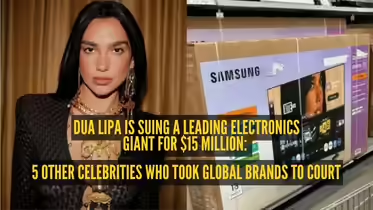
The repercussions of this case show the magnitude of how image rights are greatly valued by those who are engaged in modern marketing—where a minor error by the Company could potentially create millions of dollars in exposure to the Company in terms of legal fees as well as to their brand's image.
What Samsung allegedly did wrong
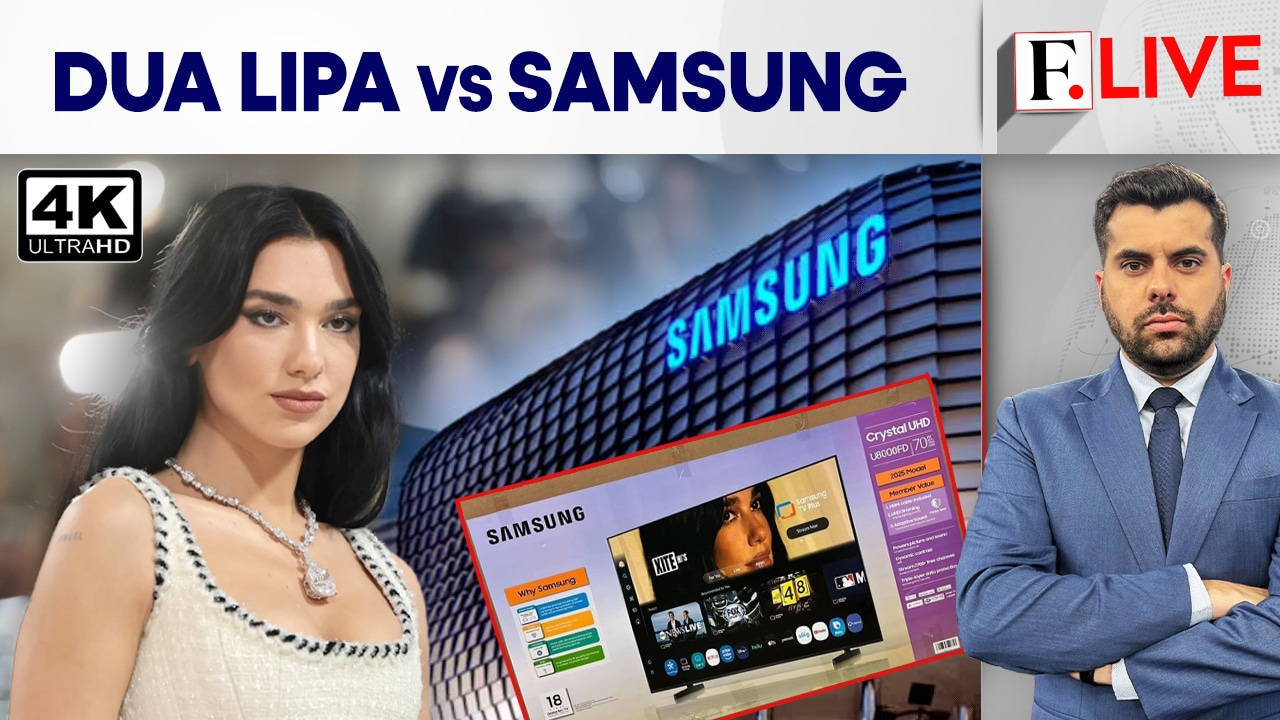
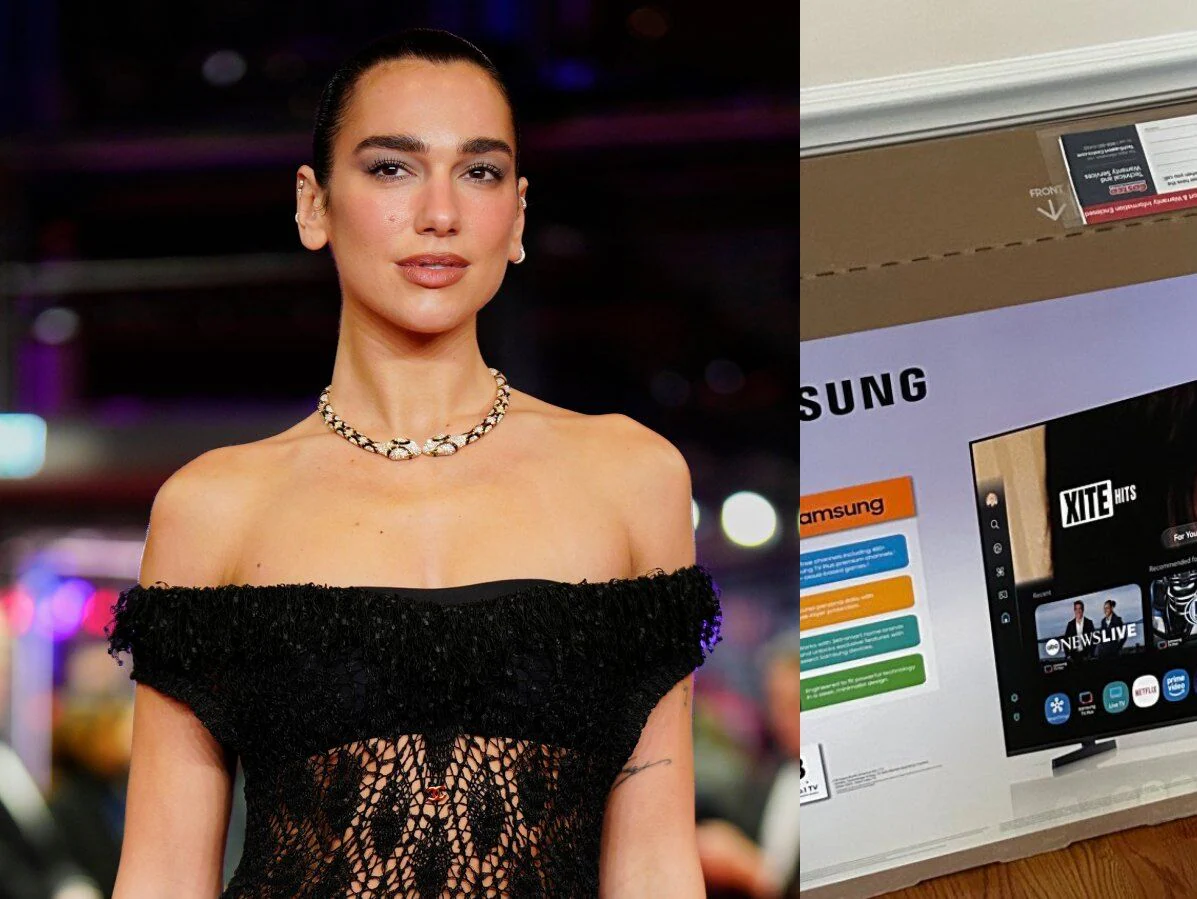
Unauthorized image of Dua Lipan was created by a third-party within the context of Austin City Limit's 2024 festival. The resulting lawsuit against Samsung claims that Lipa's lawyers provided cease and desist letters to Samsung in an attempt to prevent using this image on their packaging for television products in the United States in 2025, however, Samsung never responded to them. Samsung's use of Lipa's image created a false sense of endorsement of the Samsung brand commercial usage, which will damage their brand image.
The lawsuit alleges trademark infringement, false endorsement (as defined by the Lanham Act), copy violation; as well as infringement under California State Law; along with the defendant's refusal to acknowledge Lipa's lawyer's cease and desist letter was unfair competition. For these violations, Lipa's attorney is seeking compensatory damages exceeding $15 million, punitive damages and a permanent injunction.
Why this case matters for brands
Disputes over the endorsements of celebrities such as these highlight the following three major sources of risk:
1. Third-party creative risks regarding the source/image. In the case of this image, the source was an authorized image from a stock photography company. When using an image or likeness of a celebrity, however, the image/likeness must be used also with the explicit rights obtained through examining the celebrity in the manner in which that celebrity is presented. An agency may find themselves not being able to use a particular person’s image or likeness in a way that was "safe" and then they now have to face lawsuits as a result of the way that they used/did not use that image or likeness.
2. When consumers see a celebrity's image on the packaging of a product, they presume that the celebrity has endorsed that product and this may lead to being subjected to liability under the Lanham Act's false advertising doctrine in that a manufacturer cannot represent that a product has been endorsed by the celebrity without that endorsement being expressly granted.
3. There will be an example of the multiplication of damages through the $15 million damages being generated as a function of the volume of Samsung's television sales while also accounting for the volume of television sales attributable to the use of the subject image in the sale of the televisions. Once the plaintiff can present prima facie evidence of "willful" infringing by the defendant to the court, the defendant will be entitled to recover profits from the sale of Samsung television based on the evidence of the plaintiff.
Precedents that should have warned Samsung
Samsung has experienced other similar occurrences in the past. Listed below are examples of cases involving publicity rights where there were similar events that preceded the cases:
(1) In 1988, Bette Midler sued Ford for violating her right to publicity by using a sound-alike singer in their advertisements;
(2) In 1992, Tom Waits was awarded $2.4 million from Frito Lay for using a singer to imitate his voice;
(3) In 2025, Rehab Time and Gucci settled for $18 million for using a model without permission.
The three above-cited cases show a pattern wherein the courts awarded defendants either all of their profits derived from their actions, plus punitive damages, when the defendant failed to respond to their cease and desist letter. Furthermore, Samsung's alleged continuing pattern of repeated refusals provides additional support for imposing maximum liability.
Business lessons beyond the headlines
Image rights clearances must be obtained by marketing teams during the creative agency’s RFP process in addition to the normal timing of creative agency legal reviews occurring between the design content approval step and the production lead time step. Finally, prior to printing packages, there will be an AI facial recognition search performed on each celebrity reference, to verify the packaging mock-ups.
Purchasing format changes Impacting brands requiring indemnification for likeness infringements from the advertising agency as part of the Creative RFP. Firms providing front-end creative services to leading brands will also establish policy limit requirements of $50M or higher.
Damage calculations: value of damages against Samsung in United States on television marketplace multiplied by value of impressions created by packaging multiplied by Lipa's endorsement fees ($3-$5 million/campaign).
The reputational multiplier
Trust in celebrity endorsements is damaged by disputes and controversies surrounding money. An example of this is that sloppy rights management communicates disrespect to consumers; therefore, Samsung has the largest loss due to the level of quality and accuracy luxury consumers expect from their brands, regardless of costs.
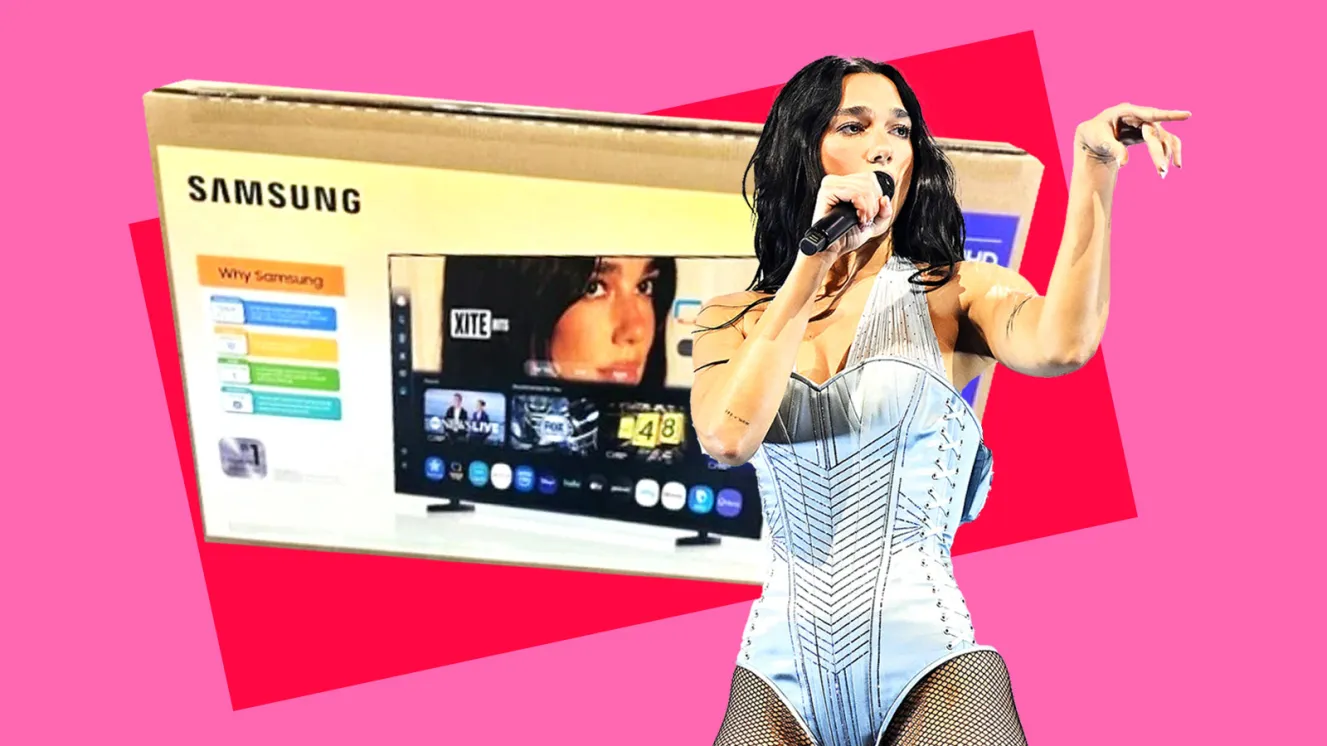
Impacts to creator and influencer economies: Influencers are beginning to demand photo rights audits in contracts, while agencies are beginning to use facial recognition clearance as part of their campaign processes.
Strategic takeaways for digital brands
Celebrity likeness validation is done by organizations called pre-clearance platforms (e.g. RightsDigital or ImageRights). In addition, AI guardrails are used to compare packaging against over 200,000,000 celebrity images before production.
Escalation protocols provide for a response to a legal notice of cease and desist within 48 hours. The evolution of insurance for image rights laws has now become commonplace for an organization with a market capitalization of $100M or greater.
The bigger trend
Under the provisions of the Digital Services Act in the UK, and forthcoming EU Digital Services Act, using someone's likeness without consent is a business decision made by CEO's, not only lawyers or producers. For example, with the litigation by Dua Lipa against the Samsung Group for misuse of her likeness as an advertisement for a product, it is now abundantly clear that companies who manage their celebrity endorsements strategically will benefit on their balance sheet and in the media, vs. companies who allow their celebrity endorsements to act as a decoration on their petty marketing efforts will be on the wrong side of their financials and in the media.
Latest Posts