

Samsung Electronics Reports Record Q3 Operating Profit of 107.4 Trillion Won, Topping Nvidia's Single-Quarter Profit
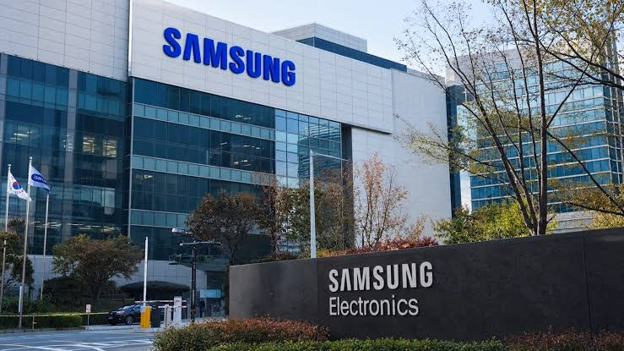
Driven by a boost from Memory chip sales, caused by the Artificial Intelligence boom around the world, the company reported a 195 trillion won in revenue while also surpassing Nvidia’s profit within the same period by a whopping $63.7 billion in quarterly operating income.
Table of Contents
1. The Numbers
2. How the Record Compares
3. What Drove the Profit
4. The Other Side of the Ledger
5. Market Reaction
6. How Samsung Got Here
7. What Analysts Expect Next
8. Key Figures at a Glance
9. Conclusion
The Numbers
Samsung’s recent filing placed the company’s third-quarter operating profit at 107.4 trillion won, a substantial 782.5% higher than the 12.17 trillion won profit it managed to achieve in the same quarter of 2025. Samsung also remarkably reported a 126.5% spike in its revenue, having garnered 195 trillion won as compared to its performance in the same quarter of previous years. In the same period, Samsung also reported an increase in its operating profit at roughly 20% range. The company’s filing also disclosed a record operating margin of 55.1% with its Q3 operating profit being nearly double than the company’s entire 2025 operating profit of 43.6 trillion won. Currently across the first three quarters of 2026, the company has achieved a cumulative profit of 254.1 trillion won while analysts further expect it to touch 350 trillion won by the end of the year.
How the Record Compares
The quarter’s record gains marks the fourth consecutive quarterly profit for Samsung with the giant collecting 89.5 trillion won on a revenue of 171.5 trillion won in the second quarter of 2026. Notably, Samsung’s all-time quarterly record had maintained itself at 17.6 trillion won, a benchmark set in the third quarter of 2018 before being broken by the recent figure. In comparison to other industry competitors, Samsung’s profit also became a new benchmark within the big tech giants. Nvidia within the three months to July 2026, reported an operating income of $63.7 billion based on its SEC filings, while Samsung’s operating income surpassed it by $16 billion, or roughly 26% higher.
|
Company |
Period |
Operating profit |
Source |
|
Samsung Electronics |
Q3 2026 (preliminary) |
107.4 trillion won (~$80.2 billion) |
Samsung filing |
|
Nvidia |
Quarter to July 26, 2026 |
$63.7 billion |
SEC filing, via IBTimes |
|
Samsung Electronics |
Q2 2026 |
89.5 trillion won (~$66.7 billion) |
CNBC, Seoul Economic Daily |
|
Samsung Electronics |
Q3 2018 (former record) |
17.6 trillion won |
Neuralwired |
What Drove the Profit
The driving force behind the profit surge is surely Samsung’s memory. Samsung is yet to file its divisions in preliminary guidance, but brokerages estimate its memory business earned around 109 to 110 trillion won in the quarter with estimates of DRAM contributing about 80.1 trillion won and NAND flash adding another 28.7 trillion won. Over the last year, demand for high-bandwidth memory (HBM) used in AI servers, along with conventional DRAM and NAND, has outrun supply, pushing prices up sharply and in turn raising Samsung’s profits. According to a report by the analyst Douglas Kim, Samsung's HBM shipments rose roughly 50% in bits from the previous quarter while DRAM shipments rose about 3% in the quarter with prices jumping around 20%. Within the larger market, Samsung along with two leading memory makers has collectively generated over $163 billion in operating profit per quarter, a strong figure within the memory supply markets.
The Other Side of the Ledger
While Samsung’s Chip Making Segment witnesses unprecedented growth and lifts the company profits, other sections continue to decline and raise concerns for developers. The Samsung Device Experience Division, known for supervising the company’s production and development of smartphones, TVs and home appliances remained as the worst performing division, with an estimated loss of 1.1 trillion to 2.6 trillion, a record second consecutive negative performance for the division. At a larger level, Samsung’s memory profits have ensured that non-memory operation losses are adequately managed, including the Device Experience division, foundry as well as the System LSI.
Market Reaction
While Samsung celebrated its spike in profits, investors took a cautious approach with Samsung Electronics Shares dipping by 2.4% to 262,000 won following the announcement of its quarter profits. As compared to its June 19 record evaluation of 374,500 won, the stock find itself 30% below it's record valuation as brokerages start to believe that memory prices have peaked, a market outlook that can have significant ripple into 2027 as well.
How Samsung Got Here
For Samsung, the quarter's profits, built on the AI-driven surge in prices, provide a relief and a rapid reversal from the decline it witnessed due to inventory correction through 2023 and early 2024. Since then, the company has witnessed a 100% year on year increase in profit for four straight quarters beginning from the last quarter of 2025 which garnered 20 trillion won and the second quarter's profit of 89.5 trillion won and further surpassed by this quarter's 104.7 trillion won.
What Analysts Expect
Based on various analysts from Seoul Economic Daily, Samsung's profit could further witness another 47% spike by the next year with HBM set to take up a larger set of production that could deepen the chip shortage and enhancing demand within the chip supply markets. According to Samsung’s own 2026 outlook, the company looks for its chip division to achieve 370 trillion won with 2027 capacity set to increase further following a successful growth in profit across quarters.
Key Figures at a Glance
|
Metric |
Q3 2026 (preliminary) |
Change |
|
Operating profit |
107.4 trillion won (~$80.2 billion) |
+782.5% year on year; ~+20% quarter on quarter |
|
Revenue |
195 trillion won ($145.6 billion) |
+126.6% year on year; ~+13.7% quarter on quarter |
|
Operating margin |
55.1% |
Company record |
|
Estimated memory profit |
~109–110 trillion won |
Brokerage estimates |
|
Estimated Device Experience result |
Loss of 1.1–2.64 trillion won |
Second straight quarterly loss (estimate) |
|
Cumulative Q1–Q3 operating profit |
254.1 trillion won |
Kyunghyang Shinmun |
|
Share price after announcement |
262,000 won (-2.4%) |
~30% below June 19 record |
Conclusion
Samsung’s preliminary third-quarter performance and profit is about to become a new benchmark for the company as well as for South Korea’s corporate history, and specifically for the memory-chip markets. And while analysts await the final figures and divisional breakdown to assess the growth for the company, the scale of the profit are safe from any disputes. Yet what remains to unravel is how long the profit continues, with sales currently being boosted by the chip shortage and predicted to further deepend by the next year before sustaining at newer normal levels for the tech giant.
Latest Posts