

Samsung-Affiliated Insurers and Tech Sector Drive Global Earnings Rallies
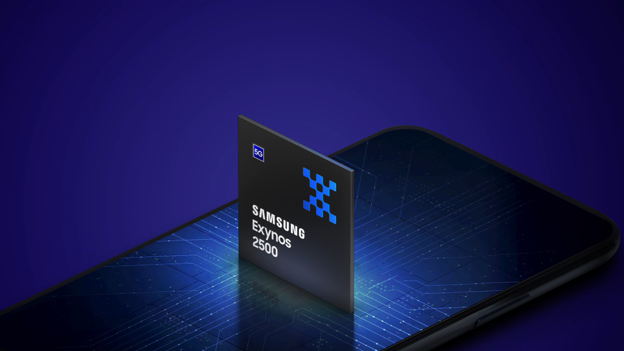
And then there’s the rally happening in South Korean markets since late July, so strong in significance that describing it as a rally is an understatement. A period of the markets which witnessed it lose nearly 11% in a single session, and make up 18% four days later before charting up to new record territory ever since. And the driving forces behind these trends are simply Semiconductors, AI infrastructure demands along the boom of their chipsets, allowing insurers and chipmakers to soar to new heights.
Global markets have observed a strong opening to August with rallies rooted in strong tech and semiconductor earnings, with South Korea's KOSPI surging past 6,600 and briefly triggering trading circuit breakers, while Samsung Fire & Marine Insurance climbed over 26% in a single month on a mix of dividend appeal and its own stake in Samsung Electronics' fortunes.
Table of Contents
- The KOSPI Rollercoaster, Explained
- Why an Insurance Company Is Riding the Chip Rally
- What's Actually Driving the Global Tech Rally
- Timeline: A Month of Extremes
- The Case for Caution
- Conclusion
The KOSPI Rollercoaster, Explained
To understand where South Korea's market sits today, you have to look at where it's been in just the past two weeks. On July 28, the KOSPI sank 10.84% to close at 6,023.66, its sharpest daily loss in more than four months, as an Asia-wide selloff in semiconductor shares triggered widespread panic. Regulators later said they were investigating whether foreign high-frequency traders had amplified the swings, particularly after the launch of new leveraged ETFs tied to Samsung Electronics and SK Hynix.
Then came the reversal. On July 31, the KOSPI rocketed 17.91% in a single session — the largest single-day percentage gain in the index's history outside of the 2008 financial crisis — closing at 6,595.45. Samsung Electronics jumped 26.81% that day alone, its biggest one-day gain on record, while SK Hynix surged nearly 30%, touching its daily trading limit. The Index again touched highs of 6,600 by August 5 while being driven by strength of Wall Street and falling oil prices, even triggering a buy-side circuit breaker in the process and halted program trading for over five minutes.
Why an Insurance Company Is Riding the Chip Rally
It;s obvious to wonder why an insurance company is affiliated with semiconductor earnings? But with Samsung Fire & Marine Insurance's case, it comes down to its balance sheet rather than its underwriting business. Samsung Fire & Marine holds a significant equity stake in Samsung Electronics, which means its own share price benefits directly when Samsung Electronics rallies.
Samsung Fire & Marine witnessed a 4.4% growth in net profit marking significant growth in 2026’s first quarter. The company also gained a 24.4% boost in its investment profits prompting multiple brokerages to raise their price targets. NH Investment & Securities raised their targets from ₩740,000 to ₩910,000, claiming a rise in value from its Samsung Electronics holding as well as the company's independent earnings stability.
What's Actually Driving the Global Tech Rally
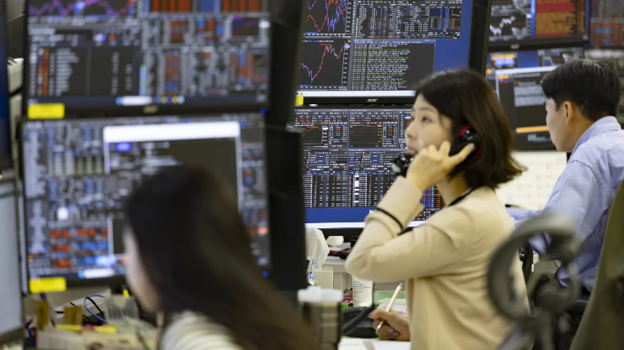
Underneath the Korean market’s massive swings, there’s a simple foundation, sustained and immense demand for memory chips and AI Infrastructure. During August, Wall Street experienced its own rally as the Dow rose 1.71%, the S&P 500 gained 1.79%, and the Nasdaq surged 2.59% on August 4, with chip and AI-linked names leading the massive rises. Micron also further jumped by 7.62% while AMD climbed 7%, and Palantir soared nearly 30% in the same session.
At the same time, global forces are also influencing the tech-driven optimism and spike in prices. From the easing tensions in the Strait of Hormuz, resulting in decreased prices after reduction of premium in oil prices and market anxiety at the same time. Additionally, South Korea’s KOSPI has also become a proxy for the global AI trade, with its 2026 performance being compared to the Nasdaq 100's 102% surge in 1999.
Timeline: A Month of Extremes
|
Date |
KOSPI Move |
What Happened |
|
July 28, 2026 |
-10.84% |
Sharpest single-day loss in 4+ months; Asia-wide chip selloff |
|
July 29, 2026 |
Continued decline |
Second consecutive circuit breaker triggered |
|
July 31, 2026 |
+17.91% |
Largest single-day gain since 2008; Samsung +26.81%, SK Hynix +29.95% |
|
Aug 4, 2026 |
Steady gains |
Wall Street rally overnight (Dow, S&P, Nasdaq all up) |
|
Aug 5, 2026 |
+3.85% to +4.88% |
Buy-side circuit breaker triggered; SK Hynix +7%, Samsung +4% |
The Case for Caution
While headlines would convince you that this is good news for the markets and urge you to invest and profit from the surges, there’s an underlying volatility in these numbers that’s quite important to take into consideration. Kiwoom Securities analyst, Han Ji-young nudged everyone to consider KOSPI's inability to hold onto gains above 5% on days following big rallies, while suggesting that the market might experience pressure from investors who are looking to sell into rebounds to recoup earlier losses. Additionally, Citi has also argued that prior to investing in the rebound considering the markets as fully stable, it’s worth awaiting an official confirmation of foreign capital flows to ensure a genuine buying opportunity.
The market is also currently under regulatory scrutiny, with South Korean financial authorities investigating the presence and volume of foreign high-frequency traders involved in amplifying recent volatility, especially since program trading nearly doubled following the launch of newly leveraged ETFs tied to Samsung Electronics and SK Hynix. And even though the underlying financials are genuinely strong, it’s worth ensuring that the rally is built on the market’s fundamentals and not just leveraged, high-frequency trading infrastructure.
Conclusion
It’s easy to think of these market surges as booming tech and rise in markets as a result, but that hardly covers what is actually happening. This isn’t a steady rally but a volatile market that fell 11% and gained 18% all within the same week, strictly on the foundation of genuine earning strength as well as leveraged, high-frequency trading dynamics with the latter being a matter of investigation. Samsung Fire & Marine Insurance's rally marks these foundations clearly, actual excellence in earnings as well as a stock price along the ride on the basis of Samsung Electronics' fortunes. And whether this further develops into a sustainable, fundamentals-driven rally or ends up becoming an extensive surge some analysts have been warning about is something to await for in the coming weeks.
Latest Posts