

Reinforcements and Risk Why the U.S. is Considering a 200 Billion Surge in the Iran War Today
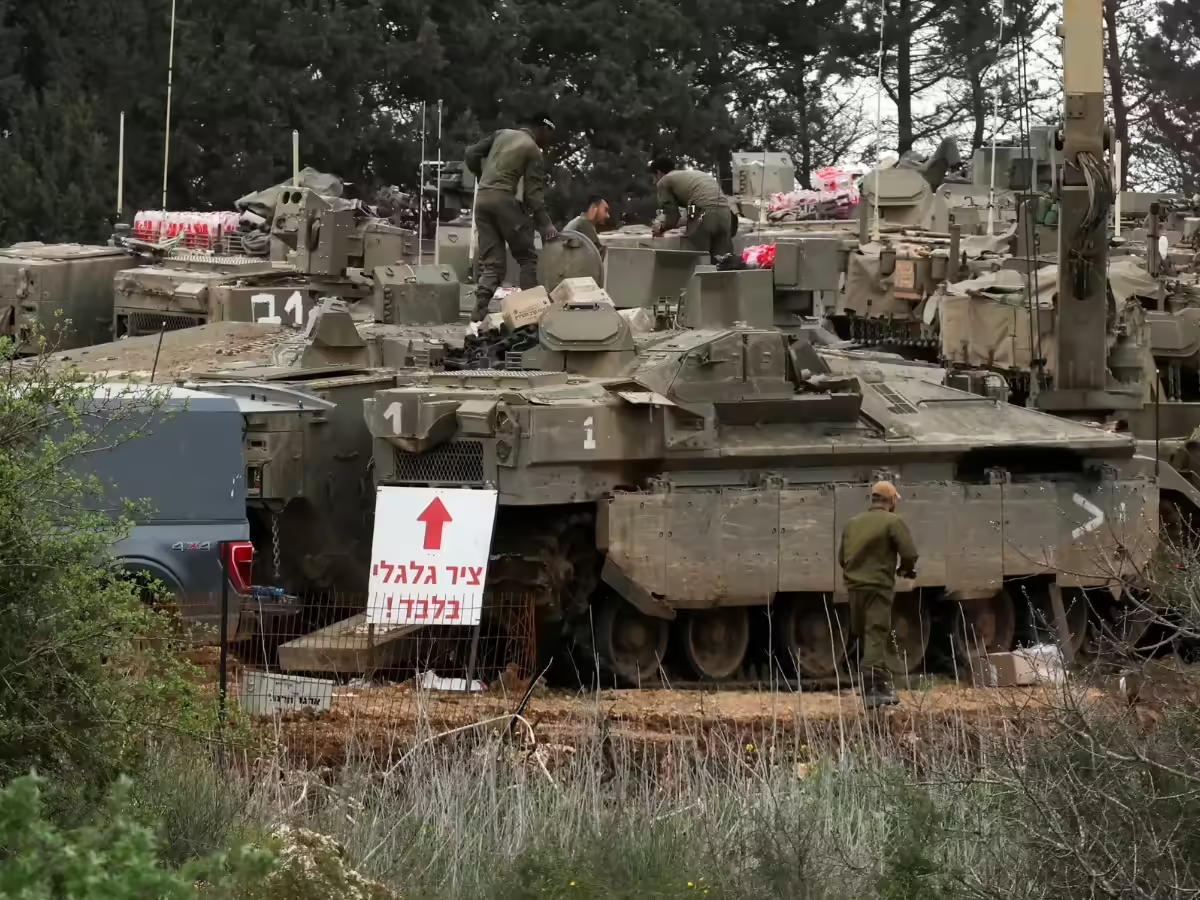
For companies that have a footprint in the Middle East (as example, Energy companies, Logistics companies, etc.), what is happening in Iran is not just abstract geopolitics; rather, they have supply chains, pricing and risk-related impacts associated with what is occurring in the region which require immediate attention.
From Airstrikes to Ground Options
The conflict began on February 28 when joint strikes from the U.S. and Israel destroyed Iran's nuclear infrastructure, missile factories and maritime assets. As of now, the U.S. Central Command has conducted 7,800 sorties resulting in the destruction of over 120 Iranian vessels; however, Iran has performed numerous retaliatory attacks utilizing drones and missiles. Air assets are strained to maintain air superiority over the Persian Gulf with the USS Gerald Ford carrier strike group and THAAD.
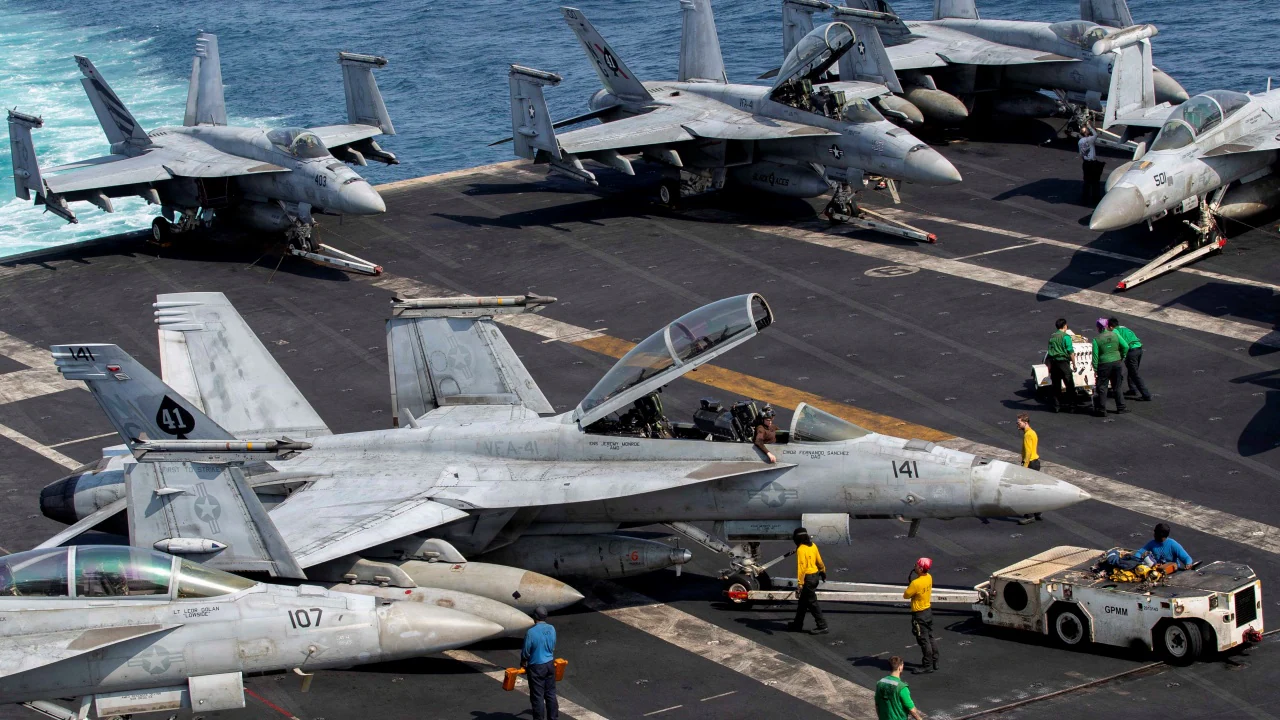
The White House is considering military reinforcements for the U.S. Navy's presence in Iran whereby troops will likely be stationed on the Iranian coast to support their operations in the Persian Gulf region, including securing the Strait of Hormuz. There are discussions regarding the deployment of "thousands of personnel" with Marines currently being repositioned from USS Tripoli and B-52 bombers rotating from Diego Garcia to support U.S. air operations against Iran. The $200 billion dollar budget encompasses not only the cost for personnel but also increases munitions manufacturing, carrier resourcing and expanded regional basing.
Strategic Calculus: Hormuz or Defeat
The Strait of Hormuz remains central to this crisis. Iran's threat of closing the waterway has jeopardized 20% of the world's oil and substantial LNG. The presence of air and naval forces alone cannot effectively guarantee safe passage through the Strait; Iran still has numerous swarming fast boats and anti-ship missiles giving it asymmetric advantages over this waterway even though many of its vessels have been lost.
Using ground troops would allow our Marines to destroy Iranian coastal batteries, establish floating bases and escort oil tankers directly—transitioning from loss-based warfare to a strategy focused on controlling the territory itself. DNI Tulsi Gabbard also said that Iran's nuclear program had been "obliterated," but many military analysts maintain that 'degraded' is not synonymous with 'defeated.'
The $200 Billion Price Tag: What It Buys
There are many major trade-offs reflected in the $200 billion surge in the Iran War.
- Munitions replenishment. The pace of using munitions, including Tomahawks, JDAMs, and air defense interceptors in the 7,800 strikes, is at an unprecedented rate; replenishing the quantity of these munitions alone will exceed $50 billion.
- Carrier Operations. The USS Gerald R. Ford will need to go into drydock sooner than planned, which will also accelerate the maintenance backlog because of the additional surge deployments of the carrier.
- Ground Force Sustainment. The need for housing, logistics, and rotating over 10,000 marines throughout CENTCOM bases costs between $30 and $40 billion per year.
- Regional Basing. Jordan, UAE and Qatar are now required to host additional F-35 squadrons and Patriot batteries, which will place additional strain on their host nation agreements.
The above numbers represent a lot of significant trade offs that Congress is considering as it debates an emergency supplemental funding for the military. Baseline Pentagon budgets will not meet the sustained need for high-intensity conflict.
Business Risk: Three Immediate Scenarios
There are several possible outcomes for entities that are primarily digital-based, including:
- (60% chance) The strait of Hormuz is made secure, oil spikes to $120-$140 (Brent – benchmark price) and level off at $100+; Indian refiners face a $15-$20 billion annual increase in the cost of imported fuels; the price of jet fuels increases two-fold==>
- (30% chance) The strait of Hormuz is made contested, crude hits $200 at spot value; a 70% chance of a global recession rises; airfreight rates rise three-fold, container shipping stops==>
- (10% chance) A regime change occurs in Iran triggering a reconstruction boom and huge refugee movements that disrupt Turkey, Pakistan & Gulf countries.
Indian Exposure: Refineries, Remittances, Routes
India gets 85% of its oil from imports. A $10/barrel increase in the world price translates into a $15 billion increase in the total amount paid to foreign countries for the imported oil. The two major Indian oil companies, Reliance Industries and Indian Oil, are now aggressively hedging against the price of oil; however, the companies are also experiencing a reduction in their refining margins.
Airspace closures over countries like Iran, Iraq and others in the Gulf region are extending the routes that airlines take to reach destinations in Europe and are resulting in increased aviation costs of approximately 25%. For example, flights from Mumbai to London are now costing an additional $1,500 per sector and taking approximately three (3) more hours to complete their journey.
What Leadership Teams Should Do Today
Analyze energy contracts using a stress test. Lock in your six-month hedge now, at the current Brent price of 105, while developing a scenario where Brent could increase all the way to 150.
- Diversify your Gulf operations. Move your non-essential personnel in UAE and Qatar, while making business continuity plans for Bahrain and Kuwait.
- Price dynamically. Given the structural nature of these costs, be sure to incorporate fuel surcharges for air freight into your client contracts.
- Track shipping through the Strait of Hormuz. Use real-time AIS data to observe congestion in the Strait, and activate alternative transports by Black Sea and Cape.
Tomorrow, the United States will make its decision to reinforce positions in Iran following the war. CFOs who view this as "geopolitical noise" rather than P&L, may find duress conditions emerge from their failure to hedge, diversify and price dynamically before the headlines force them to do so.
Latest Posts