

Record-Breaking Music and Cultural Festivals Are Redefining Asia's Entertainment Industry
Why Asia, and Why Now?
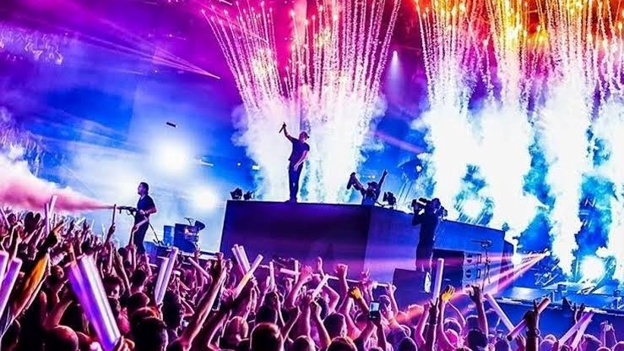
The simplest answer is people. Asia is home to a huge, young, digitally connected population with growing disposable income. These fans grew up streaming everything, from K-pop and Bollywood playlists to indie rock and electronic music, so their tastes are wide and their loyalty runs deep. Live events have become the place where that online passion turns into something real. After the pandemic years, there was also a lot of pent-up demand. People wanted to be in a crowd again, singing along with strangers. Promoters noticed, and so did governments, which now see festivals as a way to boost tourism and put their cities on the global map.
Stadium Tours and Ticketing Chaos
If you want proof of the appetite, look at how ticket sales now behave. When major international acts announced Asian dates in recent years, booking platforms were flooded within minutes. Fans waited in virtual queues that stretched into the hundreds of thousands, and some shows sold out almost instantly. Coldplay's India shows in early 2025 and the sold-out Singapore run of Taylor Swift's Eras Tour in 2024 became talking points far beyond the music pages.
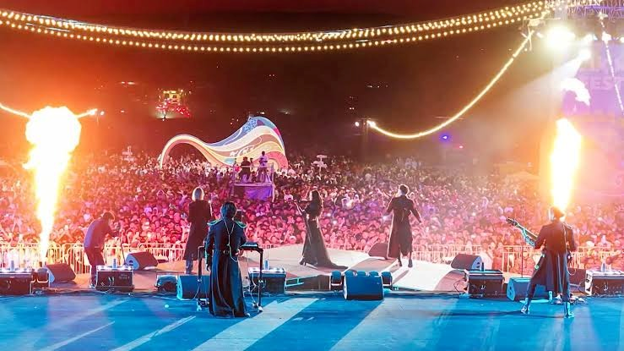
Indian artists are drawing the same energy at home. Diljit Dosanjh's tour packed arenas and stadiums and showed that homegrown stars can fill venues once reserved for Western headliners. These aren't flukes. They signal a market that's matured.
Homegrown Festivals Are Holding Their Own
It would be a mistake to think the story is only about visiting superstars. Asia's own festivals have built serious reputations.
• Japan: Fuji Rock and Summer Sonic have been staples for decades, loved for their lineups and famously polite, tidy crowds.
• Hong Kong: Clockenflap brings together indie, pop, and electronic acts against a stunning harbour backdrop.
• India: Sunburn in Goa helped put the country on the electronic music map, while NH7 Weekender championed independent artists. Lollapalooza's arrival in Mumbai showed that global festival brands now see India as a real market.
• Singapore and Southeast Asia: Events like ZoukOut and a growing number of regional festivals draw travellers from all over the world.
• South Korea: Summer festivals like Waterbomb mix music with the kind of interactive, high-energy fun that social media loves.
What ties these together is confidence. Organisers aren't copying Western festivals anymore. They're blending local food, art, fashion, and language into something with its own identity.

Culture Is Part of the Show
The biggest shift may be that "music festival" no longer means just music. Many Asian events now sit somewhere between concerts, cultural fairs, and travel experiences. You'll find traditional performing arts sharing space with DJs, street food that's become a headline attraction, and art installations built for the camera. K-pop deserves a special mention here. Its global reach has changed how audiences think about language and performance. Fans travel across borders for fan meetings and showcases, learn choreography together, and swap cultural references online. That kind of passion creates a ready-made audience for any event that gets the experience right.
The Economic Ripple Effect
Big festivals don't just fill stadiums. They fill hotels, restaurants, taxis, and shops. When a major event comes to town, local businesses often feel it for days, sometimes weeks. Cities have started planning around this. Some are improving transport links, upgrading venues, and streamlining visa and entry processes to attract festival tourists. Others are using events to promote lesser-known destinations. For regions that rely on tourism, a well-run festival can be a powerful marketing tool.
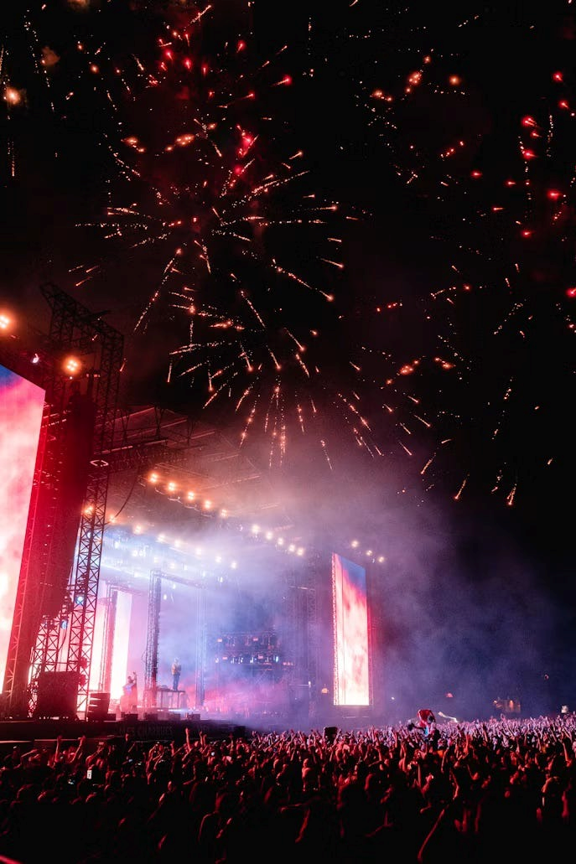
There's a creative economy angle too. Sound engineers, stage designers, photographers, volunteers, and local vendors all find work. For young artists, a festival slot can be the break that changes everything.
Technology Is Changing the Experience
Festival organisers are leaning hard on technology. Cashless wristbands, app-based schedules, and live-streamed sets let people take part even if they can't be there. Some events experiment with augmented reality and immersive visuals, which suit Asia's mobile-first audiences perfectly. Ticketing is also evolving. After high-profile chaos around sales, platforms are investing in better queue systems, fraud protection, and clearer pricing. It's a work in progress, but the pressure from fans is pushing things in the right direction.
The Challenges Nobody Should Ignore
It isn't all smooth sailing, and an honest look at the boom has to include the bumps. Ticket prices can feel out of reach for many fans, especially when resale markets inflate costs. Crowd management has to keep pace with growing audiences, since safety can't be an afterthought. Weather is another factor, with monsoons and heat waves forcing last-minute changes. And there's the environmental footprint, as large events generate plenty of waste and energy demand. The better festivals are responding with reusable cups, waste-sorting systems, renewable power, and public transport partnerships. It's encouraging, though there's plenty of room to do more.
What Comes Next?
Expect more of everything. More international tours will treat Asia as a core market rather than an add-on. More local artists will headline big stages. And more cross-border collaborations will blur the lines between genres and traditions. We're also likely to see smaller, niche festivals thrive alongside the giants, covering everything from jazz and folk to experimental electronic music. For fans, that means more choice. For the industry, it means a healthier, more diverse ecosystem. Asia's festival boom isn't a passing trend. It's the result of a young population, a hunger for shared experiences, smarter organisation, and a growing pride in local culture. The records being broken, whether in attendance, ticket demand, or sheer buzz, are signs of a bigger shift in where the world's live entertainment energy is heading. If you've been waiting for the right moment to experience it yourself, the festival season across Asia has never offered more.
Frequently Asked Questions
1. Which Asian countries host the biggest music festivals?
Japan, India, South Korea, Hong Kong, and Singapore lead the pack. Japan's Fuji Rock and Summer Sonic are long-running favourites, while India's Sunburn and Lollapalooza Mumbai and Hong Kong's Clockenflap draw large international crowds.
2. Why are international artists adding more Asian tour dates?
Because the demand is undeniable. Asia has a young, streaming-first audience that turns up in huge numbers and often sells out shows within minutes. For many artists, skipping the region now means leaving serious money and fan love on the table.
3. How is K-pop influencing Asia's festival culture?
K-pop has made live events more interactive and fan-driven. Audiences travel for showcases, learn choreography together, and share the experience online, which pushes organisers to focus on spectacle, community, and cultural exchange rather than just the music.
4. Are Asian music festivals good for tourism?
Absolutely. Big events fill hotels, restaurants, and transport services, and many cities use festivals to promote lesser-known destinations. Governments have also started improving venues, transport links, and entry processes to attract festival travellers.
5. How can fans avoid ticketing chaos for popular concerts?
Create an account on the official booking platform in advance, keep your payment details ready, and join the queue early. Stick to authorised sellers only, since resale sites can inflate prices and fake tickets are a real risk.
Latest Posts