

Putin Threatens to Seize European Ships Over Russian Tanker Detentions
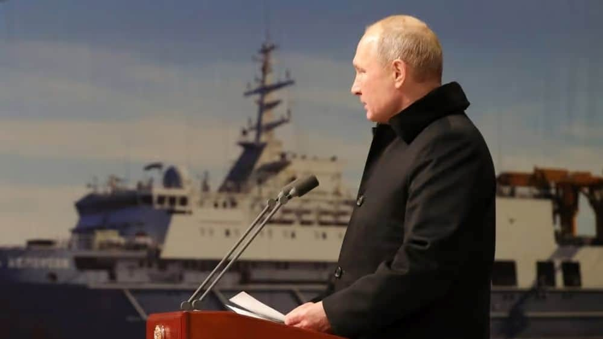
Speaking aboard a Russian cruiser during naval drills in the Far East on August 12, Putin called the European plans "piracy and robbery" and said Moscow's response wouldn't necessarily be limited to the waters where Russian ships get detained — it could happen anywhere, including the Pacific. It's the sharpest escalation yet in a standoff that's been building for months over how the West handles Russia's sanctions-evading oil fleet.
What Actually Happened
Putin made the threat while visiting naval personnel aboard the missile cruiser Varyag off Sakhalin Island, where Russia's navy was running drills. He argued that certain governments are violating international maritime law by trying to restrict the movement of vessels linked to Russian economic operators, and said the idea of seizing those ships and selling their cargo amounts to state-sanctioned theft dressed up as policy.
If European countries actually go through with it, he said, Russia would respond in kind — and not necessarily in the same waters where the original seizures happen. He specifically name-checked the Pacific as a possible theater, a notable detail given that most of the tension so far has played out in European and Baltic waters, not Asia.
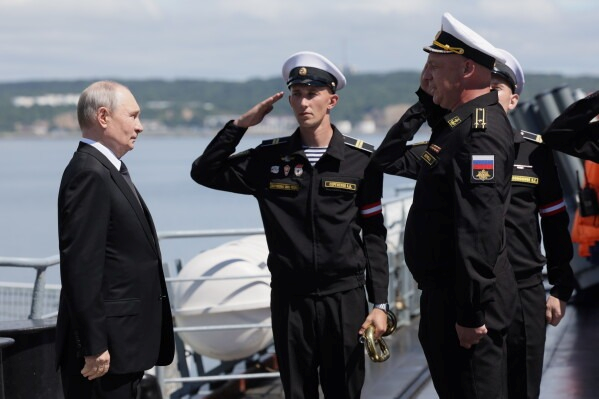
Backing up the threat with something more concrete, Pacific Fleet Commander Admiral Viktor Liina told Putin that Russian forces have already run a detailed analysis of maritime traffic moving through the region. According to Liina, more than a thousand vessels passed through Russia's exclusive economic zone near the Kuril Islands between late April and early August, over a third of them flying flags of countries Moscow considers unfriendly. He said the navy is ready to begin inspecting and detaining ships linked to those nations.
Why This Is Happening Now: The Shadow Fleet Problem
To understand the threat, you need to understand what Russia's "shadow fleet" actually is. Since the invasion of Ukraine in 2022 triggered sweeping Western sanctions, Russia has leaned on a large, loosely organized network of tankers — often older vessels with murky ownership structures and flags of convenience — to keep exporting oil despite price caps and restrictions. Estimates of the fleet's size vary, but some reports put the number as high as a thousand ships.
European countries have moved from monitoring these vessels to actually intercepting them. Since late 2024, France, Belgium, Sweden and the UK have boarded or detained tankers suspected of shadow fleet activity, often citing suspicious flag registrations or safety violations as justification. The UK, for instance, has held the tanker Smyrtos — sailing under a Cameroonian flag and carrying more than 100,000 metric tons of oil — since mid-June.
What changed the stakes recently is a policy shift, not just enforcement activity. In July 2026, the European Union adopted its 21st sanctions package, which pushed the list of designated shadow fleet vessels above 670 and, more importantly, gave member states a new tool: the ability to sell off oil, grain, or other cargo seized from these ships rather than just holding the vessels in port. That turns interceptions from a temporary inconvenience into a genuine financial cost for Russia's sanctions-evasion network, which is almost certainly why Moscow's response escalated from grumbling to an explicit threat.
The Legal Argument Underneath the Standoff Russia's position rests on freedom of navigation principles under the UN Convention on the Law of the Sea, arguing that commercial vessels — even ones with opaque ownership or flying third-country flags — remain protected from this kind of interference on the high seas. European governments, for their part, argue they're enforcing legitimate sanctions against ships actively helping Russia evade them, not engaging in random piracy.
Both sides are, in effect, accusing the other of the same thing: using a thin legal justification to seize property that isn't theirs. Whether Russia can actually operationalize large-scale commercial seizures without triggering a genuine naval confrontation with a European or NATO-aligned power is very much an open question, and one that hasn't been tested yet.
This Isn't Coming Out of Nowhere
This isn't the first time Moscow has floated this kind of retaliation. Back in February, Kremlin aide Nikolai Patrushev suggested Russia might deploy its navy to prevent Western seizures and could retaliate against European shipping if Russian vessels were taken, specifically pointing to Britain, France, and the Baltic states as targets for a tougher response. Putin's comments this week take that earlier warning and turn it into something closer to an explicit, publicly stated policy.
There's also been at least one incident that suggests this tension isn't purely rhetorical. In June, a Russian frigate reportedly fired warning shots toward a civilian British yacht in the English Channel, just days after the UK detained the Smyrtos — a reminder that these disputes aren't confined to diplomatic statements and court paperwork.
What Happens Next
The immediate question is whether European governments treat Putin's threat as bluster meant to deter further seizures, or as a genuine signal that Russia intends to start detaining European-flagged or European-owned vessels in retaliation. Given that Putin explicitly tied the Defense Ministry into preparing a response, and that Russia's Pacific Fleet commander described existing coordination and route analysis already underway, there's at least some indication this isn't purely theatrical.
For now, the EU's sanctions mechanism and its expanded vessel list remain in place, and there's no public sign European governments plan to back off the shadow fleet crackdown. That sets up a genuine test of resolve on both sides — one where the cost of escalation, and the cost of backing down, are both real.
Latest Posts