

Political Unrest in Iran What's Really Driving the Crisis
How the Current Uprising Evolved and Progressed
At the heart of the eruption was an initial call for greater economic equity, but after the Iranian rial hit an all-time low and skyrocketed inflation impacted food and produced homelessness and food scarcity.
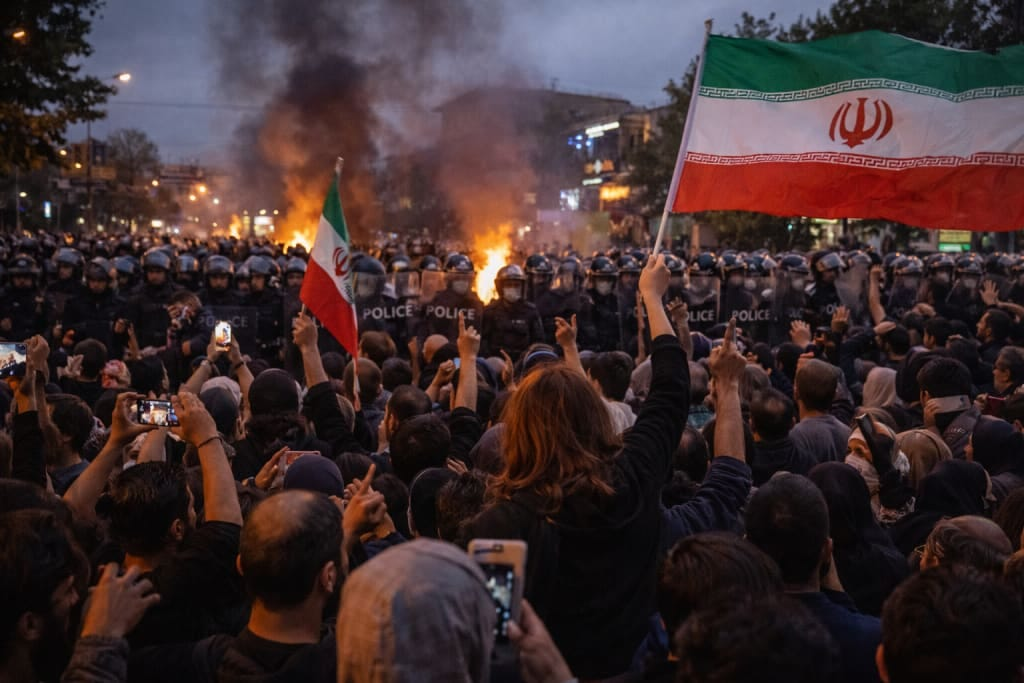
Tehrani merchants went on strike during December of 2025 to voice their growing frustration against the injustices that had been forced upon them. The uprising started with protests concerning economic prices but quickly became geographically widespread within all provinces to include students, pensioners, and workers who were also frustrated with the system not working for them.
The strikes by the bazaar merchants and subsequent events gradually shifted from the economic issues to direct calls for a much greater change in the political systems. This transition from a focus on economic issues to calling for fundamental change, is why many analysts have labelled the current protests as the most serious challenge to the Iranian regime in many years.
Factors Contributing to Political Unrest in Iran
There is not just one reason behind the political unrest in Iran, there are many reasons that have existed over many years. The main reasons are:
1. Severe Economic Crises:
- The long-term impact of international sanctions, primarily related to oil, has significantly reduced the state revenue and created extreme hardships for the average Iranian who has less purchasing power than before.
- Corruption and mismanagement have been detrimental to Iran's overall economy. It has led to many sanctions profiteers being close to the government while ordinary Iranians are struggling to afford the basic necessities.
- The high rate of youth unemployment, non-payment of workers' wages and persistent energy blackouts, have shattered any credibility of the Iranian government, to provide dignified living conditions for its citizens.
2. Political Repression and Broken Promises:
- The current political unrest is an outcome of previous waves of civil discontent like the 1999 student protests, The 2009 Green Movement etc. During these protests, participants demanded increased freedoms, accountability from their government and the implementation of real political reforms. Each time, however, the Iranian government responded to demonstrators with widespread arrests and censorship which led to an increase in executions.
- Between 2022-2025, it has been reported that the number of executions has more than doubled as compared to preceding years, signalling that any acts of dissent can be met with fear and intimidation rather than meaningful dialogue.
3. Foreign Policies v/s Domestic needs
Iran's foreign policy and foreign expenditure are some of the many grievances protesters have against their government. A common phrase protesters chant is, "Neither Gaza nor Lebanon, my life for Iran." This statement illustrates how billions of dollars are spent on supporting Iranian regional allies, such as Hezbollah and Hamas, while social services within Iran are not receiving the necessary support and are crumbling.
This divergence between government priorities and the daily life of Iranians has become one of many emotional motivators behind the ongoing protests and political instability in Iran.
How the protests are unfolding
- Iran's current protests are leaderless, making them less easy to suppress, but also difficult to negotiate with. Since the beginning of the protests, demonstrations have occurred in all 31 provinces of the country, including all major cities (Tehran and Isfahan) as well as smaller cities (like Qeshm Island).
- Individuals from all walks of life have participated in the protests at various times. Co-ordination of protests has occurred despite the Iranian government putting severe limits on mobile phone communication and internet access to suppress protest activity.
- Security forces have primarily used live ammunition, tear gas, and mass arrest as an effective means of suppressing protests. Additionally, human rights organizations have reported that during only a few days there have been thousands of protests and at least dozens of deaths or serious injury.
- Opposition figures, such as Reza Pahlavi, have been calling for continued demonstrations in hopes of peacefully transitioning Iran into a more democratic governing system by means of a referendum.
Impact of Iran's Political Instability
The impact stretches far beyond the streets.
1. Economic Shock and Investment Apathy
Protests and severe crackdowns hamper the market's operation, close businesses and inhibit production, placing additional pressures on an economy that was already teetering on the brink of collapse. As a result, both businesses and investors are faced with greater risks, and they are delaying decisions, decreasing their investments, or completely withdrawing from the Iranian market, resulting in even fewer jobs and lower potential economic growth.
2. Regional and Geopolitical Effects
When Iran is unstable internally, this affects Iran's ability to project influence abroad. This can cause regional neighbours and worldwide powers to reassess their security, energy and diplomatic positioning. This uncertainty creates a ripple effect through all aspects of life in the region, from oil prices to nuclear negotiations.
3. Social Trust and Future Generations
Iran's repeated cycles of protests and repression have eroded trust between ordinary citizens and the Iranian state. The newest generation of Iranians has a sense of political alienation while simultaneously being highly connected with other members of their generation through social media, which creates the potential for ongoing agitation and long-term social change.
Looking Ahead
Iran finds itself at a precarious time in history: economic hardships are escalating, regional hostilities remain elevated, and there is a growing dissatisfaction among the Iranian people. With every protest cycle, the public loses faith in the government; the critical issue will not only be whether there will be more Uprisings in the future (of that there is little doubt), but whether those in authority will implement true reform or continue using oppressive measures against protesters and quickly.
Latest Posts